4.7/5
4.7/5



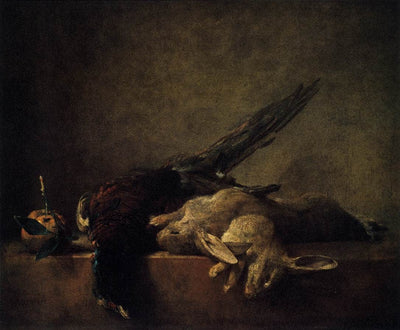
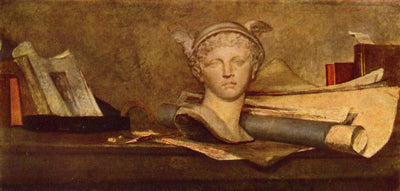
SAMPLES OF QUALITY
Recent Hand-Painted Reproductions
Discover some of our latest oil paintings, each one carefully hand-painted on canvas.

AS SEEN IN


Handmade Oil Painting on Canvas Art Reproduction, Museum-quality
Original size: the exact size Jean-Baptiste-Simeon Chardin painted it, as it hangs in the Palais des Beaux-Arts de Lille.
Not the size you want? Type your width and height and we'll paint it to fit, 12 to 80 in (30 to 203 cm) per side.

The six dominant colors measured from the painting, with the share of canvas each one covers. Click a swatch to copy its hex code.
Processing & Shipping Time
Your delivery time includes two parts:
Shipping Methods
We ship with trusted couriers like FedEx, UPS, and DHL. Every shipment includes a tracking code.
Our goal is to deliver your order safely and quickly.
Shipment Safety Measures
We handle your products with care so they arrive in perfect condition:
Every product is insured and delivered right to your door, so you can feel confident buying from us.
Every Art & See painting is created by artists with 15+ years of experience using professional-grade oil paints and premium linen canvas with UV-resistant protective coating, the same museum-grade materials used in galleries worldwide. Each piece goes through quality review before your approval photos are taken. If after delivery you have any concerns about your painting, contact us at [email protected] and our team will work with you on the best path forward.
Full Warranty
Every painting is protected against physical damage during shipping. If your painting arrives damaged, we repair or replace it, free of charge.
Coverage Details
Transit damage (crushed, torn, water damage): we repair or replace at no cost. Please note that damages resulting from accidents or inappropriate use are not covered under this warranty.
Repair or Replace
Depending on the extent of damage, the affected painting will either be repaired or replaced at no additional cost to you.
Free Service
All warranty services are provided absolutely free of charge.
We want you to absolutely love your handmade artwork. Here's how it works:
In the rare case you approve the photos and the artwork has been shipped and delivered to you, and you still want additional modification requests, we can handle it as a courtesy at our discretion. If accepted, you cover the return shipping cost.
| Type | Hand-Painted Oil Painting Reproduction |
| Original Artist | Jean-Baptiste-Simeon Chardin |
| Price Range | $350 to $1,150 |
| Shipping | Free Worldwide |
| Quality | Preview & Approve Before Shipping |
| Medium | Oil on Canvas |
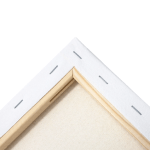
| Canvas | Museum-Grade Linen Canvas |
| Technique | Hand-painted brushstroke-by-brushstroke |
| Art Style | Baroque |
| Artist Nationality | French |
| Orientation | Vertical |
| Subject | Photography, Religion, Still life, Still life bottle, Still life tableware |
| Available Sizes | 7 (16'' W × 20'' H to 52'' W × 65'' H, including the original size), plus custom sizes |
| Framing Options | Unframed, Stretched Canvas, Classic & Modern Frames |
| Delivery | 14–28 business days |
| Size | 64.5 × 81 cm (25.5 × 32 in) |
| Year | 1730 |
| Collection | Palais des Beaux-Arts de Lille, Lille |
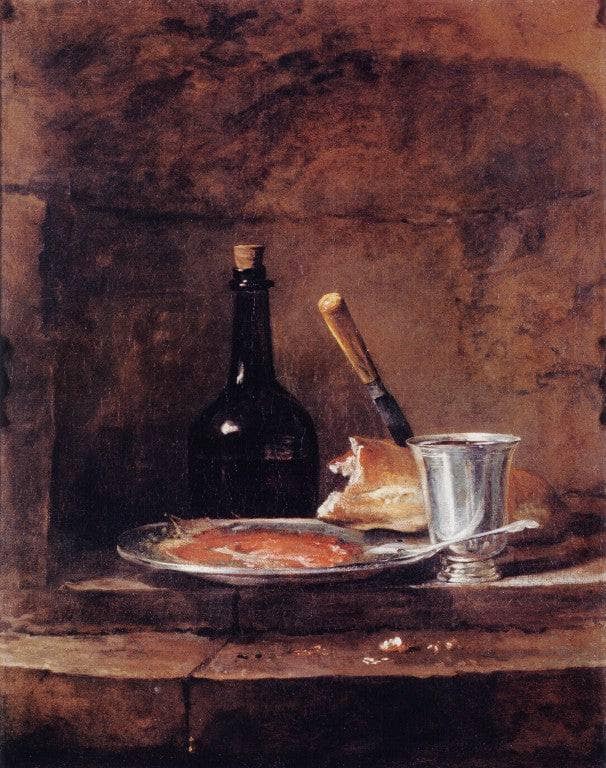
Jean-Baptiste-Simeon Chardin's "The Leftovers of a Lunch," also known as "The Silver Goblet," showcases his exceptional oil painting technique. Chardin's brushwork is delicate yet deliberate, creating a rich texture that brings the scene to life. His color palette features warm earth tones, soft whites, and muted greens, which harmonize beautifully to evoke a sense of tranquility.
Chardin's mastery of light is evident in the way he captures reflections on the silver goblet and the subtle sheen of the food. This attention to detail enhances the realism of the painting, inviting viewers to appreciate the beauty in everyday objects.
The composition of "The Leftovers of a Lunch" is a study in balance and harmony. Chardin skillfully arranges the elements—a silver goblet, a plate of food, and a cloth—creating a pleasing visual flow. The placement of these objects draws the eye across the canvas, encouraging viewers to explore each detail.
This arrangement reflects Chardin's belief in the beauty of simplicity. By focusing on ordinary items, he elevates them to the status of art, inviting contemplation of their significance in daily life.
In 18th century France, food was not just sustenance; it symbolized social status and wealth. Chardin's choice of items in "The Leftovers of a Lunch" reflects the culinary tastes of the bourgeoisie. The silver goblet, a sign of affluence, contrasts with the humble leftovers, suggesting a narrative of abundance and waste.
This juxtaposition invites viewers to reflect on the relationship between consumption and social identity, making the painting a commentary on the era's values.
Chardin's use of light and shadow adds depth to "The Leftovers of a Lunch." The soft illumination highlights the textures of the food and the gleam of the silver, creating a three-dimensional effect. This interplay of light and shadow not only enhances the visual appeal but also imbues the painting with a sense of life and movement.
By mastering chiaroscuro, Chardin draws attention to the subtleties of everyday life, encouraging viewers to find beauty in the mundane.
Jean-Baptiste-Simeon Chardin was a pivotal figure in the Rococo movement, known for his still life and genre paintings. His work diverged from the ornate styles of his contemporaries, focusing instead on realism and the beauty of everyday life. Chardin's influence extended beyond his time, shaping the direction of modern still life painting.
His ability to capture the essence of domestic life resonated with audiences, making him a beloved artist in both his era and in subsequent generations.
Chardin drew inspiration from the Dutch masters of still life, such as Willem Claesz Heda and Pieter Claesz. Their meticulous attention to detail and use of light influenced Chardin's approach to composition and subject matter. He adopted their techniques while infusing his own unique perspective, resulting in a style that celebrated the beauty of simplicity.
This blend of influences allowed Chardin to create works that were both timeless and innovative, bridging the gap between the past and the future of art.
"The Leftovers of a Lunch" stands as a testament to Chardin's impact on modern still life painting. His focus on everyday objects and the emotional resonance they carry paved the way for future artists to explore similar themes. Chardin's work encouraged a deeper appreciation for the ordinary, inspiring generations to find beauty in the commonplace.
His legacy is evident in the works of later artists who embraced realism and the exploration of domestic life.
Many contemporary artists cite Chardin as a significant influence on their work. His techniques, particularly his use of light and texture, continue to inspire modern still life painters. Artists today often seek to replicate the emotional depth and simplicity that Chardin masterfully conveyed in his paintings.
This ongoing inspiration highlights the timeless nature of Chardin's art and its relevance in today's artistic landscape.
Viewing "The Leftovers of a Lunch" evokes a sense of nostalgia and reflection. The painting invites viewers to pause and appreciate the beauty of everyday moments. The serene arrangement of objects encourages contemplation of our own lives and the simple pleasures that often go unnoticed.
Chardin's ability to evoke emotion through still life is a hallmark of his genius, making this painting a profound experience for all who encounter it.
The original "The Leftovers of a Lunch" is housed in the prestigious collection of the Louvre Museum in Paris. This iconic institution offers visitors the chance to experience Chardin's masterpiece up close. The museum's rich history and stunning architecture provide a fitting backdrop for such an important work of art.
For art lovers, visiting the Louvre is an opportunity to connect with Chardin's legacy and appreciate the beauty of his creations in person.
"The Leftovers of a Lunch" is significant for its reflection of 18th-century French culture, particularly the social dynamics surrounding food and status. It showcases Chardin's unique approach to still life, emphasizing realism and emotional depth.
Chardin employed oil painting techniques, utilizing a rich color palette and masterful brushwork. His use of light and shadow creates depth, while his composition highlights the beauty of everyday objects.
The painting reflects the culinary practices and social hierarchies of 18th-century France. The choice of food items and the elegant silver goblet symbolize wealth and the bourgeois lifestyle of the time.
Chardin's still life paintings often explore themes of simplicity, beauty in the mundane, and the emotional resonance of everyday objects. His work invites viewers to appreciate the ordinary aspects of life.
For more information about Jean-Baptiste-Simeon Chardin, consider visiting art history websites, museum collections, and books dedicated to his life and work. The Louvre Museum's website also offers valuable insights into his masterpieces.
When purchasing a reproduction of "The Leftovers of a Lunch," consider the quality of the reproduction. Look for high-quality painting reproductions, as they capture the texture and depth of the original oil painting far better than standard prints. Pay attention to the materials used and the artist's attention to detail.
To display a reproduction of "The Leftovers of a Lunch," choose a prominent location where it can be appreciated. Consider framing it in a style that complements your decor. Placing it in a well-lit area will enhance the colors and details, allowing the beauty of Chardin's work to shine in your home.

Discover some of our latest oil paintings, each one carefully hand-painted on canvas.
At Art & See, we're committed to delivering the highest quality art reproductions. Our team of expert artists and state-of-the-art processes ensure that each piece is a masterpiece in its own right.

Experience your masterpiece's creation through daily photos from our expert artists, each with 15+ years of experience.

Your artwork travels first class via UPS, FedEx, or DHL, protected by museum-grade packaging for safe delivery.

Review unedited photos of your finished painting and request unlimited free revisions before it ships. We only ship when you say it's perfect.

Every piece is crafted with archival materials, UV-resistant finishes, and premium British paints to last generations.
Yes, 100% hand-painted with oil on canvas by artists with 15+ years of experience. No prints, no digital shortcuts. You'll see and feel real brushstrokes, just like the original Jean-Baptiste-Simeon Chardin masterpiece.
Your The Leftovers of a Lunch, also called the Silver Goblet reproduction takes 2–5 weeks to hand-paint depending on size and detail. Once approved, shipping takes 5–8 days via FedEx, UPS, or DHL with full tracking. Free worldwide shipping included.
Absolutely. Once your The Leftovers of a Lunch, also called the Silver Goblet is complete, we send you unedited photos, a full view and close-up details. Request unlimited free revisions until you're 100% satisfied. We don't ship until you say "yes."
Every painting goes through our Preview & Approve process: you receive unedited photos of your finished Jean-Baptiste-Simeon Chardin reproduction and can request unlimited free revisions before it ships. We only ship when you say it's perfect. If after delivery you have any concerns, contact us at [email protected] and our team will work with you on the best path forward.
Professional-grade oil paints (Windsor & Newton) on premium linen canvas with UV-resistant protective coating. Museum-grade materials built to last generations, the same quality used in galleries worldwide.
Our artists specialize in Jean-Baptiste-Simeon Chardin's technique: color accuracy, brushwork, and composition are matched to the original. Every reproduction goes through quality review before your approval photos are taken.
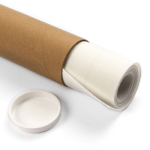
Every painting is insured and delivered door-to-door. Unframed paintings ship in protective hard tubes. Framed paintings are bubble-wrapped in sturdy boxes. If anything arrives damaged, we repair or replace it free.
Dive into the vibrant world of Historic Art. Discover your next painting today.