


The Betrothal of Raphael and the Niece of Cardinal Bibbiena: An Artistic Masterpiece
Historical Context of Ingres' Work
Renaissance Influence on Jean Auguste Dominique Ingres
Jean Auguste Dominique Ingres, a prominent French painter, drew significant inspiration from the
Renaissance. His works often reflect the ideals of beauty and harmony that characterized this transformative period in art history. Ingres admired the great masters, particularly
Raphael, whose influence is evident in his meticulous attention to detail and composition. This admiration is especially pronounced in "The Betrothal of Raphael and the Niece of Cardinal Bibbiena," where Ingres pays homage to the Renaissance's rich artistic legacy.
The Role of Cardinal Bibbiena in the Art World
Cardinal Bibbiena, a key figure in the art world of the Renaissance, was not only a patron but also a significant influence on artists of his time. He was known for his support of Raphael and other notable artists, helping to shape the cultural landscape of the era. Ingres' choice to depict Bibbiena's niece in this painting highlights the intersection of art,
religion, and familial ties during the Renaissance, showcasing the importance of patronage in the creation of art.
Significance of Raphael in the Renaissance Era
Raphael, one of the most celebrated artists of the Renaissance, is renowned for his masterful compositions and serene beauty. His works, characterized by clarity and grace, have left a lasting impact on the art world. Ingres' portrayal of Raphael in this painting not only honors the artist's legacy but also reflects the ideals of love and commitment that were central to Renaissance values.
Visual Analysis of The Betrothal of Raphael
Composition and Color Palette: A Study in Harmony
The composition of "The Betrothal of Raphael" is a striking example of balance and symmetry. Ingres employs a harmonious color palette, featuring soft pastels and rich earth tones that evoke a sense of warmth and intimacy. The careful arrangement of figures draws the viewer's eye, creating a narrative flow that enhances the emotional depth of the scene.
Figures and Symbolism: Understanding the Characters
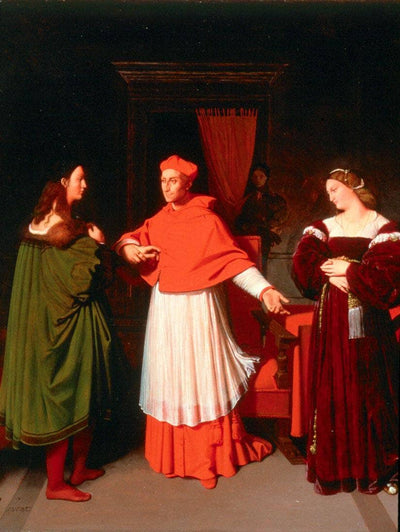
In this painting, Ingres presents a rich tapestry of characters, each imbued with symbolic meaning. The central figures, Raphael and the niece of Cardinal Bibbiena, embody love and devotion. The presence of other figures, such as the Cardinal himself, adds layers of meaning, suggesting themes of familial duty and societal expectations. The intricate details of their attire further emphasize their status and the cultural context of the time.
Light and Shadow: Techniques Employed by Ingres
Ingres masterfully uses light and shadow to create depth and dimension in "The Betrothal of Raphael." His technique of chiaroscuro enhances the three-dimensionality of the figures, making them appear lifelike. The soft illumination highlights the delicate features of the characters, drawing attention to their expressions and emotions.
Artistic Techniques and Styles of Ingres
Neoclassicism vs. Romanticism: Ingres' Unique Position
Ingres occupies a unique position between
Neoclassicism and
Romanticism. His adherence to classical forms and ideals is evident in the structured composition and idealized figures of "The Betrothal of Raphael." However, his emotional depth and sensitivity to human experience also reflect Romantic influences, making his work a
bridge between these two significant art movements.
Brushwork and Texture: The Signature of Ingres
The brushwork in "The Betrothal of Raphael" showcases Ingres' meticulous attention to detail. His smooth, refined technique creates a sense of texture that brings the fabric of the characters' clothing to life. This level of detail is a hallmark of Ingres' style, setting his work apart from that of his contemporaries.
Emotional Expression in Portraiture: A Closer Look
Ingres' ability to convey emotional expression in portraiture is particularly evident in this painting. The subtle gestures and facial expressions of the figures communicate a profound sense of love and commitment. This emotional resonance invites viewers to connect with the characters on a personal level, enhancing the painting's impact.
Thematic Elements in The Betrothal of Raphael
Love and Commitment: The Central Themes Explored
At its core, "The Betrothal of Raphael" explores themes of love and commitment. The intimate moment captured in the painting reflects the deep bond between the central figures. Ingres emphasizes the significance of these themes, suggesting that love transcends societal boundaries and expectations.
Religious Undertones: The Influence of Faith
Religious undertones permeate the painting, reflecting the influence of faith during the Renaissance. The presence of Cardinal Bibbiena adds a layer of spiritual significance, suggesting that the act of betrothal is not only a personal commitment but also a sacred union. This connection to faith enriches the narrative and highlights the cultural values of the time.
Gender Roles and Representation in the Painting
Ingres' portrayal of gender roles in "The Betrothal of Raphael" invites discussion about representation in art. The female figure, the niece of Cardinal Bibbiena, is depicted with grace and dignity, challenging traditional notions of femininity. This nuanced representation reflects the evolving roles of women in society and art during the 19th century.
Comparative Analysis with Other Works by Ingres
Similarities with La Grande Odalisque
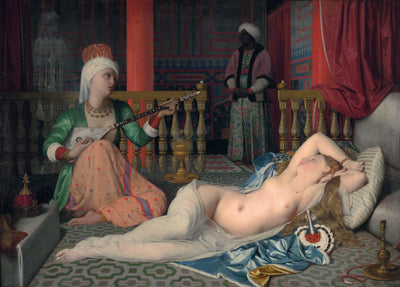
"The Betrothal of Raphael" shares similarities with Ingres' famous work "La Grande Odalisque." Both paintings exhibit Ingres' signature style, characterized by elongated forms and a focus on sensuality. The exploration of the female figure in both works highlights Ingres' fascination with beauty and the human form.
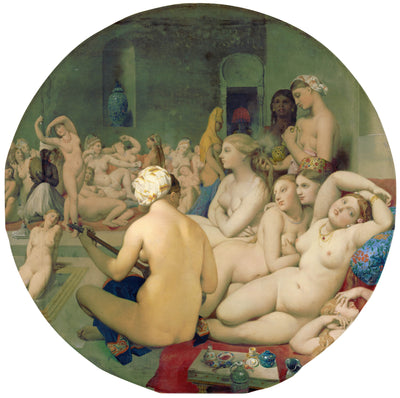
Contrasts with The Turkish Bath: A Study in Diversity
In contrast to "The Turkish Bath," "The Betrothal of Raphael" presents a more intimate and personal scene. While "The Turkish Bath" explores themes of leisure and sensuality, "The Betrothal" delves into love and commitment. This diversity in subject matter showcases Ingres' versatility as an artist.
Influence of Raphael's Portraits on Ingres' Style
Raphael's influence on Ingres is evident in the composition and character portrayal in "The Betrothal of Raphael." Ingres admired Raphael's ability to capture the essence of his subjects, and this admiration is reflected in his own work. The careful attention to detail and emotional depth in Ingres' painting pays tribute to Raphael's enduring legacy.
Reception and Legacy of The Betrothal of Raphael
Critical Reception at the Time of Unveiling
Upon its unveiling, "The Betrothal of Raphael" received mixed reviews from critics. Some praised Ingres for his technical skill and emotional depth, while others criticized the painting for its idealized portrayal of love. Despite the varied reception, the painting solidified Ingres' reputation as a master of portraiture.
Modern Interpretations and Relevance Today
Today, "The Betrothal of Raphael" continues to resonate with audiences. Modern interpretations highlight the painting's exploration of love, commitment, and gender roles, making it relevant in contemporary discussions about relationships and societal expectations. Ingres' work invites viewers to reflect on the timeless
nature of these themes.
Impact on Future Generations of Artists
Ingres' influence extends beyond his lifetime, impacting future generations of artists. His unique blend of Neoclassicism and Romanticism inspired many, encouraging them to explore emotional expression in their work. "The Betrothal of Raphael" stands as a testament to Ingres' lasting legacy in the art world.
Exploring the Cultural Significance of The Betrothal
Art as a Reflection of Society in the 19th Century
"The Betrothal of Raphael" serves as a reflection of 19th-century society, capturing the values and ideals of the time. The painting's focus on love and commitment mirrors the societal emphasis on marriage and family, highlighting the role of art in shaping cultural narratives.
The Role of Art in Shaping Public Perception of Marriage
Art has the power to shape public perception, and Ingres' painting is no exception. "The Betrothal of Raphael" presents marriage as a sacred and significant union, influencing how society views love and commitment. This portrayal contributes to the ongoing dialogue about the nature of relationships.
Ingres' Contribution to the Narrative of Love in Art
Ingres' work, particularly "The Betrothal of Raphael," contributes significantly to the narrative of love in art. By exploring themes of devotion and commitment, Ingres elevates the portrayal of love to an art form. His ability to capture the emotional essence of relationships continues to inspire artists today.
FAQs about The Betrothal of Raphael
What is the story behind The Betrothal of Raphael?
"The Betrothal of Raphael" depicts a romantic moment between the renowned artist Raphael and the niece of Cardinal Bibbiena. The painting captures the essence of love and commitment, reflecting the cultural values of the Renaissance.
Who are the figures depicted in the painting?
The central figures in the painting are Raphael and the niece of Cardinal Bibbiena. Other characters, including the Cardinal himself, add depth to the narrative, representing themes of love, duty, and societal expectations.
What techniques did Ingres use in this artwork?
Ingres employed techniques such as chiaroscuro to create depth and dimension. His meticulous brushwork and attention to detail enhance the emotional expression of the figures, making them appear lifelike.
How does this painting reflect the values of its time?
"The Betrothal of Raphael" reflects the values of the Renaissance, emphasizing love, commitment, and the importance of familial ties. The painting captures the cultural significance of marriage during this period.
What are the main themes explored in The Betrothal of Raphael?
The main themes in "The Betrothal of Raphael" include love, commitment, and the influence of faith. The painting also explores gender roles and societal expectations, inviting viewers to reflect on these timeless issues.
FAQs about the Painting Reproduction
How can I ensure the quality of the reproduction?
To ensure the quality of your painting reproduction, look for reputable artists or galleries that specialize in high-quality oil painting reproductions. These reproductions capture the essence of the original artwork, offering superior detail and texture compared to standard prints.
What should I consider when displaying the reproduction?
When displaying your reproduction, consider the lighting and placement to enhance its visual impact. Choose a location that allows for optimal viewing and complements the colors and themes of the artwork.
Are there different styles of reproductions available?
Yes, there are various styles of reproductions available, including traditional oil painting reproductions and modern interpretations. Each style offers a unique way to appreciate the original artwork, allowing you to choose one that resonates with your personal taste.