The Artistic Mastery of Ingres: A Deep Dive into The Apotheosis of Homer
Understanding the Historical Context of The Apotheosis of Homer
The Influence of Neoclassicism on Ingres' Work
Jean Auguste Dominique Ingres, a prominent figure in the
Neoclassical movement, created "The Apotheosis of Homer" in 1827. This painting reflects the ideals of Neoclassicism, emphasizing clarity, order, and harmony. Ingres sought to revive the classical traditions of ancient Greece and Rome, showcasing the beauty of the human form and the importance of historical narratives. His work stands as a testament to the values of reason and intellect that defined the era.
Key Historical Figures Represented in the Painting
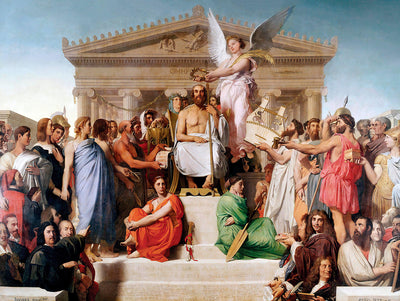
In "The Apotheosis of Homer," Ingres includes notable figures from history and mythology. The central figure, Homer, is surrounded by illustrious poets and philosophers, such as Virgil and Dante. Each character represents a significant contribution to literature and culture, highlighting the reverence for intellectual achievement during the 19th century. This gathering of luminaries emphasizes the interconnectedness of artistic and literary traditions.
The Role of Homer in Ancient Literature and Culture
Homer, often regarded as the father of Western literature, composed epic poems like "The Iliad" and "The Odyssey." His works have influenced countless generations, shaping the foundations of storytelling and narrative structure. Ingres' portrayal of Homer elevates him to a divine status, celebrating his enduring legacy in the literary canon. The painting serves as a tribute to the power of words and the impact of storytelling on human civilization.
Visual Analysis: Composition and Color in The Apotheosis of Homer
Examining the Central Figure of Homer: Symbolism and Significance
Homer's figure dominates the composition, seated on a throne and draped in a flowing robe. His gaze is directed upward, symbolizing inspiration and divine insight. The laurel wreath adorning his head signifies victory and honor, reinforcing his status as a literary giant. Ingres captures the essence of Homer as a timeless figure, embodying the spirit of creativity and intellectual pursuit.
The Use of Color Palette: Emotional and Symbolic Implications
Ingres employs a rich color palette, utilizing deep blues, warm golds, and soft whites to evoke a sense of grandeur. The contrasting colors create a dynamic visual experience, drawing the viewer's eye to the central figure of Homer. The use of light and shadow enhances the three-dimensionality of the characters, adding depth to the narrative. Each hue carries emotional weight, reflecting the themes of inspiration and reverence.
Spatial Arrangement: The Hierarchical Structure of the Composition
The spatial arrangement in "The Apotheosis of Homer" is meticulously crafted. Ingres positions Homer at the apex of the composition, surrounded by a hierarchy of figures that gradually recede into the background. This arrangement emphasizes Homer's importance while also showcasing the collective brilliance of the surrounding poets and muses. The careful organization of space creates a sense of order and balance, hallmarks of Neoclassical art.
Iconography and Symbolism in The Apotheosis of Homer
Decoding the Allegorical Figures Surrounding Homer
The painting features several allegorical figures, including the Muses, who represent the arts and sciences. Each Muse is depicted with distinct attributes, such as the lyre for Calliope, the Muse of epic poetry. These figures symbolize the inspiration that flows from Homer's work, illustrating the interconnectedness of literature and the arts. Ingres masterfully weaves these elements into the narrative, enriching the viewer's understanding of Homer's influence.
The Significance of the Laurel Wreath and Other Symbols
The laurel wreath is a powerful symbol of triumph and achievement, often associated with poets and victors in ancient Greece. In "The Apotheosis of Homer," it signifies Homer's unparalleled contributions to literature. Other symbols, such as the scrolls and books held by the surrounding figures, represent knowledge and the written word. These elements collectively underscore the theme of intellectual legacy and the celebration of artistic excellence.
Interpreting the Divine Elements: Gods and Muses in the Painting
Ingres incorporates divine elements into the composition, with figures representing gods and goddesses from mythology. The presence of these
celestial beings elevates the narrative, suggesting that Homer's genius is divinely inspired. The Muses, as embodiments of creativity, further enhance this notion, illustrating the belief that artistic inspiration comes from a higher power. This interplay between the mortal and divine enriches the painting's thematic depth.
The Technique and Style of Jean Auguste Dominique Ingres
Brushwork and Texture: The Signature Style of Ingres
Ingres is renowned for his meticulous brushwork and attention to detail. In "The Apotheosis of Homer," he employs smooth, precise strokes to create a polished finish. The texture of the fabrics and the lifelike quality of the figures showcase his technical prowess. This level of detail invites viewers to appreciate the craftsmanship behind the artwork, making it a true masterpiece of Neoclassicism.
Comparative Analysis: Ingres vs. Other Neoclassical Artists
While Ingres shares similarities with other Neoclassical artists, such as Jacques-Louis David, his style is distinct. Ingres focuses on the elegance of line and form, often prioritizing beauty over dramatic narrative. His approach contrasts with David's more dynamic compositions. This unique perspective allows Ingres to convey a sense of serenity and contemplation in "The Apotheosis of Homer," setting it apart from his contemporaries.
The Role of Line and Form in Ingres' Artistic Philosophy
Line and form are central to Ingres' artistic philosophy. He believed that the beauty of a painting lies in its structure and clarity. In "The Apotheosis of Homer," the graceful lines of the figures and the harmonious arrangement of the composition exemplify this belief. Ingres' commitment to form enhances the overall aesthetic, creating a visually striking and intellectually engaging work of art.
The Reception and Legacy of The Apotheosis of Homer
Critical Reception at the Time of Unveiling
Upon its unveiling, "The Apotheosis of Homer" received mixed reviews. Some critics praised Ingres for his technical skill and innovative approach, while others found the composition overly static. Despite the varied responses, the painting quickly gained recognition as a significant work within the Neoclassical movement. Its impact on the art world was undeniable, solidifying Ingres' reputation as a master artist.
Influence on Future Generations of Artists
"The Apotheosis of Homer" has influenced countless artists over the years. Its themes of intellectualism and reverence for the past resonate with modern creators. Artists such as Paul Cézanne and Pablo Picasso drew inspiration from Ingres' emphasis on form and structure. The painting's legacy continues to inspire contemporary discussions about the role of art in society and the importance of
cultural heritage.
The Painting's Place in Art History: A Lasting Impact
In art history, "The Apotheosis of Homer" holds a prominent place as a quintessential example of Neoclassical art. It embodies the ideals of the movement while also pushing the boundaries of artistic expression. The painting's exploration of literary themes and its celebration of intellectual achievement have made it a lasting symbol of the power of art. Ingres' work remains a touchstone for understanding the evolution of Western art.
Exploring The Apotheosis of Homer in Modern Culture
References in Literature and Film: Homer's Enduring Legacy
Homer's influence extends beyond the realm of painting into literature and film. His epics have inspired countless adaptations, from modern novels to cinematic interpretations. "The Apotheosis of Homer" serves as a visual reminder of this enduring legacy, connecting contemporary audiences to the ancient world. The painting invites viewers to reflect on the timeless
nature of storytelling and its impact on culture.
The Painting's Role in Contemporary Art Discussions
In
contemporary art discussions, "The Apotheosis of Homer" is often referenced as a pivotal work that
bridges classical and modern artistic ideals. It raises questions about the role of tradition in contemporary art and the importance of historical context. The painting encourages dialogue about the relevance of classical themes in today's society, making it a vital part of ongoing artistic conversations.
Exhibitions and Displays: Where to Experience Ingres' Masterpiece
Art enthusiasts can experience "The Apotheosis of Homer" at the Musée Ingres in Montauban, France. This museum houses a collection of Ingres' works, providing a unique opportunity to appreciate his artistry in person. Additionally, the painting occasionally travels to major exhibitions worldwide, allowing a broader audience to engage with this masterpiece. Viewing the original painting offers a profound connection to Ingres' vision and the historical context of his work.
Frequently Asked Questions about The Apotheosis of Homer
What is the main theme of The Apotheosis of Homer?
The main theme of "The Apotheosis of Homer" is the celebration of literary genius and the enduring impact of storytelling on culture. It highlights the reverence for intellectual achievement and the interconnectedness of art and literature.
Who are the figures depicted alongside Homer in the painting?
The painting features several key figures, including Virgil, Dante, and various Muses. Each character represents significant contributions to literature and the arts, emphasizing the collective legacy of creativity.
What techniques did Ingres use to create this masterpiece?
Ingres employed meticulous brushwork, a rich color palette, and a careful spatial arrangement to create "The Apotheosis of Homer." His focus on line and form enhances the overall aesthetic and clarity of the composition.
How does The Apotheosis of Homer reflect Neoclassical ideals?
The painting reflects Neoclassical ideals through its emphasis on clarity, order, and harmony. Ingres' portrayal of historical figures and the use of classical
symbolism align with the movement's values, celebrating the beauty of the human form and intellectual achievement.
What is the significance of the colors used in the painting?
The colors in "The Apotheosis of Homer" carry emotional and symbolic implications. The deep blues and warm golds evoke a sense of grandeur, while the contrasting hues create a dynamic visual experience that enhances the narrative.
How can I appreciate The Apotheosis of Homer in a modern context?
To appreciate "The Apotheosis of Homer" in a modern context, consider its themes of intellectualism and creativity. Reflect on how Homer's legacy continues to influence contemporary literature and art, and engage with the painting's historical significance.
What should I know about reproductions of The Apotheosis of Homer?
Reproductions of "The Apotheosis of Homer" offer a superior alternative to prints, capturing the intricate details and vibrant colors of Ingres' original work. Investing in a high-quality painting reproduction allows you to experience the beauty and artistry of this masterpiece in your own space, making it a cherished addition to any art collection.
 4.9/5
4.9/5