Discovering the Essence of Noon by Isaac Levitan
Introduction to Isaac Levitan: A Master of Landscape Painting
The Life and Influence of Isaac Levitan
Isaac Levitan, born in 1860 in the small town of Kibarty, was a prominent Russian landscape painter. His early life was marked by hardship, as his family faced financial struggles. Despite these challenges, Levitan's passion for art flourished. He studied at the Moscow School of Painting, Sculpture, and Architecture, where he honed his skills and developed a deep appreciation for
nature. Levitan's work reflects the beauty of the Russian
countryside, capturing its essence with remarkable sensitivity. His influence extends beyond his lifetime, inspiring generations of artists who seek to portray the natural world.
Levitan's Unique Style: Merging Realism and Impressionism
Levitan's artistic style is a captivating blend of
realism and
impressionism. He skillfully captures the fleeting effects of light and atmosphere, creating a sense of immediacy in his landscapes. His brushwork is both delicate and bold, allowing him to convey the intricate details of nature. Levitan's ability to evoke emotion through color and composition sets him apart from his contemporaries. His paintings invite viewers to experience the tranquility and beauty of the natural world, making him a master of landscape art.
Unveiling the Beauty of Noon: A Closer Look at the Painting
Capturing the Tranquility of Nature: The Scene Depicted
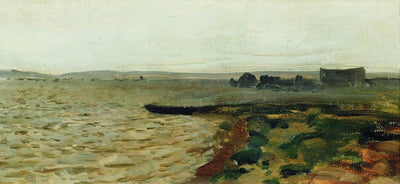
"Noon" is a stunning representation of a serene summer day in the Russian countryside. The painting features a vast expanse of lush greenery, dotted with wildflowers and framed by majestic
trees. A gentle
river meanders through the scene, reflecting the vibrant blue
sky above. Levitan's meticulous attention to detail brings the landscape to life, inviting viewers to immerse themselves in its peaceful ambiance. The composition creates a harmonious balance between land and water, showcasing the beauty of nature in its purest form.
Color Palette and Techniques: The Art of Light and Shadow
Levitan's use of color in "Noon" is both striking and subtle. He employs a rich palette of greens, blues, and yellows to evoke the warmth of the sun and the freshness of the landscape. His innovative techniques, such as layering and glazing, create depth and dimension, allowing light to dance across the canvas. The interplay of light and shadow adds a dynamic quality to the painting, enhancing its realism. This masterful manipulation of color and technique showcases Levitan's exceptional skill as an artist.
Emotional Resonance: What Noon Evokes in the Viewer
The emotional impact of "Noon" is profound. The painting evokes feelings of peace, solitude, and reflection. Viewers often find themselves transported to the tranquil scene, experiencing a sense of calm and connection to nature. Levitan's ability to capture the essence of a moment in time resonates deeply, inviting contemplation and introspection. The painting serves as a reminder of the beauty that exists in the natural world, encouraging viewers to appreciate the simple joys of life.
The Historical Context of Noon: A Reflection of Russian Art
Late 19th Century Russia: The Artistic Landscape
The late 19th century was a transformative period for Russian art. Artists began to break away from traditional academic styles, seeking to express their individuality and connect with the Russian landscape. This era saw the rise of the Peredvizhniki movement, which emphasized realism and social themes. Levitan, as a key figure in this movement, contributed to the shift towards a more personal and emotional approach to landscape painting. His works reflect the changing cultural landscape of Russia during this time.
Levitan's Role in the Peredvizhniki Movement
Levitan was an integral part of the Peredvizhniki, or "Wanderers," a group of artists who sought to bring art to the people. They rejected the constraints of
academic art and focused on depicting the realities of Russian life. Levitan's landscapes, including "Noon," embody the movement's ideals by celebrating the beauty of nature while also reflecting the social and cultural context of the time. His work helped to elevate landscape painting as a respected genre in Russian art.
Nature as a Subject: The Cultural Significance of Landscape Painting
Landscape painting held a special place in Russian culture during the 19th century. It was seen as a way to express national identity and connect with the vastness of the Russian landscape. Artists like Levitan used nature as a subject to explore themes of solitude, beauty, and the passage of time. "Noon" exemplifies this cultural significance, capturing the essence of the Russian countryside and inviting viewers to reflect on their relationship with nature.
Symbolism and Themes in Noon: More Than Just a Landscape
The Symbolism of Light: Daylight as a Metaphor
In "Noon," light plays a crucial role in conveying deeper meanings. The bright daylight symbolizes clarity, hope, and renewal. It illuminates the landscape, revealing the intricate details of the natural world. This use of light serves as a metaphor for enlightenment and understanding, inviting viewers to reflect on their own experiences and perceptions. Levitan's mastery of light transforms the painting into a powerful symbol of optimism.
Nature and Solitude: Exploring Themes of Isolation
The theme of solitude is prevalent in "Noon." The vastness of the landscape creates a sense of isolation, allowing viewers to contemplate their place in the world. Levitan captures the beauty of being alone in nature, suggesting that solitude can lead to self-discovery and reflection. This theme resonates with many, as it reflects the universal human experience of seeking peace and connection with the natural environment.
Transience and Permanence: The Duality of Time in Levitan's Work
Levitan's "Noon" explores the duality of time through its depiction of a moment frozen in time. The painting captures the fleeting beauty of a summer day while also suggesting the permanence of nature. This contrast invites viewers to consider the transient nature of life and the enduring beauty of the natural world. Levitan's ability to convey this complexity adds depth to the painting, making it a thought-provoking work of art.
Comparative Analysis: Noon and Other Iconic Works by Levitan
Contrasting Noon with The Golden Autumn: Seasonal Reflections
When comparing "Noon" to Levitan's "The Golden Autumn," one can see the contrasting themes of summer and autumn. "Noon" embodies the vibrancy and warmth of summer, while "The Golden Autumn" reflects the rich, warm tones of fall. Both paintings showcase Levitan's mastery of color and light, yet they evoke different emotions and atmospheres. This contrast highlights Levitan's versatility as an artist and his ability to capture the essence of each season.
Similarities with The Lake. Evening: Mood and Atmosphere
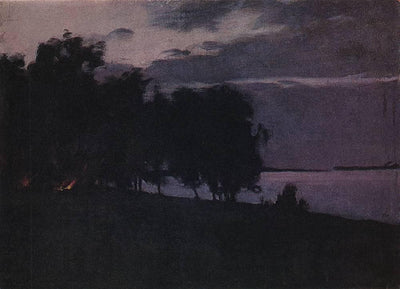
Levitan's "Noon" shares similarities with "The
Lake. Evening" in terms of mood and atmosphere. Both paintings evoke a sense of tranquility and connection to nature. However, "Noon" presents a brighter, more vibrant scene, while "The Lake. Evening" captures the softer, more subdued tones of
dusk. This comparison illustrates Levitan's skill in portraying different times of day and their emotional resonance.
Levitan's Evolution: How Noon Represents a Turning Point
"Noon" marks a significant turning point in Levitan's artistic evolution. It showcases his mastery of light and color, as well as his ability to evoke emotion through landscape painting. This work represents a culmination of his experiences and influences, reflecting his growth as an artist. "Noon" stands as a testament to Levitan's dedication to capturing the beauty of nature and his unique perspective on the world around him.
Experiencing Noon: First-Hand Insights and Interpretations
Visiting the Original: The Atmosphere of the Tretyakov Gallery
Experiencing the original "Noon" at the Tretyakov Gallery in Moscow is a breathtaking experience. The gallery's serene atmosphere allows visitors to fully appreciate Levitan's artistry. The painting's vibrant colors and intricate details come to life in person, inviting viewers to immerse themselves in the tranquil scene. The Tretyakov Gallery, known for its extensive collection of Russian art, provides the perfect backdrop for this masterpiece.
Personal Reflections: What Noon Means to Art Enthusiasts
For many art enthusiasts, "Noon" represents a deep connection to nature and the beauty of the Russian landscape. Viewers often express feelings of peace and nostalgia when gazing at the painting. It serves as a reminder of the simple joys found in the natural world. Levitan's ability to evoke such strong emotions makes "Noon" a cherished work among art lovers.
Artistic Techniques: How to Appreciate Levitan's Craftsmanship
To truly appreciate Levitan's craftsmanship in "Noon," one should focus on his use of color, light, and composition. Notice how he balances the elements of the landscape to create harmony. Pay attention to the way light interacts with the trees and water, creating a sense of depth. Understanding these techniques enhances the viewing experience, allowing one to connect more deeply with Levitan's artistic vision.
FAQs About Noon by Isaac Levitan
What is the story behind the painting Noon?
"Noon" was created during a time when Levitan sought to capture the beauty of the Russian landscape. It reflects his deep appreciation for nature and his desire to convey its tranquility.
How does Noon reflect Levitan's artistic philosophy?
"Noon" embodies Levitan's belief in the power of nature to evoke emotion. His focus on light and atmosphere showcases his commitment to capturing the essence of the natural world.
What emotions does Noon evoke in viewers?
Viewers often feel a sense of peace, solitude, and reflection when gazing at "Noon." The painting invites contemplation and appreciation for the beauty of nature.
How does Noon compare to other landscape paintings of its time?
"Noon" stands out for its innovative use of light and color, setting it apart from other landscape paintings of the late 19th century. Levitan's emotional depth and connection to nature make it a unique work.
What are the key elements that make Noon a masterpiece?
Key elements include Levitan's masterful use of light, his vibrant color palette, and the emotional resonance of the scene. These aspects combine to create a powerful and evocative landscape.
What should I know about the reproduction of Noon?
Reproductions of "Noon" capture the beauty and detail of the original painting. Unlike prints, which can lack depth and texture, high-quality reproductions offer a more authentic experience of Levitan's artistry.
How can I best display a reproduction of Noon in my home?
To best display a reproduction of "Noon," consider placing it in a well-lit area where natural light can enhance its colors. Pair it with complementary decor to create a serene atmosphere that reflects the tranquility of the painting.
 4.9/5
4.9/5