Discovering the Enchantment of House of Marie Louise in Labastide
Henri Martin: The Master Behind the Canvas
A Brief Biography of Henri Martin
Henri Martin, born in 1860 in the picturesque town of Toulouse, France, emerged as a prominent figure in the Post-
Impressionist movement. His artistic journey began at a young age, influenced by the vibrant colors and landscapes of the Midi-Pyrénées region. Martin's dedication to capturing the essence of
nature and human emotion set him apart from his contemporaries. He studied at the École des Beaux-Arts in Paris, where he honed his skills and developed a unique style that blended
Impressionism with a more structured approach.
Artistic Influences and Style Evolution
Throughout his career, Martin drew inspiration from various sources, including the works of
Claude Monet and
Vincent van Gogh. His style evolved from the loose brushwork of Impressionism to a more defined technique that emphasized color and light. Martin's fascination with the interplay of natural light and shadow became a hallmark of his work, allowing him to create depth and atmosphere in his paintings. His travels across France and exposure to different landscapes enriched his artistic vision, leading to the creation of masterpieces like "House of Marie Louise."
Henri Martin's Contribution to Post-Impressionism
As a key figure in the Post-Impressionist movement, Martin contributed significantly to the evolution of
modern art. He embraced the idea of capturing fleeting moments in time, focusing on the emotional impact of color and form. His works often reflect a deep connection to the natural world, showcasing the beauty of
rural life. Martin's legacy continues to inspire artists today, as he paved the way for future generations to explore the boundaries of color and expression.
Unveiling the House of Marie Louise: A Visual Journey
Setting the Scene: Labastide's Serene Landscape
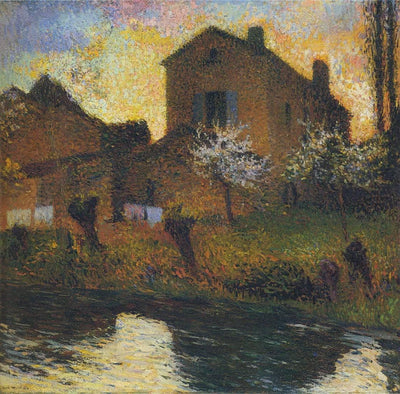
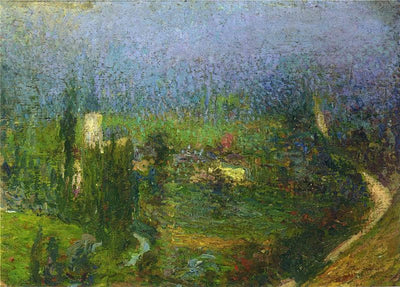
"House of Marie Louise" transports viewers to the tranquil village of Labastide, nestled in the heart of France. The painting captures the idyllic charm of this rural setting, characterized by rolling hills, lush greenery, and a serene atmosphere. Martin's keen eye for detail brings the landscape to life, inviting viewers to immerse themselves in the peaceful surroundings. The soft, dappled light filtering through the
trees enhances the sense of calm, making it a perfect representation of pastoral beauty.
Architectural Details of the House: A Blend of Nature and Design
The focal point of the painting, the House of Marie Louise, showcases a harmonious blend of architecture and nature. With its rustic charm, the house features traditional French design elements, including a sloping roof and wooden shutters. Martin's meticulous attention to detail highlights the textures of the building, from the weathered stone walls to the vibrant
flowers adorning the
garden. This integration of the house within its natural surroundings reflects the artist's appreciation for the relationship between human habitation and the environment.
Color Palette: The Harmony of Earthy Tones and Vibrant Hues
Martin's masterful use of color in "House of Marie Louise" creates a captivating visual experience. The earthy tones of the landscape, combined with vibrant splashes of color from the flowers, evoke a sense of warmth and vitality. The interplay of greens, browns, and blues captures the essence of the French
countryside, while the bright reds and yellows of the garden add a lively contrast. This thoughtful color palette enhances the painting's emotional depth, inviting viewers to feel the tranquility of the scene.
Thematic Elements in House of Marie Louise
Exploring the Concept of Tranquility in Art
At its core, "House of Marie Louise" embodies the theme of tranquility. Martin's portrayal of the serene landscape and the peaceful house invites viewers to pause and reflect. The painting serves as a reminder of the beauty found in simplicity and the importance of finding solace in nature. This theme resonates deeply with audiences, offering a moment of escape from the chaos of modern life.
Nature's Role: The Integration of Flora and Fauna
Nature plays a vital role in "House of Marie Louise." The lush greenery and vibrant flowers not only enhance the visual appeal but also symbolize the harmony between humanity and the natural world. Martin's inclusion of various plant life and the subtle presence of
birds and insects highlight the interconnectedness of all living things. This integration of flora and fauna enriches the narrative of the painting, emphasizing the beauty of coexistence.
Human Presence: The Subtlety of Life in the Painting
While the house stands as the central subject, the subtle hints of human presence add depth to the artwork. The carefully placed figures in the background suggest a life lived in harmony with nature. Their presence, though understated, evokes a sense of community and connection to the land. This delicate balance between human life and the natural environment is a recurring theme in Martin's work, reflecting his belief in the importance of preserving the beauty of rural life.
Artistic Techniques: Brushwork and Composition
Understanding the Use of Light and Shadow
Martin's skillful manipulation of light and shadow is evident in "House of Marie Louise." He employs a technique that captures the changing qualities of light throughout the day. The soft shadows cast by the trees and the warm glow of sunlight create a dynamic interplay that adds depth to the composition. This mastery of light not only enhances the
realism of the scene but also evokes a sense of time and place.
Brushstroke Techniques: Impasto vs. Glazing
In "House of Marie Louise," Martin utilizes a combination of impasto and glazing techniques to achieve texture and luminosity. The thick application of paint in certain areas creates a tactile quality, inviting viewers to engage with the artwork on a sensory level. In contrast, the glazing technique allows for a subtle layering of colors, enhancing the overall richness of the painting. This thoughtful approach to brushwork showcases Martin's technical prowess and artistic vision.
Composition Analysis: Balance and Focus in the Artwork
The composition of "House of Marie Louise" is carefully balanced, drawing the viewer's eye to the house while allowing the surrounding landscape to play a significant role. Martin's strategic placement of elements creates a sense of harmony and unity within the painting. The use of leading lines, such as the path leading to the house, guides the viewer's gaze and invites exploration of the scene. This meticulous attention to composition reflects Martin's understanding of visual storytelling.
The Cultural and Historical Context of the Painting
Labastide in the Late 19th Century: A Snapshot of Life
In the late 19th century, Labastide was a quaint village that epitomized rural French life. The community thrived on agriculture, with
fields of crops and gardens surrounding the homes. This idyllic setting provided a rich backdrop for artists like Henri Martin, who sought to capture the essence of pastoral living. The simplicity and beauty of life in Labastide inspired many of Martin's works, including "House of Marie Louise."
Henri Martin's Artistic Circle: Influences and Collaborations
Martin was part of a vibrant artistic community that included fellow Post-Impressionists and Symbolists. His friendships with artists such as
Paul Signac and
Georges Lemmen influenced his approach to color and composition. Collaborations and discussions within this circle enriched Martin's artistic practice, allowing him to explore new ideas and techniques. This interconnectedness among artists of the time fostered a spirit of innovation that shaped the trajectory of modern art.
The Reception of House of Marie Louise: Critical Acclaim and Legacy
Upon its completion, "House of Marie Louise" received critical acclaim for its emotional depth and technical mastery. Art critics praised Martin's ability to evoke a sense of tranquility and connection to nature. The painting has since become a beloved piece in the art world, celebrated for its timeless beauty. Martin's legacy endures as a testament to the power of art to capture the essence of life and the natural world.
Why House of Marie Louise Remains Timeless
The Emotional Resonance of the Painting
"House of Marie Louise" continues to resonate with viewers due to its emotional depth and serene beauty. The painting evokes feelings of nostalgia and peace, inviting audiences to reflect on their own connections to nature and home. This emotional resonance makes it a cherished piece in both private collections and public exhibitions.
Symbolism and Interpretation: What the Painting Represents
The painting symbolizes the harmony between humanity and nature, reflecting Martin's belief in the importance of preserving the beauty of rural life. The house represents a sanctuary, a place of comfort and tranquility amidst the chaos of the outside world. This interpretation invites viewers to consider their own relationships with their surroundings and the significance of finding solace in nature.
House of Marie Louise in Modern Art Discourse
In
contemporary art discussions, "House of Marie Louise" serves as a reference point for exploring themes of nature, tranquility, and the human experience. Its relevance in modern discourse highlights the enduring impact of Martin's work on current artistic practices. The painting continues to inspire artists and art lovers alike, reminding us of the timeless beauty found in the simplicity of life.
FAQs About House of Marie Louise in Labastide
What inspired Henri Martin to paint House of Marie Louise?
Henri Martin was inspired by the serene beauty of Labastide and the peaceful life of its inhabitants. The idyllic landscape and the charming house captured his imagination, leading him to create this masterpiece.
What are the key features of the House of Marie Louise painting?
Key features include the harmonious blend of the house with its natural surroundings, the vibrant color palette, and the subtle presence of human life. The painting beautifully captures the essence of rural tranquility.
How does House of Marie Louise reflect the Post-Impressionist movement?
"House of Marie Louise" reflects the Post-Impressionist movement through its emphasis on color, light, and emotional expression. Martin's unique style combines Impressionist techniques with a more structured approach, showcasing the beauty of the natural world.
What emotions does the painting evoke in viewers?
The painting evokes feelings of tranquility, nostalgia, and a deep connection to nature. Viewers often find themselves transported to the peaceful landscape, experiencing a sense of calm and reflection.
Where can I see the original House of Marie Louise painting?
The original "House of Marie Louise" is housed in a prestigious art museum, where it is part of the permanent collection. Art enthusiasts can visit to experience the painting's beauty firsthand.
What should I know about reproducing House of Marie Louise?
When reproducing "House of Marie Louise," it's essential to choose high-quality painting reproductions. Unlike prints, these reproductions capture the texture and depth of the original artwork, providing a more authentic experience.
How can I care for a reproduction of House of Marie Louise?
To care for your reproduction, keep it in a stable environment away from direct sunlight and humidity. Regularly dust the surface with a soft cloth to maintain its beauty and vibrancy.
 4.9/5
4.9/5