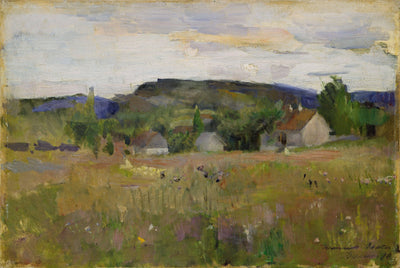
Discovering the Enigmatic Interior of Uvdal Stave Church by Harriet Backer
Artistic Context: The Significance of Uvdal Stave Church in Norwegian Heritage
Historical Background of Uvdal Stave Church
Uvdal Stave Church, located in the picturesque
village of Uvdal, Norway, dates back to the 12th century. This
architectural gem is one of the best-preserved stave churches in the country. Its unique wooden structure showcases intricate carvings and a distinctive roofline that reflects the Viking Age's influence. The church stands as a testament to Norway's rich cultural and
religious history, attracting visitors and art enthusiasts alike. Lesser-known facts reveal that Uvdal Stave Church was originally built as a Catholic church and later became a Lutheran church after the Reformation, symbolizing the shift in Norway's spiritual landscape.
Harriet Backer: A Pioneer of Norwegian Art
Harriet Backer, born in 1845, emerged as a leading figure in Norwegian art during the late 19th century. She was known for her ability to capture the essence of Norwegian life and landscapes through her paintings. Backer studied at the Royal Academy of Art in Oslo and later in Paris, where she was influenced by the
Impressionist movement. Her dedication to portraying the beauty of Norway's natural and architectural wonders, like the Uvdal Stave Church, solidified her legacy as a pioneer of Norwegian art. Backer's work often reflects her deep connection to her homeland, making her an essential figure in the narrative of Norwegian
cultural heritage.
The Role of Stave Churches in Norwegian Culture
Stave churches, like Uvdal, are iconic symbols of Norway's medieval architecture. They served not only as places of worship but also as community gathering spots. These churches often feature elaborate woodwork and carvings that depict biblical stories and Norse mythology. The unique construction techniques used in stave churches highlight the craftsmanship of the time. They represent a blend of Christian and pagan traditions, showcasing Norway's complex cultural identity. The Uvdal Stave Church, in particular, stands out for its historical significance and architectural beauty, making it a focal point for both locals and tourists.
Visual Analysis: Unpacking the Elements of Backer's Masterpiece
Color Palette: The Harmony of Earthy Tones and Light
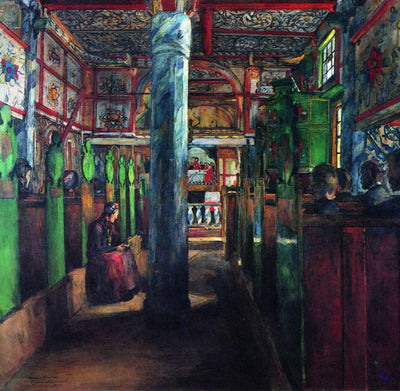
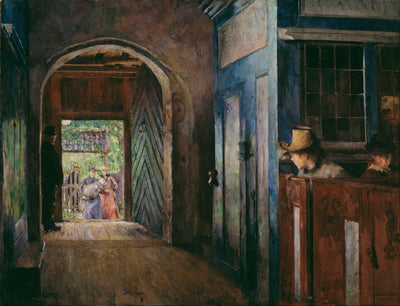
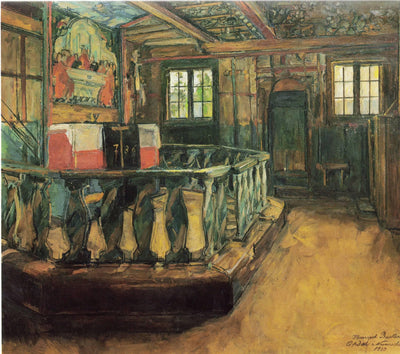
In "Interior from Uvdal Stave Church," Backer employs a rich color palette dominated by earthy tones. Deep browns, warm ochres, and soft greens create a sense of warmth and tranquility. The interplay of light and shadow enhances the painting's depth, inviting viewers to explore the serene interior. Backer's choice of colors reflects the natural materials of the church, emphasizing its connection to the surrounding landscape.
Composition: The Intricate Arrangement of Space and Figures
Backer's composition skillfully balances the architectural elements of the church with the figures within. The arrangement draws the viewer's eye through the space, creating a sense of movement and life. The placement of figures, engaged in quiet contemplation, adds to the painting's narrative quality. This thoughtful composition invites viewers to reflect on their own experiences within sacred spaces.
Lighting Techniques: The Play of Natural Light in the Interior
Backer masterfully captures the effect of natural light streaming through the church's windows. The soft illumination highlights the textures of the wooden beams and the intricate details of the interior. This use of light not only enhances the painting's
realism but also evokes a spiritual atmosphere. The contrast between light and shadow creates a dynamic visual experience, drawing viewers into the sacred space.
Symbolism and Themes: What Lies Beneath the Surface?
Spirituality and Solitude: The Emotional Resonance of the Interior
The interior of Uvdal Stave Church symbolizes a sanctuary for reflection and solitude. Backer captures the emotional resonance of this sacred space, inviting viewers to experience a moment of peace. The figures within the painting seem lost in thought, embodying the spiritual journey that many undertake in places of worship. This theme of introspection resonates deeply with audiences, making the painting a powerful exploration of faith and solitude.
Connection to Nature: How the Church Reflects the Norwegian Landscape
Backer's depiction of the church interior also highlights the connection between spirituality and
nature. The earthy tones and natural materials used in the church's construction echo the surrounding Norwegian landscape. This relationship emphasizes the idea that sacred spaces are not separate from the natural world but are an integral part of it. The Uvdal Stave Church stands as a
bridge between the divine and the earthly, reflecting Norway's stunning scenery.
Community and Tradition: The Gathering of Souls in Sacred Spaces
The painting captures the essence of community and tradition within the church. Stave churches served as gathering places for worship and social events, fostering a sense of belonging among parishioners. Backer's portrayal of figures within the church evokes a feeling of unity and shared experience. This theme of community resonates with viewers, reminding them of the importance of connection in spiritual practices.
Artistic Techniques: Harriet Backer's Unique Approach to Oil Painting
Brushwork and Texture: The Craftsmanship Behind the Canvas
Backer's brushwork is characterized by its precision and attention to detail. She skillfully layers oil paint to create rich textures that bring the interior to life. The tactile quality of the painting invites viewers to appreciate the craftsmanship involved in its creation. Each stroke contributes to the overall atmosphere, enhancing the viewer's experience of the sacred space.
Innovative Use of Perspective: Drawing the Viewer into the Scene
Backer employs innovative perspective techniques to draw viewers into the scene. The careful arrangement of architectural elements creates a sense of depth, making the viewer feel as if they are stepping into the church. This immersive quality enhances the emotional impact of the painting, allowing audiences to engage with the artwork on a personal level.
Influences: The Impact of Impressionism on Backer's Style
Harriet Backer's style reflects the influence of
Impressionism, particularly in her use of light and color. She captures fleeting moments and the effects of natural light, reminiscent of the works of her contemporaries. However, Backer maintains a unique voice, blending Impressionist techniques with her own interpretations of Norwegian culture and landscapes. This fusion creates a distinctive style that sets her apart in the art world.
Comparative Analysis: Uvdal Stave Church in the Context of Backer's Body of Work
Similarities with Other Notable Works by Harriet Backer
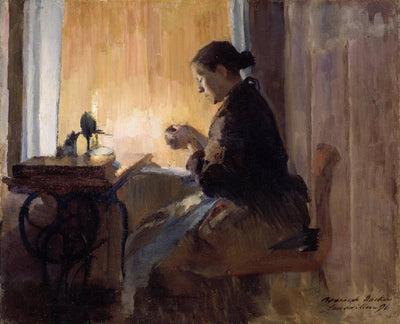
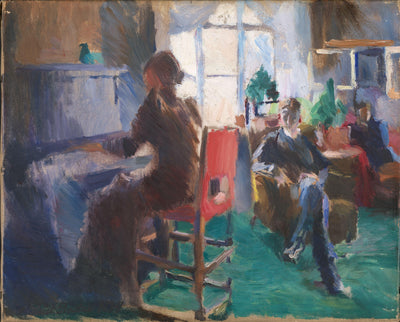
"Interior from Uvdal Stave Church" shares thematic and stylistic similarities with other notable works by Backer. Her focus on light, color, and the emotional resonance of spaces is evident throughout her portfolio. Paintings like "The Reading Girl" and "The Blue Room" also explore themes of solitude and introspection, showcasing her consistent artistic vision.
Contrasts with Contemporary Artists of the Era
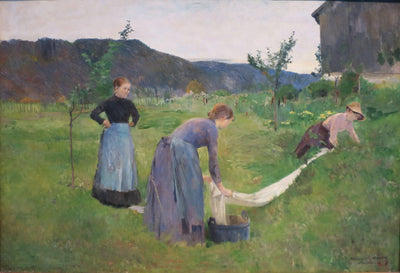
While many contemporary artists focused on urban themes and modernity, Backer remained dedicated to capturing the essence of Norwegian life and landscapes. Her commitment to portraying traditional subjects sets her apart from her peers. This contrast highlights her unique contribution to the art world and her role in preserving Norway's cultural heritage.
The Evolution of Backer's Artistic Vision Over Time
Throughout her career, Backer's artistic vision evolved as she experimented with different techniques and themes. Her later works reflect a deeper exploration of light and color, showcasing her growth as an artist. However, her dedication to capturing the beauty of Norway's landscapes and architecture remains a constant throughout her body of work.
Emotional Impact: The Viewer's Experience with the Painting
First-Hand Reactions: How Audiences Connect with the Interior
Viewers often describe a profound emotional connection when experiencing "Interior from Uvdal Stave Church." The serene atmosphere and thoughtful composition evoke feelings of peace and reflection. Many find themselves transported to the sacred space, experiencing a moment of tranquility amidst the chaos of modern life.
Art as a Reflection of Personal and Collective Memory
Backer's painting serves as a reflection of both personal and collective memory. For many Norwegians, the Uvdal Stave Church represents a connection to their heritage and spiritual roots. The artwork invites viewers to contemplate their own experiences within sacred spaces, fostering a sense of nostalgia and belonging.
Engagement with the Sacred: The Spiritual Journey Through Art
"Interior from Uvdal Stave Church" offers a spiritual journey for viewers. The painting encourages contemplation and introspection, allowing audiences to engage with their own beliefs and experiences. Backer's ability to capture the essence of spirituality within the church creates a powerful connection between the artwork and the viewer's personal journey.
FAQs: Common Questions About Uvdal Stave Church and Harriet Backer
What is the historical significance of Uvdal Stave Church?
Uvdal Stave Church is a significant example of medieval Norwegian architecture, showcasing the craftsmanship and cultural heritage of the time. It reflects the transition from Catholicism to Lutheranism in Norway.
How does Harriet Backer's style differ from other artists of her time?
Backer's style is characterized by her focus on light, color, and emotional resonance, setting her apart from contemporaries who often explored urban themes and modernity.
What themes are prevalent in the painting of Uvdal Stave Church?
Themes of spirituality, solitude, community, and the connection to nature are prevalent in Backer's painting, inviting viewers to reflect on their own experiences.
How does the use of light enhance the emotional depth of the painting?
Backer's innovative use of natural light creates a serene atmosphere, enhancing the emotional impact and inviting viewers to engage with the sacred space.
What techniques did Harriet Backer use to create texture in her work?
Backer employed precise brushwork and layering techniques to create rich textures, bringing the interior of the church to life and inviting tactile appreciation.
Are there any notable exhibitions featuring Harriet Backer's work?
Backer's work has been featured in various exhibitions, including retrospectives at major art institutions in Norway, celebrating her contributions to Norwegian art.
What should I know about reproducing the painting for my home?
When considering a reproduction of "Interior from Uvdal Stave Church," opt for a high-quality painting reproduction. Unlike prints, these reproductions capture the texture and depth of the original artwork, enhancing your home decor with a touch of cultural heritage.
 4.9/5
4.9/5