Exploring the Historical Significance of Philipp Melanchthon in Renaissance Art
The Life and Legacy of Philipp Melanchthon
Key Contributions to the Protestant Reformation
Philipp Melanchthon, a pivotal figure in the Protestant Reformation, played a crucial role in shaping Lutheran theology. He was a close associate of Martin Luther and helped articulate the principles of the Reformation through his writings. Melanchthon's "Augsburg Confession" remains a foundational document for Lutheran beliefs, emphasizing justification by faith and the authority of Scripture. His influence extended beyond theology; he was instrumental in the establishment of educational reforms in Germany, promoting humanist ideals in the curriculum.
Melanchthon's Role as a Scholar and Educator
As a scholar, Melanchthon was a prolific writer and educator. He served as a professor at the University of Wittenberg, where he taught Greek and theology. His commitment to education helped lay the groundwork for modern educational systems. Melanchthon's emphasis on critical thinking and classical studies inspired generations of students. His legacy as a humanist scholar is evident in his efforts to integrate classical literature with Christian teachings, making him a key figure in the
Renaissance.
Hans Holbein the Younger: Master of Portraiture
Holbein's Artistic Techniques and Style
Hans Holbein the Younger is celebrated for his exceptional portraiture, capturing the essence of his subjects with remarkable precision. His use of oil paints allowed for vibrant colors and intricate details, making his
portraits lifelike. Holbein's ability to convey personality through facial expressions and body language set him apart from his contemporaries. His meticulous attention to detail and innovative techniques contributed to the evolution of portrait painting during the
Northern Renaissance.
Influence of Northern Renaissance on Holbein's Work
Holbein's work reflects the broader trends of the Northern Renaissance, characterized by a focus on
realism and human emotion. He drew inspiration from the natural world, incorporating elements of everyday life into his portraits. This approach not only enhanced the authenticity of his subjects but also resonated with the humanist ideals of the time. Holbein's portraits often included symbolic elements that added depth and meaning, making them rich in narrative.
In-Depth Analysis of the Portrait of Philipp Melanchthon
Visual Elements and Composition of the Painting
Color Palette: Symbolism and Meaning
The color palette of the "Portrait of Philipp Melanchthon" is carefully chosen to reflect his character and status. The deep, rich colors convey a sense of dignity and intellect. The use of dark backgrounds contrasts with Melanchthon's lighter attire, drawing the viewer's attention to his face and expression. This strategic use of color enhances the overall impact of the portrait, symbolizing the weight of his contributions to the Reformation.
Facial Expression and Body Language: Insights into Melanchthon's Character
Melanchthon's facial expression in the portrait reveals a thoughtful and contemplative
nature. His slight smile suggests warmth and approachability, while his direct gaze conveys confidence and authority. The positioning of his hands, resting on a book, signifies his scholarly pursuits and dedication to education. This combination of expression and posture provides a window into Melanchthon's personality, highlighting his role as a thinker and leader.
Symbolism and Iconography in the Portrait
Objects and Attire: What They Reveal About Melanchthon
The objects depicted in the portrait, including the book and the academic attire, symbolize Melanchthon's commitment to scholarship and education. His dark robe signifies his status as a scholar, while the open book represents knowledge and the pursuit of truth. These elements not only reflect his personal values but also align with the broader humanist ideals of the Renaissance, emphasizing the importance of learning and intellectual growth.
Hidden Meanings: Decoding the Background Elements
The background of the portrait features subtle details that enhance its meaning. The muted tones and simple design draw focus to Melanchthon, emphasizing his significance. Some interpretations suggest that the background elements may represent the tumultuous times of the Reformation, hinting at the challenges he faced. This layered
symbolism invites viewers to explore the deeper narrative behind the portrait.
The Cultural Context of the Portrait
Renaissance Humanism and Its Impact on Art
Renaissance humanism profoundly influenced art, emphasizing the value of human experience and intellect. Melanchthon embodied these ideals, advocating for a return to classical learning and the importance of individual thought. His contributions to education and theology reflect the humanist belief in the potential of humanity to shape its destiny. This cultural context enriched the artistic landscape, allowing artists like Holbein to explore complex themes in their work.
How Melanchthon Embodied Humanist Ideals
Melanchthon's life and work exemplify the principles of humanism. He championed the study of classical texts and believed in the power of education to transform society. His writings often emphasized the importance of reason and critical thinking, aligning with the humanist movement's focus on individual potential. This commitment to humanist ideals is evident in Holbein's portrayal of him, capturing not just his likeness but also his intellectual spirit.
The Role of Portraiture in Renaissance Society
Portraiture during the Renaissance served as a means of documenting and celebrating individual achievements. It allowed patrons to showcase their status and intellect. Holbein's portraits, including that of Melanchthon, played a vital role in this cultural practice. They provided a visual record of influential figures, contributing to the historical narrative of the time. The significance of these portraits extended beyond mere representation; they became symbols of power and influence.
Comparative Analysis with Other Renaissance Portraits
Contrasting Melanchthon with Other Notable Figures
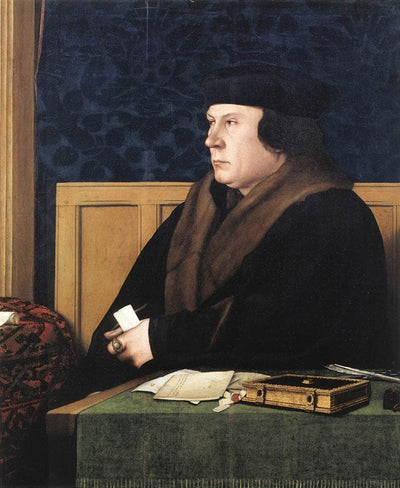
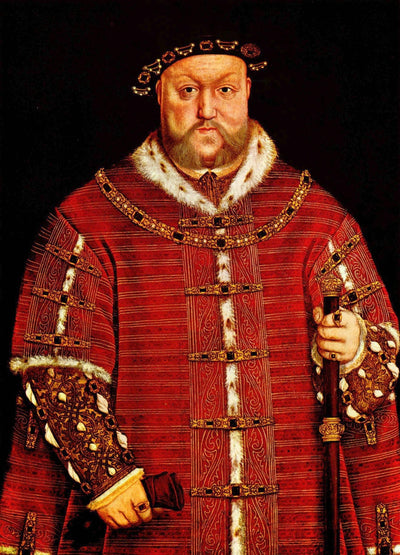
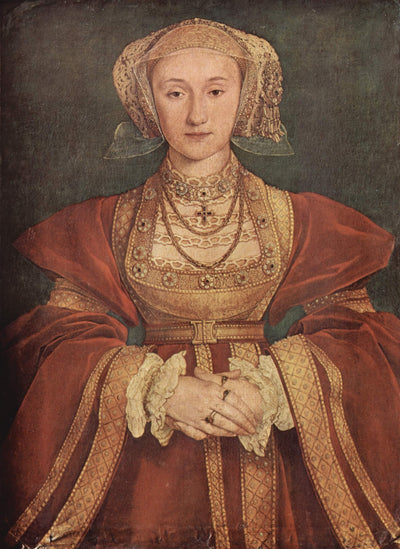
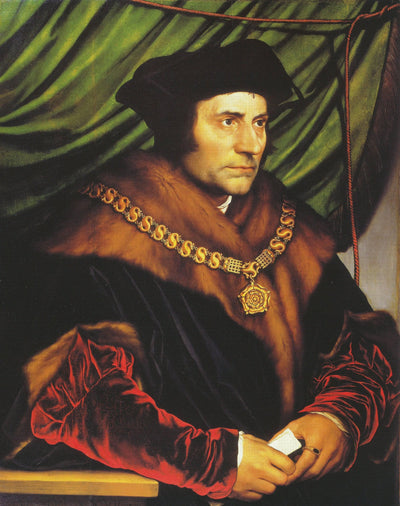
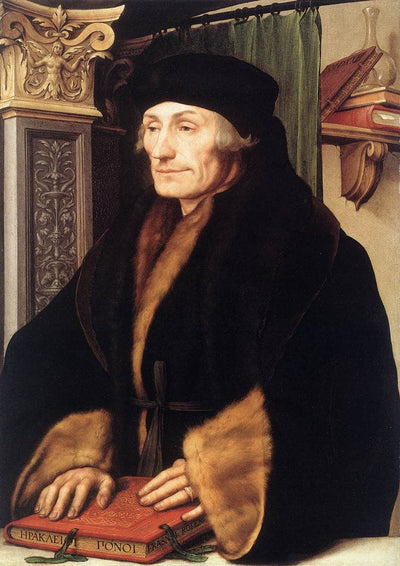
When comparing Melanchthon's portrait to those of other Renaissance figures, such as Erasmus or Luther, distinct differences emerge. Holbein's portrayal of Melanchthon emphasizes his scholarly demeanor, while other portraits may focus on different aspects of their subjects' personalities. This contrast highlights Holbein's unique ability to capture the essence of his subjects, making each portrait a distinct narrative.
Holbein's Other Portraits: A Study of Style and Technique
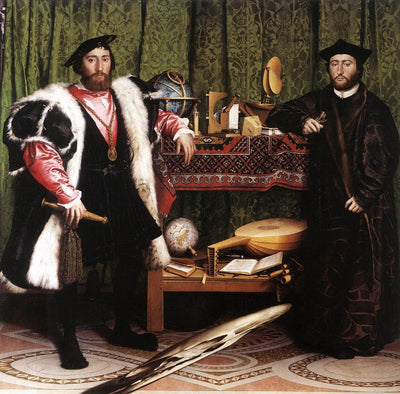
Holbein's body of work includes numerous portraits of influential figures, each showcasing his mastery of technique. His ability to convey character through subtle details sets his portraits apart. By studying Holbein's other works, one can appreciate the consistency of his style while recognizing the individuality of each subject. This exploration reveals the depth of Holbein's artistic vision and his contribution to the genre of portraiture.
Artistic Techniques Employed by Holbein
Oil Painting Techniques: Layering and Glazing
Holbein's use of oil painting techniques, such as layering and glazing, contributed to the richness of his portraits. These methods allowed him to build depth and luminosity, creating a three-dimensional effect. The careful application of glazes enhanced the vibrancy of colors, making the subjects appear lifelike. This technical mastery is evident in the "Portrait of Philipp Melanchthon," where the interplay of light and shadow adds to the overall realism.
Brushwork and Texture: Creating Realism
Holbein's brushwork is characterized by precision and attention to detail. He employed fine brushstrokes to capture the texture of fabrics and the subtleties of skin tones. This meticulous approach created a sense of realism that draws viewers into the portrait. The texture of Melanchthon's attire and the smoothness of his skin exemplify Holbein's skill in rendering lifelike representations.
Lighting and Shadow: Enhancing Depth and Dimension
The strategic use of lighting and shadow in Holbein's portraits enhances their depth and dimension. In Melanchthon's portrait, the light
falls gently on his face, highlighting his features while casting soft shadows that add volume. This careful manipulation of light creates a dynamic interplay between foreground and background, inviting viewers to engage with the artwork on a deeper level.
Holbein's Influence on Future Generations of Artists
Legacy of Holbein's Portraiture in Modern Art
Holbein's innovative approach to portraiture has left a lasting legacy in the art world. His ability to capture the essence of his subjects influenced countless artists who followed. Modern portraitists continue to draw inspiration from Holbein's techniques, particularly his use of color and composition. The impact of his work can be seen in
contemporary art, where the principles of realism and character portrayal remain central.
How Melanchthon's Portrait Inspired Later Works
The "Portrait of Philipp Melanchthon" not only stands as a testament to Holbein's skill but also inspired later artists to explore similar themes. The combination of intellectual depth and visual representation in Melanchthon's portrait encouraged subsequent generations to consider how to convey character through art. This influence is evident in various artistic movements, where the interplay of personality and technique continues to be a focal point.
Frequently Asked Questions About the Portrait of Philipp Melanchthon
What is the historical context of the Portrait of Philipp Melanchthon?
The portrait was created during a time of significant
religious upheaval in Europe, reflecting the tensions of the Protestant Reformation and the rise of humanist thought.
What techniques did Hans Holbein use in this painting?
Holbein employed oil painting techniques, including layering and glazing, to achieve depth and realism in Melanchthon's portrait.
What does the portrait reveal about Melanchthon's personality?
The portrait captures Melanchthon's thoughtful and scholarly nature, showcasing his confidence and approachability through his expression and posture.
How does this painting reflect the values of the Renaissance?
The portrait embodies Renaissance values by emphasizing human intellect, individualism, and the importance of education, aligning with the humanist movement.
What are the notable features of Melanchthon's attire in the portrait?
Melanchthon's dark academic robe signifies his status as a scholar, while the open book symbolizes his commitment to knowledge and learning.
How does this portrait compare to other works by Holbein?
Holbein's portrait of Melanchthon stands out for its focus on scholarly attributes, contrasting with his other portraits that may emphasize different aspects of their subjects.
What should I know about reproductions of this painting?
Art reproductions of the "Portrait of Philipp Melanchthon" offer a superior alternative to prints, capturing the intricate details and vibrant colors of the original oil painting.
Are there any unique features in the reproduction of this artwork?
High-quality reproductions maintain the richness of Holbein's brushwork and color palette, allowing art lovers to appreciate the depth and character of Melanchthon's portrait in their own space.
 4.9/5
4.9/5