Exploring the Spiritual Depths of Prayer in the Cathedral of St. Pierre, Geneva
Ferdinand Hodler: A Master of Symbolism and Emotion
The Life and Artistic Journey of Ferdinand Hodler
Ferdinand Hodler, born in 1853 in Geneva, was a prominent Swiss painter known for his unique blend of
Symbolism and
Expressionism. His artistic journey began in the picturesque landscapes of Switzerland, where he developed a deep appreciation for
nature and spirituality. Hodler's work often reflects his fascination with the human condition, exploring themes of love, death, and the divine. He became a leading figure in the Swiss art scene, influencing generations of artists with his emotive style and innovative techniques.
Influences of Swiss Culture on Hodler's Work
Hodler's art is deeply rooted in Swiss culture, reflecting the serene beauty of the Swiss
Alps and the rich history of Geneva. The landscapes, folklore, and
religious traditions of Switzerland significantly shaped his artistic vision. His connection to the natural world and the spiritual essence of his homeland is evident in his paintings, including "Prayer in the Cathedral of St. Pierre." This work captures the profound relationship between humanity and the divine, a theme that resonates with the Swiss cultural identity.
Prayer in the Cathedral of St. Pierre: A Visual Narrative
Understanding the Composition and Color Palette
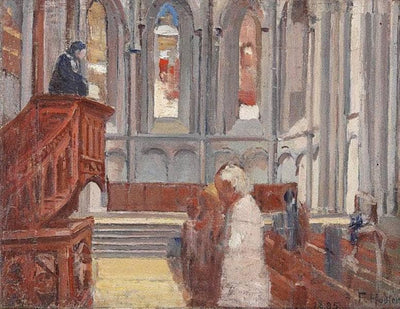
"Prayer in the Cathedral of St. Pierre" features a striking composition that draws viewers into its spiritual narrative. The painting showcases a solitary figure in prayer, surrounded by the majestic architecture of the cathedral. Hodler's use of a rich color palette, dominated by deep blues and warm golds, creates a sense of tranquility and reverence. The colors evoke the sacred atmosphere of the cathedral, inviting contemplation and reflection.
The Role of Light and Shadow in Conveying Emotion
Light and shadow play a crucial role in Hodler's work, enhancing the emotional depth of "Prayer in the Cathedral of St. Pierre." The soft illumination highlights the figure's serene expression, while the darker areas of the painting create a sense of mystery and introspection. This interplay of light and shadow not only emphasizes the spiritual experience of prayer but also reflects the duality of hope and despair that often accompanies moments of solitude.
Symbolic Elements: What Each Detail Represents
Every detail in "Prayer in the Cathedral of St. Pierre" carries symbolic significance. The cathedral itself represents a sanctuary, a place where individuals seek solace and connection with the divine. The figure in prayer embodies devotion and introspection, illustrating the universal quest for meaning. Additionally, the
architectural elements of the cathedral, such as the soaring arches and stained glass windows, symbolize the transcendence of the human spirit.
The Historical Context of the Cathedral of St. Pierre
A Brief History of the Cathedral: Architecture and Significance
The Cathedral of St. Pierre, located in the heart of Geneva, has a rich history dating back to the 12th century. Its architectural style combines Romanesque and Gothic elements, making it a stunning example of medieval architecture. The cathedral has served as a significant religious site, witnessing pivotal moments in the Reformation and the history of Geneva. Its towering presence symbolizes the enduring faith of the community.
Religious and Cultural Importance in Geneva
St. Pierre Cathedral holds immense religious and cultural importance in Geneva. It has been a center of Protestant worship since the Reformation, attracting visitors and pilgrims from around the world. The cathedral's historical significance is intertwined with the
city's identity, making it a vital landmark in Geneva's cultural landscape. Its role in shaping religious thought and community values is reflected in Hodler's painting.
How the Cathedral Inspired Artists Throughout History
Throughout history, the Cathedral of St. Pierre has inspired countless artists, writers, and musicians. Its majestic architecture and spiritual ambiance have served as a muse for creative expression. Hodler's "Prayer in the Cathedral of St. Pierre" is a testament to this artistic legacy, capturing the essence of the cathedral's influence on the human spirit. The painting invites viewers to explore their own connections to faith and spirituality.
Analyzing the Themes of Faith and Reflection
The Concept of Prayer in Art: A Deeper Look
Prayer has long been a profound theme in art, representing a moment of connection between the individual and the divine. In "Prayer in the Cathedral of St. Pierre," Hodler captures this intimate experience, inviting viewers to reflect on their own spiritual journeys. The painting serves as a reminder of the power of prayer to provide comfort and guidance in times of uncertainty.
Hodler's Interpretation of Spirituality and Solitude
Hodler's interpretation of spirituality in this painting emphasizes the importance of solitude in the quest for understanding. The solitary figure in prayer reflects the inner struggle and contemplation that often accompany moments of deep reflection. This portrayal resonates with viewers, encouraging them to embrace their own moments of solitude as opportunities for spiritual growth.
Contrasting Emotions: Hope vs. Despair in the Painting
"Prayer in the Cathedral of St. Pierre" beautifully contrasts the emotions of hope and despair. The figure's serene posture suggests a sense of hope and faith, while the darker tones in the background hint at the struggles and doubts that often accompany prayer. This duality invites viewers to explore their own emotional landscapes, recognizing that both hope and despair are integral to the human experience.
Artistic Techniques and Innovations in Hodler's Work
Brushwork and Texture: Creating Depth and Movement
Hodler's brushwork in "Prayer in the Cathedral of St. Pierre" is masterful, creating a sense of depth and movement. His technique involves layering paint to build texture, giving the painting a dynamic quality. This approach draws viewers into the scene, allowing them to feel the emotional weight of the moment captured on canvas.
Color Theory: The Emotional Impact of Hodler's Palette
Hodler's use of color theory enhances the emotional impact of the painting. The harmonious blend of cool and warm tones evokes a sense of peace and introspection. The colors not only reflect the physical space of the cathedral but also resonate with the spiritual themes of the artwork, creating a powerful visual experience.
Influence of Art Movements: From Symbolism to Modernism
Hodler's work
bridges the gap between Symbolism and
Modernism, showcasing his innovative approach to art. His ability to convey complex emotions through simple forms and colors set the stage for future artistic movements. "Prayer in the Cathedral of St. Pierre" exemplifies this transition, blending traditional themes with a modern sensibility that continues to inspire artists today.
Experiencing the Painting: A Personal Reflection
Visiting the Cathedral: Immersing in the Atmosphere
Visiting the Cathedral of St. Pierre offers a unique opportunity to immerse oneself in the atmosphere that inspired Hodler's painting. The cathedral's grandeur and serene ambiance create a space for reflection and contemplation. Standing in the same space as the painting's subject allows visitors to connect with the spiritual essence captured by Hodler.
How the Painting Resonates with Contemporary Audiences
"Prayer in the Cathedral of St. Pierre" resonates with contemporary audiences, as many seek solace and meaning in their lives. The themes of faith, solitude, and introspection are universal, transcending time and culture. Hodler's portrayal of prayer invites viewers to explore their own beliefs and experiences, making the painting relevant in today's fast-paced world.
Personal Interpretations: What Prayer Means Today
The concept of prayer has evolved, yet its significance remains profound. For many, prayer represents a moment of connection, reflection, and hope. Hodler's painting encourages viewers to consider their own interpretations of prayer, whether it be a formal practice or a personal moment of stillness. This exploration of meaning adds depth to the experience of viewing the artwork.
Frequently Asked Questions about Prayer in the Cathedral of St. Pierre
What inspired Ferdinand Hodler to create this painting?
Hodler was inspired by the spiritual atmosphere of the Cathedral of St. Pierre and the universal theme of prayer. He sought to capture the emotional depth of this experience.
What are the main themes depicted in Prayer in the Cathedral?
The main themes include spirituality, solitude, and the contrast between hope and despair. The painting invites viewers to reflect on their own spiritual journeys.
How does the painting reflect the architectural features of the Cathedral?
The painting showcases the cathedral's majestic architecture, emphasizing its role as a sanctuary. The details of the arches and light filtering through the windows enhance the spiritual narrative.
What emotions does Hodler aim to evoke through this artwork?
Hodler aims to evoke a sense of peace, introspection, and connection with the divine. The painting encourages viewers to explore their own emotions related to prayer.
How has this painting influenced modern interpretations of prayer?
The painting has influenced modern interpretations by highlighting the personal and emotional aspects of prayer. It encourages individuals to find their own meaning in spiritual practices.
What is the significance of the color choices in the painting?
The color choices create a harmonious balance between cool and warm tones, evoking feelings of tranquility and reflection. The palette enhances the emotional impact of the scene.
How can I appreciate the painting in a contemporary context?
To appreciate the painting today, consider its themes of solitude and spirituality. Reflect on your own experiences with prayer and how they relate to the emotions captured in Hodler's work.
Understanding Art Reproductions: A Brief Overview
What are the benefits of owning a reproduction of this painting?
Owning a reproduction of "Prayer in the Cathedral of St. Pierre" allows you to bring the beauty and emotional depth of Hodler's work into your home. Unlike prints, high-quality reproductions capture the texture and vibrancy of the original painting, making them a superior choice for art lovers.
How do art reproductions capture the essence of the original work?
Art reproductions use advanced techniques to replicate the colors, textures, and details of the original painting. This fidelity to the original allows viewers to experience the artwork's emotional impact in their own space.
What should I consider when purchasing a reproduction of Prayer in the Cathedral?
When purchasing a reproduction, consider the quality of materials, the accuracy of color, and the reputation of the artist or company creating the reproduction. A well-crafted reproduction will enhance your appreciation of Hodler's masterpiece.
 4.9/5
4.9/5