
The Captivating Story Behind "The Prisoner of Chillon" by EugÉne Delacroix
Exploring the Historical Context of Delacroix's Masterpiece
The Influence of Romanticism on Delacroix's Work
EugÉne Delacroix, a leading figure of the Romantic movement, created "The Prisoner of Chillon" in 1834. This painting reflects the emotional intensity and individualism characteristic of Romanticism. Delacroix sought to express deep feelings and dramatic narratives, often drawing inspiration from literature and history. His work captures the essence of human struggle and the quest for freedom, resonating with the Romantic ideals of passion and heroism.
Chillon Castle: A Symbol of Oppression and Freedom
Chillon Castle, located on the shores of Lake Geneva, serves as a powerful backdrop in Delacroix's painting. The castle's dark, imposing structure symbolizes oppression, while the surrounding landscape represents the yearning for freedom. This duality enhances the emotional weight of the artwork. The historical significance of Chillon Castle, once a prison for political dissidents, adds layers of meaning to the painting, making it a poignant commentary on the human condition.
Visual Elements of "The Prisoner of Chillon": A Deep Dive
Color Palette and Its Emotional Impact
Vibrant Hues: The Use of Red and Blue
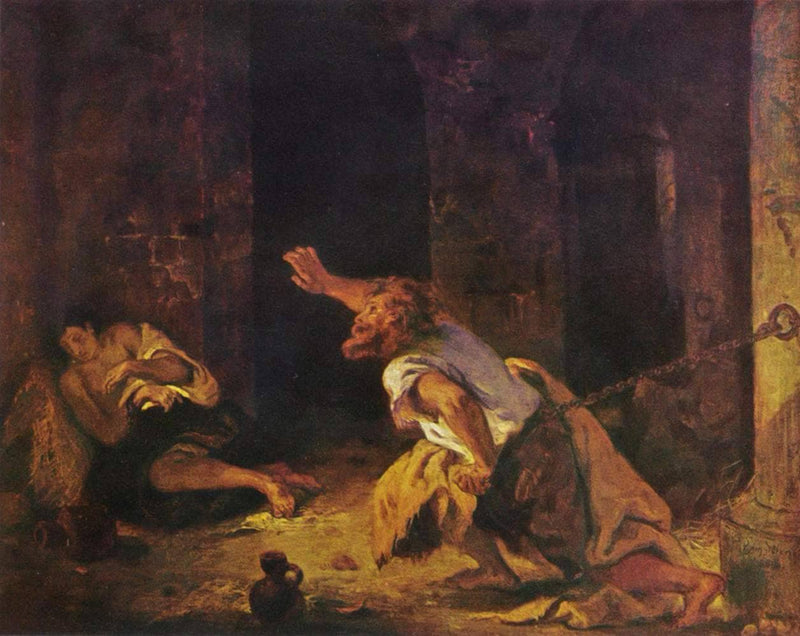
Delacroix's choice of colors in "The Prisoner of Chillon" is striking. The vibrant reds evoke passion and suffering, while the deep blues suggest melancholy and despair. This dynamic color palette creates a vivid emotional landscape, drawing viewers into the prisoner's plight. The contrast between warm and cool tones enhances the painting's dramatic tension, making it a visual feast for the eyes.
Shadows and Light: Creating Depth and Drama
The interplay of light and shadow in this artwork adds depth and drama. Delacroix masterfully uses chiaroscuro to highlight the prisoner's anguish while casting shadows that symbolize his isolation. This technique not only enhances the three-dimensionality of the figures but also evokes a sense of foreboding, immersing the viewer in the emotional turmoil of the scene.
Composition and Perspective: Guiding the Viewer's Eye
Dynamic Arrangement of Figures and Landscape
The composition of "The Prisoner of Chillon" is carefully crafted to guide the viewer's eye. Delacroix arranges the figures in a dynamic manner, creating a sense of movement and urgency. The positioning of the prisoner in the foreground draws immediate attention, while the expansive landscape in the background invites contemplation. This thoughtful arrangement enhances the narrative quality of the painting.
Symbolic Placement of the Prisoner
The placement of the prisoner is rich with symbolism. Positioned at the forefront, he embodies the struggle against tyranny. His gaze, directed towards the distant mountains, symbolizes hope and the longing for freedom. This powerful visual narrative encourages viewers to reflect on the themes of captivity and liberation, making the painting a profound exploration of the human spirit.
Thematic Exploration: Freedom, Suffering, and Redemption
Interpreting the Prisoner's Struggle
The Role of Isolation in the Human Experience
The theme of isolation is central to "The Prisoner of Chillon." Delacroix captures the essence of solitude and its impact on the human psyche. The prisoner's confinement reflects the broader human experience of feeling trapped by circumstances. This theme resonates with many, as it speaks to the universal struggle for freedom and self-expression.
Hope Amidst Despair: A Duality of Emotion
Delacroix masterfully balances despair with hope in this painting. While the prisoner's expression conveys suffering, the distant landscape hints at the possibility of escape and redemption. This duality of emotion invites viewers to contemplate the complexities of life, where hope often coexists with despair. It serves as a reminder that even in the darkest moments, the light of hope can shine through.
Delacroix's Personal Connection to the Themes
Influences from Lord Byron's Poetry
Delacroix drew inspiration from Lord Byron's poem "The Prisoner of Chillon," which tells the story of a man imprisoned for his beliefs. This literary connection enriches the painting's narrative, as it reflects the Romantic ideals of individualism and the fight against oppression. Byron's themes of love, loss, and longing resonate deeply within Delacroix's work, creating a powerful synergy between literature and art.
Reflections of Delacroix's Own Life Experiences
Delacroix's own life experiences also influenced his portrayal of suffering and freedom. As a passionate advocate for liberty, he often faced political turmoil in France. His personal struggles and beliefs are woven into the fabric of "The Prisoner of Chillon," making it not just a depiction of a historical figure but a reflection of the artist's own quest for freedom and expression.
Artistic Techniques: Delacroix's Signature Style
Brushwork and Texture: Bringing Emotion to Life
Impasto Techniques: Adding Dimension and Movement
Delacroix's use of impasto techniques in "The Prisoner of Chillon" adds a tactile quality to the painting. Thick layers of paint create texture, making the figures appear almost alive. This technique enhances the emotional intensity of the scene, allowing viewers to feel the weight of the prisoner's suffering and the vibrancy of the surrounding landscape.
Fluidity of Lines: Capturing the Essence of Motion
The fluidity of Delacroix's brushstrokes captures the essence of motion and emotion. His dynamic lines convey a sense of urgency and passion, drawing the viewer into the narrative. This signature style is a hallmark of Delacroix's work, showcasing his ability to evoke powerful feelings through movement and form.
Innovative Use of Light and Shadow
Chiaroscuro: Enhancing Dramatic Tension
Delacroix's innovative use of chiaroscuro enhances the dramatic tension in "The Prisoner of Chillon." The stark contrasts between light and dark create a sense of depth and highlight the emotional struggles of the figures. This technique not only adds visual interest but also reinforces the painting's themes of suffering and hope.
Natural Light: A Window into the Soul of the Painting
The natural light in the painting serves as a metaphorical window into the soul of the prisoner. It illuminates his face, revealing the depth of his emotions. This thoughtful use of light invites viewers to connect with the character on a personal level, fostering empathy and understanding of his plight.
The Legacy of "The Prisoner of Chillon" in Art History
Influence on Future Generations of Artists
Romanticism's Lasting Impact on Modern Art
"The Prisoner of Chillon" has left a lasting impact on the art world, influencing generations of artists. Delacroix's emotive style and thematic depth paved the way for future movements, including Symbolism and Expressionism. His ability to convey complex emotions through color and composition continues to inspire contemporary artists seeking to explore the human experience.
How Delacroix Shaped the Narrative of Art
Delacroix's work reshaped the narrative of art by emphasizing the importance of emotion and individual experience. His focus on dramatic storytelling and vivid imagery challenged traditional artistic conventions. "The Prisoner of Chillon" stands as a testament to his innovative approach, encouraging artists to explore the depths of human emotion in their own work.
Exhibitions and Collections: Where to Experience the Original
Notable Museums Housing Delacroix's Work
The original "The Prisoner of Chillon" is housed in the Musée de la Vie Romantique in Paris, France. This museum celebrates the Romantic era and offers visitors a chance to experience Delacroix's masterpiece up close. The museum's collection provides context for the painting, showcasing other works from the Romantic period that echo its themes of freedom and suffering.
Significant Art Exhibitions Featuring "The Prisoner of Chillon"
Throughout the years, "The Prisoner of Chillon" has been featured in numerous significant art exhibitions. These exhibitions often highlight Delacroix's contributions to Romanticism and his influence on modern art. Attending such exhibitions allows art lovers to appreciate the painting's historical context and its relevance in today's artistic landscape.
Frequently Asked Questions About "The Prisoner of Chillon"
What inspired EugÉne Delacroix to paint "The Prisoner of Chillon"?
Delacroix was inspired by Lord Byron's poem "The Prisoner of Chillon," which tells the story of a man imprisoned for his beliefs. This literary influence, combined with Delacroix's own passion for freedom, motivated him to create this powerful artwork.
What are the main themes depicted in "The Prisoner of Chillon"?
The main themes include freedom, suffering, isolation, and hope. The painting explores the emotional struggles of the prisoner while highlighting the universal quest for liberation.
How does "The Prisoner of Chillon" reflect Romanticism?
The painting reflects Romanticism through its emphasis on emotion, individualism, and dramatic narratives. Delacroix's use of vibrant colors and expressive brushwork captures the intensity of human experience, a hallmark of the Romantic movement.
What techniques did Delacroix use in this painting?
Delacroix employed techniques such as impasto, chiaroscuro, and dynamic brushwork. These methods enhance the emotional depth and visual impact of the painting, making it a striking example of his artistic style.
Where can I see the original "The Prisoner of Chillon" painting?
The original painting is located in the Musée de la Vie Romantique in Paris, France. This museum offers a unique opportunity to view Delacroix's work in a setting that celebrates the Romantic era.
What should I know about reproductions of "The Prisoner of Chillon"?
Reproductions of "The Prisoner of Chillon" are a fantastic way to bring this masterpiece into your home. Unlike prints, high-quality oil painting reproductions capture the texture and vibrancy of the original artwork, making them a superior choice for art lovers.
How can I ensure the quality of a reproduction of this painting?
To ensure the quality of a reproduction, look for artists who specialize in oil painting reproductions. Check for reviews and examples of their work to confirm their ability to replicate the original's colors, textures, and details accurately.