


Unveiling the Masterpiece: Resurrection by El Greco
Historical Context of El Greco's Resurrection
The Influence of the Spanish Renaissance on El Greco
El Greco, born Domenikos Theotokopoulos in Crete, became a pivotal figure in the Spanish Renaissance. His move to Toledo in the late 16th century marked a significant shift in his artistic journey. The cultural and religious fervor of Spain during this period deeply influenced his work, particularly in "Resurrection." This painting reflects the era's emphasis on spirituality and the divine, showcasing El Greco's unique ability to blend Byzantine traditions with Western art.
Religious Themes in 16th Century Art
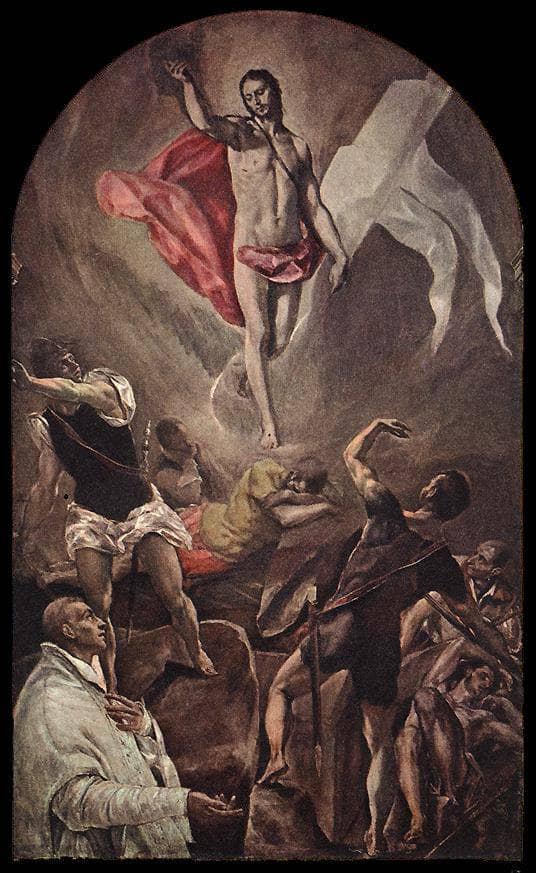
The 16th century was a time of profound religious transformation, with the Reformation and Counter-Reformation shaping artistic expression. El Greco's "Resurrection" embodies these themes, illustrating the triumph of Christ over death. This painting serves as a visual sermon, inviting viewers to contemplate the mysteries of faith and redemption. The dramatic portrayal of Christ's resurrection resonates with the spiritual needs of a society grappling with religious upheaval.
El Greco's Unique Style: Mannerism and Beyond
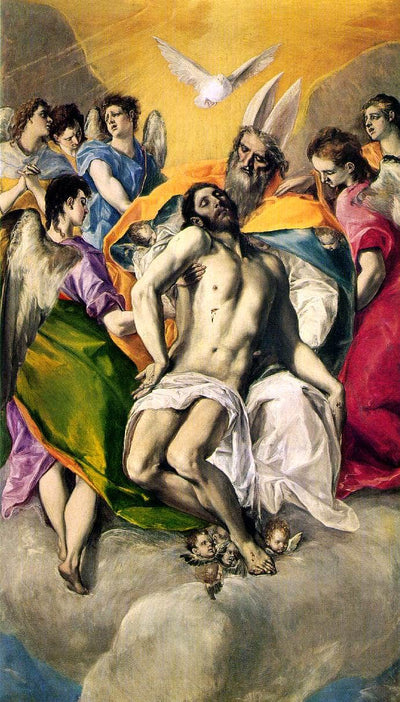
El Greco's style is often categorized as Mannerism, characterized by elongated figures and emotional intensity. In "Resurrection," he employs these techniques to convey a sense of movement and divine energy. His distinctive use of color and form sets him apart from his contemporaries, making his work instantly recognizable. This painting exemplifies his innovative approach, merging traditional religious iconography with a personal, expressive style.
Artistic Elements of Resurrection: A Closer Look
Vibrant Color Palette: Symbolism and Emotion
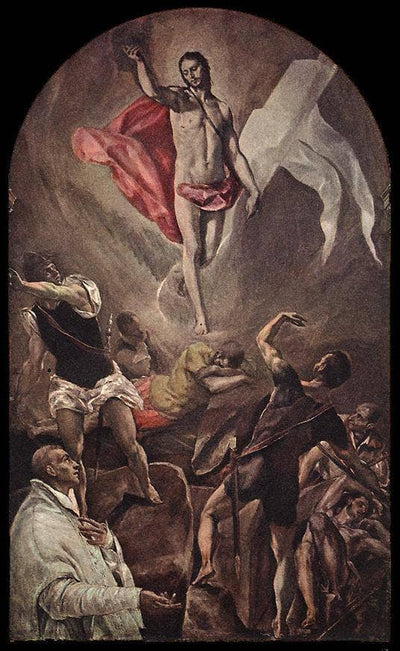
The color palette in "Resurrection" is both vibrant and symbolic. El Greco uses bold blues, radiant whites, and fiery reds to evoke a sense of divine light and spiritual awakening. Each hue carries meaning, with blue representing heaven and purity, while red symbolizes sacrifice and passion. This emotional use of color enhances the viewer's connection to the painting, inviting them to experience the resurrection's joy and hope.
Dynamic Composition: The Arrangement of Figures
The composition of "Resurrection" is dynamic and engaging. El Greco arranges the figures in a triangular formation, drawing the viewer's eye toward the central figure of Christ. This arrangement creates a sense of movement and drama, as the surrounding saints and angels react to the miraculous event. The upward thrust of the figures suggests ascension, reinforcing the theme of resurrection and the promise of eternal life.
Light and Shadow: Chiaroscuro Techniques in Resurrection
El Greco masterfully employs chiaroscuro techniques in "Resurrection," using light and shadow to create depth and drama. The stark contrast between light and dark enhances the three-dimensionality of the figures. This technique not only highlights Christ's divine nature but also adds a theatrical quality to the scene. The interplay of light and shadow invites viewers to explore the painting's emotional and spiritual layers.
Symbolism and Interpretation in Resurrection
The Significance of the Cross: A Central Motif
The cross in "Resurrection" serves as a powerful symbol of Christ's sacrifice and victory over death. Positioned prominently, it reminds viewers of the central tenet of Christianity: redemption through faith. El Greco's depiction of the cross is not just a backdrop; it is integral to the narrative, emphasizing the importance of resurrection in the Christian faith.
Figures of Saints: Their Role and Representation
The saints surrounding Christ in "Resurrection" play a crucial role in the painting's narrative. Each figure represents different aspects of faith and devotion. For instance, Saint Peter, often depicted with keys, symbolizes the authority of the Church. Their expressions and gestures reflect awe and reverence, inviting viewers to join in the celebration of Christ's resurrection.
Resurrection as a Metaphor: Life, Death, and Redemption
El Greco's "Resurrection" transcends a mere depiction of a biblical event; it serves as a metaphor for life, death, and redemption. The painting invites viewers to reflect on their own spiritual journeys. The resurrection symbolizes hope and renewal, encouraging contemplation of the eternal life promised to believers. This deeper interpretation resonates with audiences, making the artwork timeless and relevant.
El Greco's Technique: Brushwork and Texture
Oil Painting Techniques: Layering and Glazing
El Greco's mastery of oil painting techniques is evident in "Resurrection." He employs layering and glazing to achieve rich textures and luminous colors. This method allows for a depth of color that enhances the emotional impact of the painting. The careful application of paint creates a sense of movement and life, drawing viewers into the scene.
Textural Contrast: The Use of Fabric and Skin
The contrast between the textures of fabric and skin in "Resurrection" is striking. El Greco skillfully depicts the flowing robes of the saints alongside the smooth, radiant skin of Christ. This textural variety adds to the painting's visual interest and highlights the divine nature of the central figure. The attention to detail in fabric and flesh showcases El Greco's technical prowess and artistic vision.
Innovative Approaches: El Greco's Signature Style
El Greco's innovative approaches set him apart from his contemporaries. His use of elongated forms and dramatic expressions creates a sense of spirituality that is both unique and compelling. In "Resurrection," these elements come together to form a cohesive narrative that captivates viewers. His signature style continues to influence artists today, demonstrating the lasting impact of his work.
Comparative Analysis: Resurrection and Other Works
Resurrection vs. The Burial of the Count of Orgaz
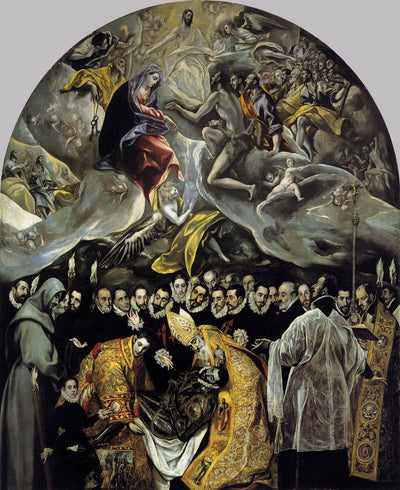
When comparing "Resurrection" to "The Burial of the Count of Orgaz," one can see El Greco's versatility. While both paintings explore themes of life and death, "Resurrection" focuses on the triumph of Christ, whereas "The Burial" emphasizes the solemnity of death. Each work showcases El Greco's ability to convey complex emotions through color, composition, and symbolism.
El Greco's Influence on Future Artists: A Lasting Legacy
El Greco's influence extends far beyond his lifetime. Artists such as Vincent van Gogh and Pablo Picasso drew inspiration from his unique style and emotional depth. His innovative techniques and expressive forms paved the way for modern art movements. "Resurrection" stands as a testament to his lasting legacy, inspiring generations of artists to explore spirituality and emotion in their work.
Similar Themes in Contemporary Art: A Modern Perspective
Contemporary artists continue to explore themes of resurrection and redemption, echoing El Greco's vision. Many modern works reflect on spirituality, life, and death, often using innovative techniques to engage viewers. The relevance of "Resurrection" in today's art scene highlights the timeless nature of El Greco's message, bridging the gap between past and present.
Visiting the Original: Where to Experience Resurrection
The Location: Museo de Santa Cruz, Toledo
To experience "Resurrection" in person, visit the Museo de Santa Cruz in Toledo, Spain. This museum houses a remarkable collection of El Greco's works, providing a rich context for understanding his artistry. The setting enhances the experience, allowing visitors to immerse themselves in the history and culture that inspired El Greco.
Exhibition Insights: What to Expect When You Visit
When visiting the Museo de Santa Cruz, expect to be captivated by the grandeur of "Resurrection." The museum often features informative exhibitions that delve into El Greco's life and techniques. Engaging displays and knowledgeable staff enhance the experience, making it a must-visit for art lovers and history enthusiasts alike.
Connecting with Art: Personal Reflections on Viewing Resurrection
Viewing "Resurrection" in person offers a profound connection to El Greco's vision. The emotional intensity of the painting resonates deeply, inviting personal reflection on themes of faith and hope. Many visitors leave with a renewed sense of inspiration, having experienced the transformative power of art firsthand.
FAQs About Resurrection by El Greco
What is the historical significance of Resurrection by El Greco?
"Resurrection" is significant as it encapsulates the spiritual fervor of the Spanish Renaissance and showcases El Greco's unique artistic style. It reflects the religious themes of the time and serves as a powerful visual representation of Christ's victory over death.
How does El Greco's style differ from other Renaissance artists?
El Greco's style is characterized by elongated figures, dramatic color contrasts, and emotional intensity, setting him apart from other Renaissance artists who focused more on realism and proportion. His work often conveys a sense of spirituality that is uniquely his own.
What are the main themes depicted in Resurrection?
The main themes in "Resurrection" include the triumph of life over death, redemption, and the divine nature of Christ. The painting invites viewers to reflect on their own beliefs and the promise of eternal life.
Can you explain the symbolism of the figures in the painting?
The figures in "Resurrection" symbolize various aspects of faith. Saints surrounding Christ represent devotion and the Church's authority, while the central figure of Christ embodies hope and resurrection. Each figure contributes to the overall narrative of spiritual triumph.
What techniques did El Greco use to create depth in Resurrection?
El Greco used chiaroscuro techniques to create depth in "Resurrection." The contrast between light and shadow enhances the three-dimensionality of the figures, drawing attention to the central theme of resurrection and the divine nature of Christ.
How can I appreciate the details in the painting when viewing it?
To appreciate the details in "Resurrection," take your time to observe the color palette, brushwork, and composition. Notice the expressions of the figures and the interplay of light and shadow. Engaging with the painting on a personal level can deepen your understanding and appreciation.
What should I know about reproductions of Resurrection?
Reproductions of "Resurrection" offer a way to experience El Greco's masterpiece in your own space. Unlike prints, high-quality oil painting reproductions capture the texture and vibrancy of the original artwork. They provide a more authentic representation, allowing art lovers to enjoy the beauty of El Greco's work in their homes.