Exploring Edvard Munch's "Building the Winter Studio": A Masterpiece of Expressionism
Historical Context of "Building the Winter Studio"
The Influence of Norwegian Culture on Munch's Work
Edvard Munch, a pivotal figure in the
Symbolist and
Expressionist movements, drew heavily from his Norwegian roots. The rugged landscapes and stark winters of Norway shaped his artistic vision. Munch's connection to his homeland is evident in "Building the
Winter Studio," where the cold, serene environment reflects the emotional depth of his experiences. The traditional Norwegian architecture in the painting also highlights the cultural significance of his surroundings.
Artistic Movements: Expressionism and Beyond
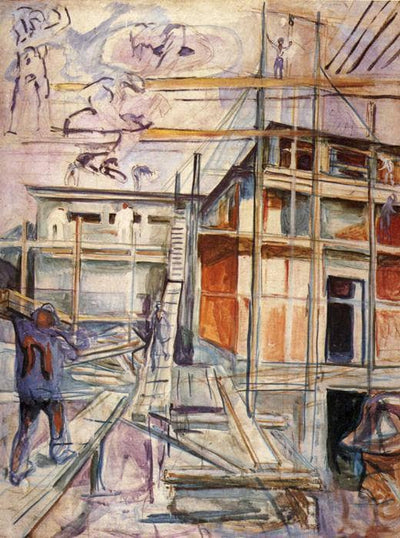
"Building the Winter Studio" embodies the essence of Expressionism, a movement that emphasizes emotional experience over physical reality. Munch's work often explores themes of anxiety, love, and existential dread. This painting, created in 1910, showcases his innovative approach to color and form, setting the stage for future artists. Munch's ability to convey complex emotions through simple structures marks a significant evolution in
modern art.
Edvard Munch: Life and Artistic Evolution
Munch's life was marked by personal tragedy, which deeply influenced his art. Born in 1863, he faced the loss of his mother and father at a young age. These experiences of grief and isolation permeate his work. "Building the Winter Studio" reflects Munch's journey as an artist, showcasing his transition from early
realism to a more expressive style. His exploration of psychological themes resonates with viewers, making his art timeless.
Visual Analysis of "Building the Winter Studio"
Color Palette: The Emotional Impact of Cool Tones
The color palette of "Building the Winter Studio" features cool blues and muted grays, evoking a sense of calm and introspection. Munch's use of color creates a chilling atmosphere that mirrors the winter setting. The cool tones not only depict the season but also symbolize the emotional distance and solitude that Munch often felt. This choice of colors enhances the painting's overall mood, inviting viewers to reflect on their own emotions.
Composition: The Structure and Balance of the Scene
Munch's composition in "Building the Winter Studio" is both structured and dynamic. The placement of the studio against the backdrop of snow-covered
trees creates a harmonious balance. The triangular shape of the building draws the eye upward, suggesting a connection between the earthly and the ethereal. This careful arrangement of elements reflects Munch's mastery of spatial relationships, allowing viewers to engage with the scene on multiple levels.
Brushwork Techniques: Capturing Emotion Through Texture
Munch's brushwork in "Building the Winter Studio" is expressive and textured. He employs thick, visible strokes that add depth and movement to the painting. This technique captures the essence of winter, as the brushwork mimics the swirling winds and falling snow. The texture invites viewers to feel the coldness of the scene, enhancing the emotional impact of the artwork. Munch's ability to convey feeling through technique is a hallmark of his style.
Thematic Elements in "Building the Winter Studio"
Isolation and Solitude: A Reflection of Munch's Inner World
Isolation is a central theme in "Building the Winter Studio." The solitary structure stands alone in a vast, snowy landscape, symbolizing Munch's own feelings of loneliness. This theme resonates with many who have experienced solitude, making the painting relatable. Munch's exploration of isolation reflects his inner struggles, inviting viewers to connect with their own experiences of being alone.
Nature and Architecture: The Relationship Between the Studio and Its Surroundings
The relationship between the studio and its natural surroundings is significant in Munch's work. The building, a place of creativity, contrasts with the harshness of winter. This juxtaposition highlights the tension between human endeavor and the power of
nature. Munch often depicted nature as both beautiful and intimidating, and "Building the Winter Studio" exemplifies this duality. The studio becomes a refuge amidst the cold, emphasizing the importance of creativity in overcoming adversity.
Winter Imagery: Symbolism of Cold and Reflection
Winter imagery in "Building the Winter Studio" serves as a powerful symbol of reflection and introspection. The cold landscape encourages contemplation, mirroring Munch's own search for meaning. Snow, often seen as pure and serene, also represents the emotional barriers that Munch faced. This duality invites viewers to explore their own feelings of vulnerability and resilience, making the painting a profound commentary on the human experience.
Comparative Analysis: Munch's Other Works
Contrasting "Building the Winter Studio" with "The Scream"
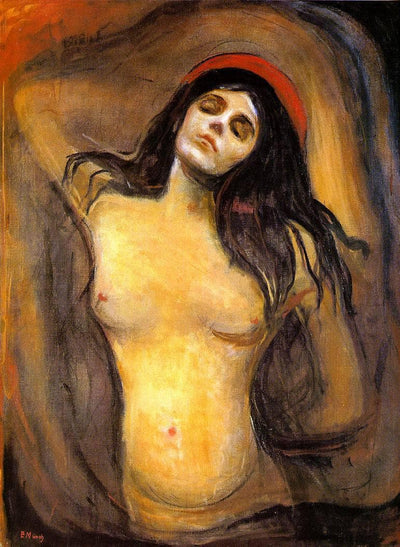
When comparing "Building the Winter Studio" to Munch's iconic "The Scream," distinct differences emerge. While "The Scream" captures raw anxiety and existential dread, "Building the Winter Studio" conveys a quieter, more introspective solitude. Both works reflect Munch's emotional landscape, yet they approach themes of isolation from different angles. This contrast highlights Munch's versatility as an artist and his ability to evoke a range of emotions.
Recurring Motifs: Nature and Human Emotion in Munch's Art
Nature plays a crucial role in Munch's oeuvre, often serving as a backdrop for human emotion. In "Building the Winter Studio," the snowy landscape mirrors the artist's internal struggles. This motif of nature as a reflection of human experience recurs throughout Munch's work, creating a cohesive narrative. By examining these motifs, viewers gain insight into Munch's perspective on life and the human condition.
Evolution of Style: From Early Works to Later Masterpieces
Munch's style evolved significantly over his career. Early works display a more realistic approach, while later pieces, like "Building the Winter Studio," embrace abstraction and emotional expression. This evolution reflects Munch's growing understanding of the psychological aspects of art. His later works often prioritize emotional resonance over realistic representation, marking a shift that influenced generations of artists.
Impact and Legacy of "Building the Winter Studio"
Influence on Modern Art: Munch's Lasting Legacy
"Building the Winter Studio" has left a lasting impact on modern art. Munch's exploration of emotion and psychological depth paved the way for future movements, including
Abstract Expressionism. Artists continue to draw inspiration from his ability to convey complex feelings through simple forms. Munch's legacy endures, as his work resonates with contemporary audiences seeking authenticity in art.
Critical Reception: How Art Critics View This Work Today
Art critics have praised "Building the Winter Studio" for its emotional depth and innovative use of color. Many view it as a significant contribution to the Expressionist movement. Critics often highlight Munch's ability to evoke feelings of solitude and reflection, making the painting relevant in today's art discourse. This positive reception underscores Munch's importance in the art world and his continued influence on artists.
Exhibitions and Collections: Where to Experience Munch's Art
"Building the Winter Studio" is part of various prestigious collections, including the Munch Museum in Oslo. Visitors can experience Munch's work firsthand, gaining insight into his artistic vision. Exhibitions often showcase his evolution as an artist, allowing viewers to appreciate the depth of his contributions. Engaging with Munch's art in person offers a unique perspective that enhances understanding and appreciation.
First-Hand Experience: Viewing "Building the Winter Studio"
Visiting the Munch Museum: A Personal Journey
A visit to the Munch Museum provides an intimate experience with "Building the Winter Studio." The museum's layout allows for close examination of Munch's techniques and themes. Visitors often find themselves immersed in the emotional landscape of his work, creating a personal connection to the art. This journey through Munch's world is both enlightening and transformative.
Emotional Reactions: What the Painting Evokes in Viewers
Viewers often report a range of emotional reactions when encountering "Building the Winter Studio." The painting evokes feelings of solitude, contemplation, and even nostalgia. Many find themselves reflecting on their own experiences of isolation and creativity. Munch's ability to tap into universal emotions makes this work resonate deeply with audiences, fostering a shared understanding of the human experience.
Art Appreciation: Engaging with Munch's Vision
To fully appreciate "Building the Winter Studio," viewers should engage with Munch's vision. Observing the details, such as brushwork and color choices, enhances understanding of the emotional depth. Taking time to reflect on the themes of isolation and nature allows for a richer experience. Munch's art invites viewers to explore their own feelings, making each encounter unique and personal.
FAQs About "Building the Winter Studio"
What inspired Edvard Munch to create "Building the Winter Studio"?
Munch was inspired by his own experiences of solitude and the beauty of the Norwegian winter landscape. The painting reflects his desire to capture the emotional essence of winter.
How does "Building the Winter Studio" reflect Munch's personal experiences?
The painting mirrors Munch's feelings of isolation and introspection, drawing from his tumultuous life and emotional struggles.
What are the main themes explored in "Building the Winter Studio"?
Key themes include isolation, the relationship between nature and architecture, and the symbolism of winter as a time for reflection.
How does the painting compare to Munch's other famous works?
Unlike "The Scream," which expresses raw anxiety, "Building the Winter Studio" conveys a quieter sense of solitude and contemplation.
What techniques did Munch use in "Building the Winter Studio"?
Munch employed expressive brushwork and a cool color palette to evoke emotion and create a textured, immersive experience.
What should I know about the reproduction of "Building the Winter Studio"?
Art reproductions of "Building the Winter Studio" offer a superior experience compared to prints. They capture the texture and depth of the original painting, allowing for a more authentic appreciation of Munch's work.
How can I best appreciate the details in a reproduction of Munch's work?
To appreciate a reproduction, focus on the brushwork, color variations, and emotional undertones. Engaging with these details enhances your understanding of Munch's artistic vision.
 4.9/5
4.9/5