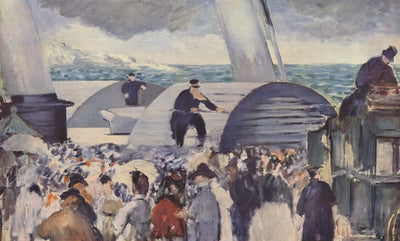
Discovering "Embarkation after Folkestone" by Edouard Manet
Historical Context of Manet's Masterpiece
The Influence of Impressionism on Manet's Work
Edouard Manet, a pivotal figure in the
Impressionist movement, created "Embarkation after Folkestone" in 1869. This painting showcases his innovative approach to capturing light and atmosphere. Manet's use of loose brushwork and vibrant colors reflects the Impressionist desire to depict fleeting moments in time. His work often blurred the lines between
realism and
impressionism, making him a
bridge between traditional and
modern art.
Manet's Role in the 19th Century Art Movement
Manet was a revolutionary artist who challenged the conventions of 19th-century art. He was often at odds with the established art community, which favored historical and mythological subjects. His bold choices in subject matter and technique paved the way for future artists. "Embarkation after Folkestone" exemplifies his role as a trailblazer, as it captures contemporary life and the essence of modernity.
Significance of the English Channel in Art History
The English Channel has long been a symbol of transition and adventure in art. It represents the connection between England and France, two nations rich in artistic heritage. Manet's depiction of this maritime scene reflects the era's fascination with travel and exploration. The Channel serves as a backdrop for themes of departure, longing, and the unknown, making it a powerful element in the painting.
Visual Analysis of "Embarkation after Folkestone"
Color Palette: The Use of Blues and Greens
Manet's color palette in "Embarkation after Folkestone" is dominated by soothing blues and vibrant greens. These colors evoke the tranquility of the
sea and
sky, creating a serene atmosphere. The interplay of light and shadow enhances the depth of the scene, drawing viewers into the moment. The colors also symbolize the hope and anticipation associated with travel.
Brushwork Techniques: Capturing Movement and Emotion
Manet's brushwork is both expressive and dynamic. He employs quick, loose strokes to convey the movement of the figures and the gentle waves of the Channel. This technique captures the energy of the scene, making it feel alive. The emotional resonance of the painting is heightened by the way Manet portrays the figures in motion, suggesting a sense of urgency and excitement.
Composition: Balancing Figures and Landscape
The composition of "Embarkation after Folkestone" is masterfully balanced. Manet arranges the figures in a way that guides the viewer's eye across the canvas. The foreground features passengers preparing to board, while the background reveals the expansive sea and sky. This balance creates a harmonious relationship between the human experience and the natural world, emphasizing the theme of journey.
Thematic Exploration of Departure and Journey
Symbolism of Departure in 19th Century Art
Departure is a powerful theme in 19th-century art, symbolizing change and new beginnings. In "Embarkation after Folkestone," Manet captures the essence of this theme through the act of boarding a vessel. The painting reflects the societal shifts of the time, as more people began to travel for leisure and commerce. This sense of movement resonates with viewers, inviting them to reflect on their own journeys.
Emotional Resonance: Anticipation and Farewell
The emotional undertones of "Embarkation after Folkestone" are palpable. The figures exhibit a mix of anticipation and melancholy, embodying the bittersweet
nature of farewells. Manet's ability to convey these complex emotions adds depth to the painting. Viewers can sense the excitement of adventure intertwined with the sadness of leaving loved ones behind.
Connection to Maritime Culture and Travel
Manet's painting reflects the growing maritime culture of the 19th century. The English Channel was a vital route for trade and travel, connecting diverse cultures. "Embarkation after Folkestone" captures this spirit of exploration and the allure of the sea. The painting serves as a tribute to the era's fascination with maritime adventures and the transformative power of travel.
Notable Figures and Characters in the Painting
Identifying the Figures: Who Are They?
In "Embarkation after Folkestone," Manet depicts a variety of figures, each contributing to the narrative of the scene. The passengers represent different social classes, showcasing the diversity of travelers during this period. Their expressions and postures tell stories of their own, inviting viewers to speculate about their backgrounds and destinations.
Social Class and Identity in Manet's Work
Manet often explored themes of social class and identity in his art. In this painting, the figures' attire and demeanor reflect their social status. The contrast between the well-dressed passengers and the working-class figures highlights the social dynamics of the time. Manet's portrayal of these interactions invites viewers to consider the complexities of identity and class in 19th-century society.
Interactions and Relationships Depicted
The relationships between the figures in "Embarkation after Folkestone" are subtle yet significant. Manet captures moments of connection and separation, emphasizing the human experience of travel. The interactions suggest a shared journey, whether physical or emotional. This focus on relationships adds a layer of intimacy to the painting, making it relatable to viewers.
Manet's Artistic Techniques and Innovations
Use of Light and Shadow: Chiaroscuro in Action
Manet's mastery of chiaroscuro is evident in "Embarkation after Folkestone." He skillfully uses light and shadow to create depth and dimension. The play of light on the figures and water enhances the realism of the scene. This technique draws attention to the focal points of the painting, guiding the viewer's gaze.
Innovative Perspectives: A New Way to View Art
Manet's approach to perspective was groundbreaking. He often employed unusual angles and viewpoints, challenging traditional compositions. In "Embarkation after Folkestone," the perspective invites viewers to feel as if they are part of the scene. This immersive quality makes the painting more engaging and encourages a personal connection with the artwork.
Influence of Photography on Manet's Style
Photography had a profound impact on Manet's artistic style. The ability to capture moments in time influenced his approach to composition and subject matter. In "Embarkation after Folkestone," the snapshot-like quality of the scene reflects this influence. Manet's work embodies the spirit of modernity, merging traditional painting techniques with the emerging art of photography.
Comparative Analysis with Other Works by Manet
Contrasting "Embarkation after Folkestone" with "Olympia"
When comparing "Embarkation after Folkestone" to Manet's iconic "Olympia," distinct differences emerge. While "Olympia" challenges societal norms and explores themes of femininity, "Embarkation after Folkestone" focuses on the collective experience of travel. Both paintings, however, showcase Manet's innovative techniques and his ability to provoke thought.
Recurring Themes in Manet's Art: A Deeper Look
Manet's body of work often features recurring themes such as modernity, social commentary, and the human experience. "Embarkation after Folkestone" aligns with these themes, emphasizing the significance of travel and departure. By examining these themes across his works, viewers can gain a deeper understanding of Manet's artistic vision and the societal context of his time.
Evolution of Manet's Style Over Time
Manet's style evolved significantly throughout his career. Early works displayed a more traditional approach, while later pieces embraced Impressionist techniques. "Embarkation after Folkestone" represents a pivotal moment in this evolution, showcasing his transition towards a more modern aesthetic. This evolution reflects the broader changes in the art world during the 19th century.
Legacy and Impact of "Embarkation after Folkestone"
Influence on Future Generations of Artists
"Embarkation after Folkestone" has left a lasting legacy on future generations of artists. Its innovative techniques and themes of modernity inspired countless painters. Artists such as
Claude Monet and Pierre-Auguste Renoir drew from Manet's work, further developing the Impressionist movement. The painting continues to resonate with contemporary artists exploring similar themes.
Reception and Critique: How It Was Initially Viewed
Upon its release, "Embarkation after Folkestone" received mixed reviews. Some critics praised Manet's boldness and originality, while others dismissed it as unfinished. Over time, however, the painting gained recognition for its artistic significance. Today, it is celebrated as a masterpiece that captures the essence of 19th-century life.
Current Place in Art History and Museums
Today, "Embarkation after Folkestone" holds a prominent place in art history. It is housed in the prestigious Musée d'Orsay in Paris, where it attracts art lovers from around the world. The painting is a testament to Manet's genius and his contributions to the evolution of modern art. Its presence in the museum underscores its importance in the narrative of art history.
FAQs about "Embarkation after Folkestone"
What inspired Edouard Manet to create "Embarkation after Folkestone"?
Manet was inspired by the bustling activity of travelers at the Folkestone port. He sought to capture the excitement and anticipation of departure, reflecting the growing interest in travel during the 19th century.
What are the main themes depicted in the painting?
The main themes include departure, journey, and the emotional complexities of travel. Manet explores the anticipation and farewells associated with embarking on a voyage.
How does "Embarkation after Folkestone" reflect the social context of its time?
The painting reflects the increasing mobility of society in the 19th century. It captures the diverse social classes that traveled and the cultural exchanges that occurred through maritime journeys.
What techniques did Manet use to create depth in the painting?
Manet employed chiaroscuro to create depth, using light and shadow to enhance the three-dimensionality of the figures and landscape. His brushwork also contributes to the sense of movement and realism.
Where can I see the original "Embarkation after Folkestone" today?
The original painting is on display at the Musée d'Orsay in Paris, France. It is part of the museum's extensive collection of Impressionist and Post-Impressionist masterpieces.
FAQs about the Painting Reproduction
What should I consider when purchasing a reproduction of this painting?
When purchasing a reproduction, consider the quality of materials used, the accuracy of colors, and the level of detail. Look for reproductions that use high-quality canvas and paints to ensure longevity.
How can I ensure the quality of the reproduction matches the original?
Choose a reputable seller who specializes in art reproductions. Look for reviews and examples of their work to ensure they capture the essence and details of the original painting accurately. Unlike prints, painting reproductions offer a richer texture and depth, making them a superior choice for art lovers.
 4.9/5
4.9/5