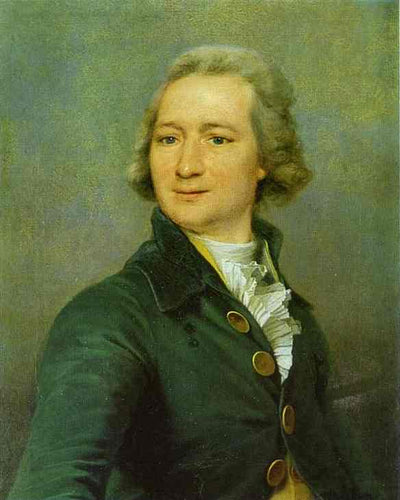
Exploring the Artistic Mastery of Dmitry Levitzky
Biography of Dmitry Levitzky: A Pioneer of Russian Portraiture
Early Life and Artistic Influences
Dmitry Levitzky was born in 1735 in the vibrant
city of St. Petersburg, Russia. He grew up in a culturally rich environment that nurtured his artistic talents. Influenced by the
Baroque and
Rococo styles, Levitzky developed a keen interest in
portrait painting. His early exposure to the works of European masters, such as
Anton Raphael Mengs and Jean-Baptiste-Siméon Chardin, shaped his unique approach to
realism.
Key Contributions to 18th Century Art
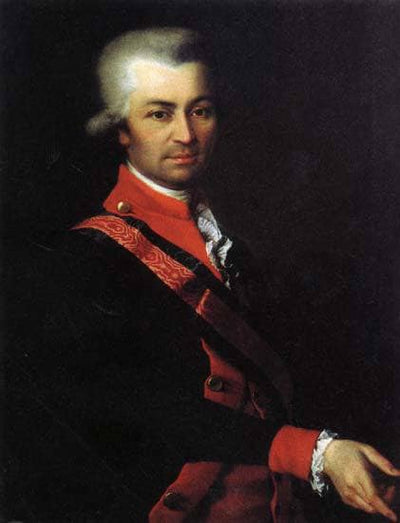
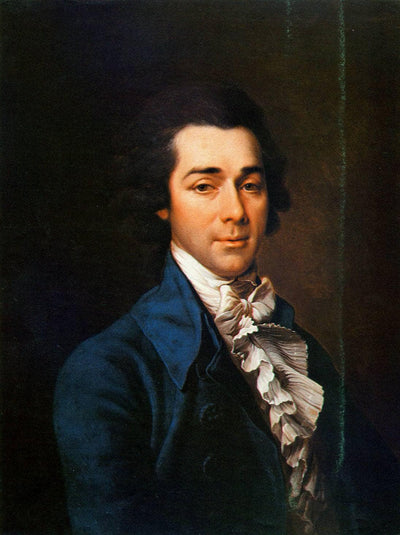
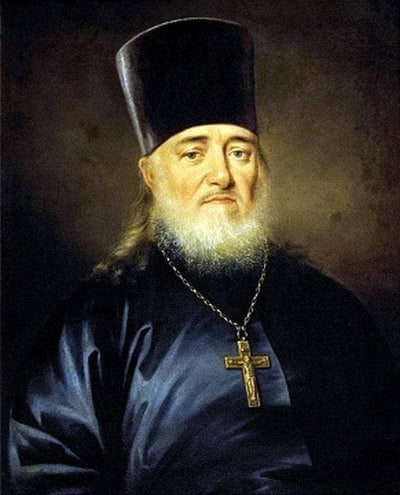
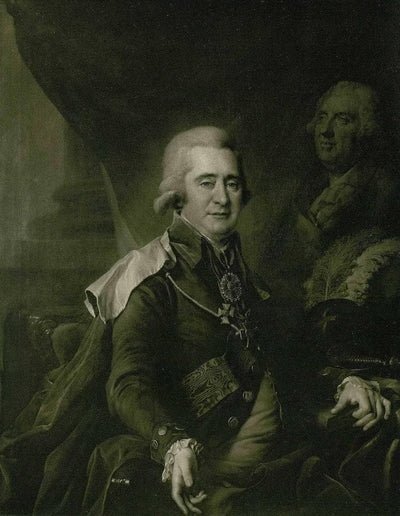
Levitzky became a prominent figure in 18th-century Russian art, known for his ability to capture the essence of his subjects. His portraits often depicted the Russian nobility, showcasing their status and personality. He played a crucial role in establishing a distinct Russian style of portraiture that combined Western techniques with local traditions.
Signature Style: Realism and Emotional Depth
Levitzky's signature style is characterized by realism and emotional depth. He skillfully portrayed the inner lives of his subjects, using subtle expressions and gestures. His attention to detail in clothing and accessories added layers of meaning to his work, making each portrait a narrative of its own.
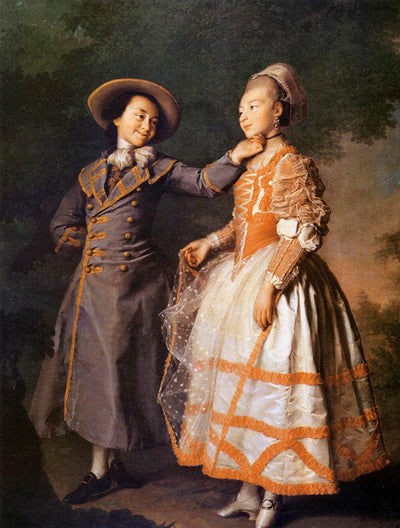
The Historical Context of "Portrait of E. N. Khruschova and Princess E. N. Khovanskaya"
Understanding the Russian Nobility in the 18th Century
The 18th century was a transformative period for the Russian nobility. The rise of the aristocracy brought about complex social hierarchies. Nobles wielded significant power, influencing politics, culture, and the arts. This era saw the emergence of a distinct Russian identity, shaped by both Western influences and traditional values.
Social Hierarchies and Cultural Significance
The social structure of 18th-century Russia was rigid, with the nobility at the top. Portraits served as a means of self-promotion and social commentary. They reflected not only the wealth and status of the subjects but also their roles within the intricate tapestry of Russian society.
The Role of Portraiture in Nobility Representation
Portraiture became a vital tool for the Russian elite to assert their identity. It allowed them to immortalize their likeness and convey their social standing. Levitzky's portraits, including "Portrait of E. N. Khruschova and Princess E. N. Khovanskaya," exemplify this practice, blending artistry with social commentary.
In-Depth Analysis of the Painting's Composition
Visual Elements: Color, Light, and Texture
Levitzky's "Portrait of E. N. Khruschova and Princess E. N. Khovanskaya" is a masterclass in composition. The painting employs a harmonious color palette that enhances the emotional resonance of the subjects.
Color Palette: Symbolism and Emotional Resonance
The color palette features rich, deep hues that symbolize nobility and sophistication. The use of gold and deep reds evokes a sense of luxury, while softer tones in the background create a serene atmosphere. This careful selection of colors invites viewers to connect with the subjects on a deeper level.
Lighting Techniques: Creating Depth and Focus
Levitzky expertly uses lighting to create depth and focus. The soft illumination highlights the faces of Khruschova and Khovanskaya, drawing attention to their expressions. This technique not only enhances the three-dimensionality of the figures but also emphasizes their emotional states.
Textural Details: Fabric and Skin Representation
The textural details in the painting are remarkable. Levitzky's meticulous brushwork captures the intricate patterns of the fabrics worn by the subjects. The delicate rendering of skin tones adds a lifelike quality, making the figures appear almost tangible.
The Subjects: E. N. Khruschova and Princess E. N. Khovanskaya
Biographical Insights into E. N. Khruschova
E. N. Khruschova was a prominent figure in Russian society, known for her intelligence and grace. She played a significant role in the cultural life of her time, often hosting salons that brought together influential thinkers and artists.
Her Role in Society and Influence
Khruschova's influence extended beyond her social circle. She was a patron of the arts, supporting various artists and intellectuals. Her presence in the portrait reflects her status and the respect she commanded in the aristocratic community.
Personal Traits Reflected in the Portrait
The portrait captures Khruschova's poise and confidence. Her serene expression and elegant posture convey a sense of dignity. Levitzky's attention to her attire further emphasizes her noble status, showcasing the intricate details of her dress.
Princess E. N. Khovanskaya: A Noble Legacy
Princess E. N. Khovanskaya was another influential figure in Russian history. Her legacy is intertwined with the cultural and political developments of her time.
Her Impact on Russian Culture and Society
Khovanskaya was known for her philanthropic efforts and support of the arts. She played a crucial role in promoting education and culture among the nobility. Her contributions helped shape the cultural landscape of 18th-century Russia.
Symbolism of Her Attire and Accessories
The attire and accessories worn by Khovanskaya in the portrait are rich in
symbolism. The luxurious fabrics and ornate jewelry signify her high status and wealth. Each element of her outfit tells a story of nobility and grace, enhancing the overall narrative of the painting.
Symbolism and Themes in Levitzky's Work
Exploring Themes of Power and Femininity
Levitzky's work often explores themes of power and femininity. His portraits reflect the complexities of women's roles in 18th-century society.
Representation of Women in 18th Century Art
Women in 18th-century art were often depicted as symbols of virtue and grace. Levitzky's portrayal of Khruschova and Khovanskaya challenges these stereotypes by presenting them as strong, influential figures. This nuanced representation adds depth to the narrative of the painting.
Power Dynamics in Portraiture
The power dynamics in Levitzky's portraits are evident in the way he positions his subjects. The confident stances and direct gazes of Khruschova and Khovanskaya convey authority and presence. This portrayal reflects the shifting perceptions of women in society during this period.
Emotional Narratives: What the Portrait Conveys
Levitzky's portraits are rich in emotional narratives. The expressions and body language of the subjects tell stories that resonate with viewers.
Facial Expressions and Body Language
The subtle facial expressions of Khruschova and Khovanskaya reveal their personalities. Their poised demeanor and gentle smiles invite viewers to connect with their emotions. This emotional depth is a hallmark of Levitzky's artistry.
Interpersonal Relationships Depicted in Art
The relationship between the two subjects is palpable in the painting. Their close proximity and shared gaze suggest a bond of friendship and mutual respect. This interpersonal dynamic adds another layer of meaning to the artwork.
The Legacy of "Portrait of E. N. Khruschova and Princess E. N. Khovanskaya"
Influence on Future Generations of Artists
Levitzky's work has left a lasting impact on the art world. His techniques and approaches to portraiture continue to inspire artists today.
How Levitzky's Techniques Shaped Portraiture
Levitzky's emphasis on realism and emotional expression set a new standard for portrait painting. His ability to capture the essence of his subjects influenced many artists who followed in his footsteps. His legacy is evident in the works of later Russian portraitists.
Modern Interpretations and References
Contemporary artists often reference Levitzky's techniques and themes. His exploration of identity and emotion resonates with modern audiences, making his work relevant even today. The "Portrait of E. N. Khruschova and Princess E. N. Khovanskaya" remains a source of inspiration for artistic expression.
Current Location and Preservation Efforts
The original painting is housed in a prestigious museum, where it is preserved for future generations to admire.
Where to View the Original Painting Today
Art enthusiasts can view the "Portrait of E. N. Khruschova and Princess E. N. Khovanskaya" at the State Russian Museum in St. Petersburg. This museum is dedicated to preserving Russia's rich artistic heritage.
Conservation Techniques for Historical Artworks
Preservation efforts for historical artworks like Levitzky's portrait involve careful monitoring of environmental conditions. Experts use advanced techniques to restore and maintain the integrity of the painting, ensuring its survival for years to come.
Frequently Asked Questions (FAQs)
What is the significance of the subjects in the painting?
The subjects, E. N. Khruschova and Princess E. N. Khovanskaya, represent the influential women of 18th-century Russian society. Their portrayal highlights their roles as cultural patrons and social leaders.
How does Levitzky's style differ from other portrait artists of his time?
Levitzky's style is marked by a unique blend of realism and emotional depth. Unlike many of his contemporaries, he focused on capturing the inner lives of his subjects, making his portraits more relatable and engaging.
What techniques did Levitzky use to create lifelike portraits?
Levitzky employed techniques such as chiaroscuro to create depth and dimension. His meticulous attention to detail in fabric and skin tones contributed to the lifelike quality of his portraits.
What historical events influenced the creation of this painting?
The painting was created during a time of significant social change in Russia. The rise of the nobility and the influence of Western culture shaped the artistic landscape, prompting Levitzky to explore new themes in his work.
How does this painting reflect the culture of 18th century Russia?
The painting reflects the cultural values of 18th-century Russia, emphasizing the importance of social status and the role of women in society. It captures the essence of the aristocratic lifestyle and the complexities of interpersonal relationships.
What are the common features of Levitzky's portraits?
Common features of Levitzky's portraits include realistic facial expressions, detailed clothing, and a focus on emotional narratives. His ability to convey the personality of his subjects sets his work apart.
Are there any notable reproductions of this painting available?
Yes, there are high-quality oil painting reproductions of "Portrait of E. N. Khruschova and Princess E. N. Khovanskaya" available. These reproductions are superior to prints, capturing the intricate details and vibrant colors of the original artwork. They offer art lovers a chance to own a piece of history and appreciate Levitzky's mastery in their own homes.