 4.9/5
4.9/5






SAMPLES OF QUALITY
Recent Hand-Painted Reproductions
Discover some of our latest oil paintings, each one carefully hand-painted on canvas.

AS SEEN IN





Handmade Oil Painting on Canvas Art Reproduction, Museum-quality

The six dominant colors measured from the painting, with the share of canvas each one covers. Click a swatch to copy its hex code.
Processing & Shipping Time
Your delivery time includes two parts:
Shipping Methods
We ship with trusted couriers like FedEx, UPS, and DHL. Every shipment includes a tracking code.
Our goal is to deliver your order safely and quickly.
Shipment Safety Measures
We handle your products with care so they arrive in perfect condition:
Every product is insured and delivered right to your door, so you can feel confident buying from us.
Every Art & See painting is created by artists with 15+ years of experience using professional-grade oil paints and premium linen canvas with UV-resistant protective coating, the same museum-grade materials used in galleries worldwide. Each piece goes through quality review before your approval photos are taken. If after delivery you have any concerns about your painting, contact us at [email protected] and our team will work with you on the best path forward.
Full Warranty
Every painting is protected against physical damage during shipping. If your painting arrives damaged, we repair or replace it, free of charge.
Coverage Details
Transit damage (crushed, torn, water damage): we repair or replace at no cost. Please note that damages resulting from accidents or inappropriate use are not covered under this warranty.
Repair or Replace
Depending on the extent of damage, the affected painting will either be repaired or replaced at no additional cost to you.
Free Service
All warranty services are provided absolutely free of charge.
We want you to absolutely love your handmade artwork. Here's how it works:
In the rare case you approve the photos and the artwork has been shipped and delivered to you, and you still want additional modification requests, we can handle it as a courtesy at our discretion. If accepted, you cover the return shipping cost.
| Type | Hand-Painted Oil Painting Reproduction |
| Original Artist | Cristofano dell'Altissimo |
| Price Range | $350 to $1,150 |
| Shipping | Free Worldwide |
| Quality | Preview & Approve Before Shipping |
| Medium | Oil on Canvas |
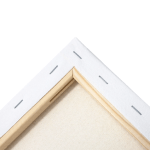
| Canvas | Museum-Grade Linen Canvas |
| Technique | Hand-painted brushstroke-by-brushstroke |
| Art Style | Early Renaissance |
| Artist Nationality | Italian |
| Orientation | Vertical |
| Subject | Portraits male |
| Available Sizes | 7 (16'' W × 21'' H to 52'' W × 67'' H, including the original size), plus custom sizes |
| Framing Options | Unframed, Stretched Canvas, Classic & Modern Frames |
| Delivery | 14–28 business days |
| Size | 45 × 58 cm (17.5 × 23 in) |
Suleiman the Magnificent, also known as Suleiman I, ruled the Ottoman Empire from 1520 to 1566. His reign marked a golden age for the empire, characterized by military conquests, cultural flourishing, and significant legal reforms. Suleiman expanded the empire's territory, reaching its zenith, and became a symbol of power and authority in the Islamic world. His leadership style and vision transformed the Ottoman Empire into a dominant force in Europe and the Middle East.
Under Suleiman's rule, the Ottoman Empire saw remarkable achievements in architecture, law, and the arts. He commissioned the construction of stunning structures like the Suleymaniye Mosque in Istanbul, showcasing the empire's architectural prowess. Suleiman also enacted the Kanun, a set of legal reforms that modernized the empire's legal system, balancing traditional Islamic law with contemporary needs. His patronage of the arts led to a vibrant cultural scene, influencing literature, music, and visual arts.
Cristofano dell'Altissimo employed advanced oil painting techniques to bring the Portrait of Suleiman to life. He used layering and glazing methods to create a rich depth and texture in the painting. This technique allowed for a luminous quality, enhancing the three-dimensionality of Suleiman's features and attire. The careful application of translucent layers added complexity to the colors, making the portrait visually striking.
The color palette in the Portrait of Suleiman is both vibrant and symbolic. Rich reds, deep greens, and golds dominate the canvas, reflecting the opulence of the Ottoman court. Each color choice carries meaning; for instance, red symbolizes power and courage, while green is often associated with Islam and paradise. The artist's skillful use of color not only captures Suleiman's regal presence but also conveys the cultural significance of the Ottoman Empire during the 16th century.
In the 16th century, portraiture served as a powerful tool for rulers to project their authority and legitimacy. The Portrait of Suleiman exemplifies this practice, showcasing the sultan in a commanding pose that emphasizes his status. Portraits were not merely artistic representations; they were political statements that reinforced the ruler's image and influence. This painting captures Suleiman's strength and wisdom, making it a vital piece of Ottoman history.
When compared to other Ottoman portraits, Cristofano dell'Altissimo's work stands out for its detailed realism and emotional depth. While many portraits of the time focused on idealized representations, this portrait captures Suleiman's unique character. The artist's attention to detail in facial expressions and attire sets it apart, making it a significant contribution to the genre of Ottoman portraiture.
The Portrait of Suleiman also reflects the influence of European art styles, particularly the Renaissance. Artists like dell'Altissimo incorporated techniques from Italian masters, blending them with traditional Ottoman elements. This fusion created a unique style that appealed to both Ottoman and European audiences, showcasing the interconnectedness of cultures during this period.
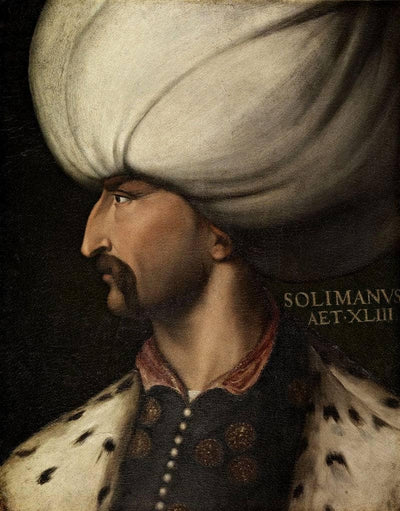
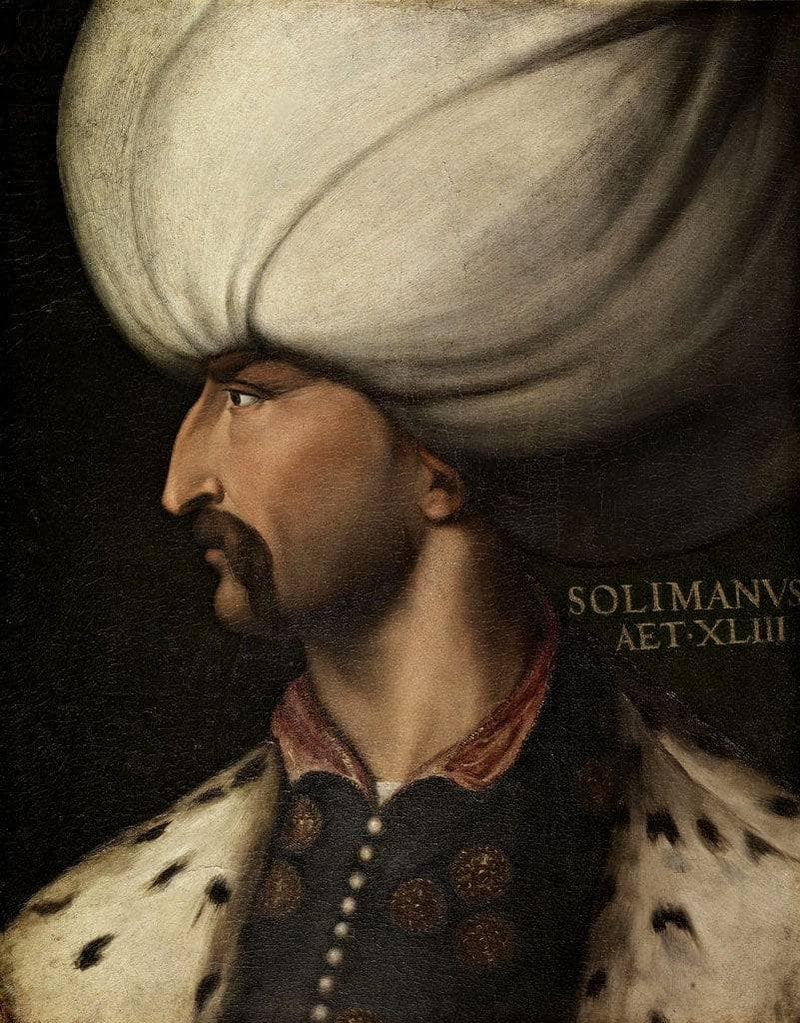
The attire and accessories in the Portrait of Suleiman are rich with symbolism. Suleiman wears an elaborate turban adorned with jewels, signifying his royal status and connection to Islamic tradition. His robes, intricately designed, reflect the wealth and sophistication of the Ottoman court. The background, often overlooked, features architectural elements that hint at the grandeur of the empire.
The turban is not just a fashion statement; it represents authority and leadership in Islamic culture. Suleiman's robes, embellished with gold thread, symbolize his wealth and power. Together, these elements create a visual narrative that speaks to his role as a sultan and a leader of the Islamic world.
Light plays a crucial role in the Portrait of Suleiman. The artist's use of light highlights Suleiman's facial features, drawing the viewer's attention to his expression. This technique enhances the emotional impact of the portrait, allowing viewers to connect with the sultan on a personal level. The interplay of light and shadow adds depth, making the painting come alive.
Cristofano dell'Altissimo was an Italian painter known for his exquisite portraiture during the Renaissance. Born in Florence, he became renowned for his ability to capture the likeness and character of his subjects. His work often blended Italian techniques with influences from the cultures he encountered, particularly during his time in the Ottoman Empire.
Dell'Altissimo played a significant role in the Renaissance art movement, contributing to the evolution of portrait painting. His attention to detail and innovative techniques set a standard for future artists. He was not only a painter but also a cultural ambassador, bridging the gap between Eastern and Western art traditions.
In addition to the Portrait of Suleiman, dell'Altissimo created numerous portraits of notable figures, including members of the Medici family. His works are celebrated for their lifelike quality and emotional depth. His contributions to portraiture have left a lasting impact on the art world, influencing generations of artists.
The Portrait of Suleiman offers a fascinating contrast to European portraits of the same era. While European portraits often emphasized individualism and psychological depth, Ottoman portraits focused on the collective identity of the empire. This difference highlights the cultural values and artistic priorities of each region.
Despite the differences, there are notable similarities between the Portrait of Suleiman and Renaissance portraits of European monarchs. Both styles emphasize the subject's power and status through elaborate attire and confident poses. The use of rich colors and detailed backgrounds further connects these artistic traditions, showcasing the shared influences of the time.
However, the representation of Suleiman diverges from European norms in its symbolism. While European portraits often focused on personal achievements, the Portrait of Suleiman emphasizes the grandeur of the Ottoman Empire. The symbols of power, such as the turban and robes, serve to reinforce Suleiman's role as a leader of a vast and diverse empire.
The Portrait of Suleiman was created during a time of great expansion and cultural flourishing in the Ottoman Empire. It reflects the sultan's power and the empire's influence in the 16th century.
Dell'Altissimo used oil painting techniques, including layering and glazing, to create depth and texture. His color choices were symbolic, enhancing the portrait's emotional impact.
The portrait captures Suleiman in a commanding pose, adorned in luxurious attire. This representation emphasizes his authority and the empire's grandeur during his reign.
Key symbols include Suleiman's turban, which signifies authority, and his richly decorated robes, representing wealth and power. The background elements also contribute to the overall symbolism of the portrait.
This portrait stands out for its emotional depth and realism compared to dell'Altissimo's other works. It showcases his ability to blend Italian techniques with Ottoman influences.
Suleiman's attire is significant as it reflects his royal status and the opulence of the Ottoman court. The intricate designs and rich colors symbolize his power and authority.
Yes, high-quality painting reproductions of the Portrait of Suleiman are available. These reproductions capture the intricate details and vibrant colors, making them superior to standard prints.
To appreciate the details in the reproduction, take time to observe the textures, colors, and brushwork. Notice how the artist's techniques create depth and emotion, bringing Suleiman's character to life.

Discover some of our latest oil paintings, each one carefully hand-painted on canvas.
At Art & See, we're committed to delivering the highest quality art reproductions. Our team of expert artists and state-of-the-art processes ensure that each piece is a masterpiece in its own right.

Experience your masterpiece's creation through daily photos from our expert artists, each with 15+ years of experience.

Your artwork travels first class via UPS, FedEx, or DHL, protected by museum-grade packaging for safe delivery.

Review unedited photos of your finished painting and request unlimited free revisions before it ships. We only ship when you say it's perfect.

Every piece is crafted with archival materials, UV-resistant finishes, and premium British paints to last generations.
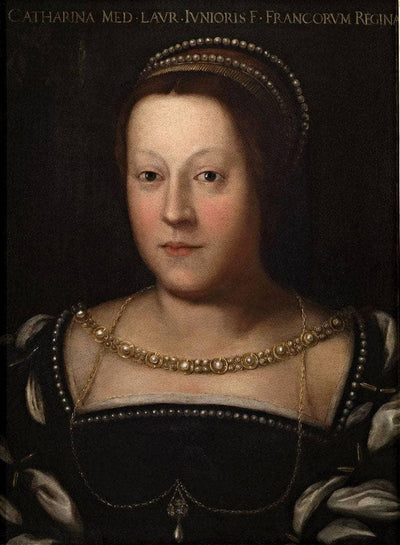
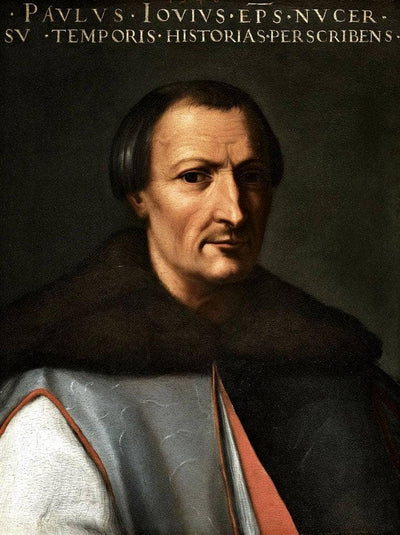
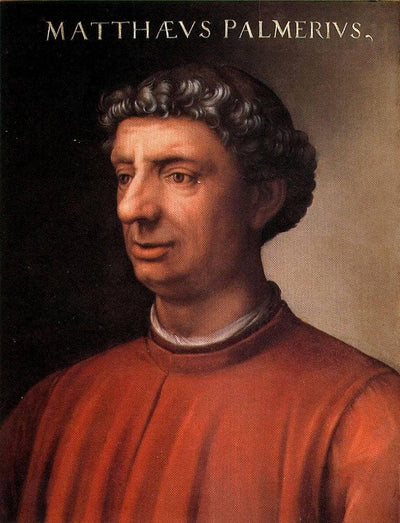
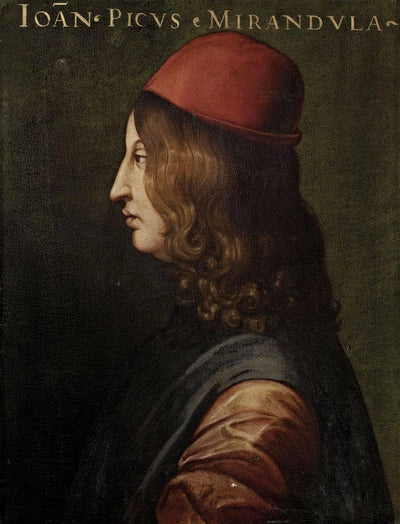
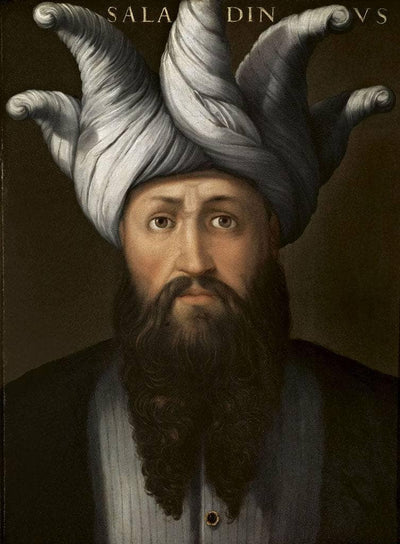
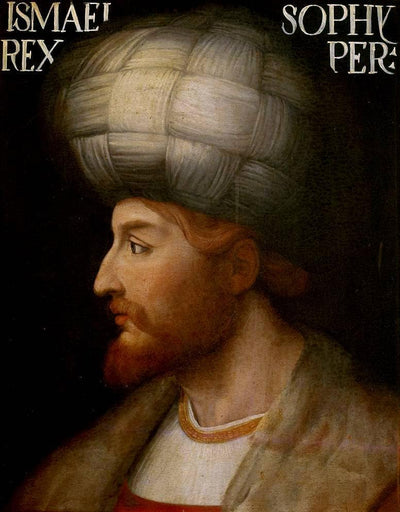
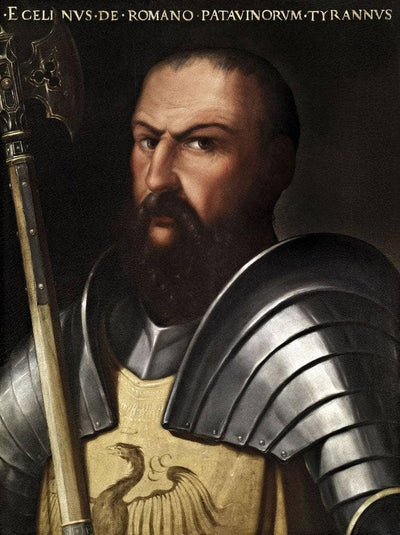
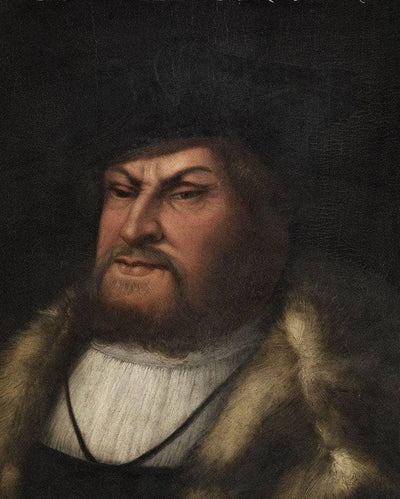
Yes, 100% hand-painted with oil on canvas by artists with 15+ years of experience. No prints, no digital shortcuts. You'll see and feel real brushstrokes, just like the original Cristofano dell'Altissimo masterpiece.
Your Portrait of Suleiman reproduction takes 2–5 weeks to hand-paint depending on size and detail. Once approved, shipping takes 5–8 days via FedEx, UPS, or DHL with full tracking. Free worldwide shipping included.
Absolutely. Once your Portrait of Suleiman is complete, we send you unedited photos, a full view and close-up details. Request unlimited free revisions until you're 100% satisfied. We don't ship until you say "yes."
Every painting goes through our Preview & Approve process: you receive unedited photos of your finished Cristofano dell'Altissimo reproduction and can request unlimited free revisions before it ships. We only ship when you say it's perfect. If after delivery you have any concerns, contact us at [email protected] and our team will work with you on the best path forward.
Professional-grade oil paints (Windsor & Newton) on premium linen canvas with UV-resistant protective coating. Museum-grade materials built to last generations, the same quality used in galleries worldwide.
Our artists specialize in Cristofano dell'Altissimo's technique: color accuracy, brushwork, and composition are matched to the original. Every reproduction goes through quality review before your approval photos are taken.
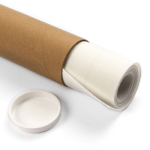
Every painting is insured and delivered door-to-door. Unframed paintings ship in protective hard tubes. Framed paintings are bubble-wrapped in sturdy boxes. If anything arrives damaged, we repair or replace it free.
Dive into the vibrant world of Historic Art. Discover your next painting today.
