Exploring the Masterpiece: Portrait of Nicolas Fouquet by Charles Le Brun
Historical Context of the 17th Century France
The Reign of Louis XIV and Its Influence on Art
The 17th century in France was a time of grandeur and transformation, marked by the reign of Louis XIV, known as the Sun King. His rule from 1643 to 1715 was characterized by absolute monarchy and a flourishing of the arts. Louis XIV believed that art should serve the state, leading to the establishment of the Royal Academy of Painting and Sculpture in 1648. This period saw the rise of Baroque art, which emphasized drama, movement, and emotional intensity. Artists like Charles Le Brun became central figures in this artistic revolution, creating works that celebrated the power and glory of the French monarchy.
Fouquet's Role in the French Court
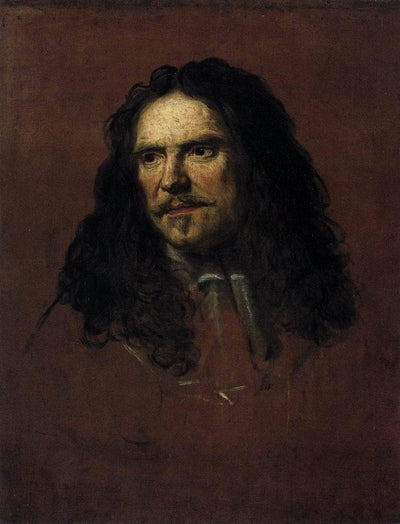
Nicolas Fouquet, the Superintendent of Finances, played a crucial role in the French court during this opulent era. He was a patron of the arts and a close associate of Louis XIV. Fouquet's lavish lifestyle and extravagant parties at his chateau, Vaux-le-Vicomte, showcased his wealth and influence. However, his ambition ultimately led to his downfall. In 1661, he was arrested and imprisoned for embezzlement, a fate that underscored the precarious nature of power in the royal court. This portrait by Le Brun captures not only Fouquet's likeness but also the essence of his complex relationship with the king and the court.
Charles Le Brun: The Visionary Behind the Portrait
Le Brun's Artistic Journey and Style
Charles Le Brun was a prominent French painter and the chief artist of Louis XIV. His artistic journey began in the workshops of renowned artists, where he honed his skills in drawing and composition. Le Brun's style is characterized by its grandeur and meticulous attention to detail. He often infused his works with a sense of movement and emotion, making them resonate with viewers. His ability to convey the psychological depth of his subjects set him apart from his contemporaries.
Influences and Techniques of the Baroque Era
Le Brun's work was heavily influenced by the Baroque movement, which emphasized dramatic contrasts and rich colors. He employed techniques such as chiaroscuro, which uses light and shadow to create depth. His portraits often featured elaborate backgrounds and intricate details that enhanced the narrative quality of the artwork. Le Brun's mastery of these techniques allowed him to create compelling images that captured the essence of his subjects, making him a pivotal figure in the history of French art.
In-Depth Analysis of the Portrait's Composition
Color Palette: Symbolism and Emotion
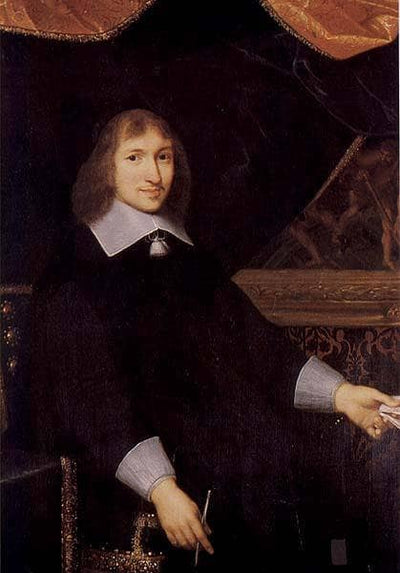
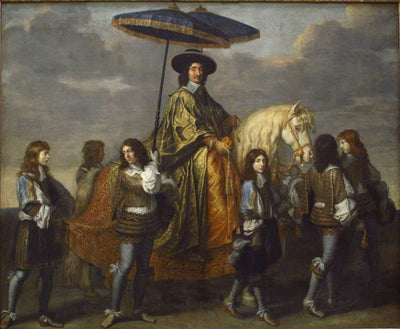
The color palette of the Portrait of Nicolas Fouquet is rich and vibrant, reflecting the opulence of the 17th century. Le Brun used deep blues, rich reds, and golds to symbolize power and prestige. The colors evoke a sense of grandeur, aligning with Fouquet's status as a high-ranking official. Each hue is carefully chosen to convey emotion and significance, drawing the viewer into the world of the French court.
Facial Expression: Capturing the Essence of Nicolas Fouquet
Fouquet's facial expression in the portrait is one of confidence and ambition. Le Brun skillfully captures the nuances of his subject's character, revealing a man who is both proud and contemplative. The slight smile and direct gaze invite viewers to ponder Fouquet's thoughts and aspirations. This psychological depth adds layers to the portrait, making it more than just a representation of a man; it becomes a window into his soul.
Attire and Accessories: A Reflection of Status and Power
The attire worn by Nicolas Fouquet in the portrait is lavish and meticulously detailed. He dons a luxurious velvet coat adorned with intricate embroidery, symbolizing his wealth and status. The accessories, including a jeweled sash and ornate collar, further emphasize his high rank in society. Le Brun's attention to these details not only showcases Fouquet's opulence but also serves as a commentary on the power dynamics of the French court.
The Significance of the Portrait in Art History
Fouquet's Legacy and Its Impact on French Culture
Nicolas Fouquet's legacy extends beyond his financial misdeeds. His patronage of the arts significantly influenced French culture. The construction of Vaux-le-Vicomte, a masterpiece of Baroque architecture, set a standard for future royal projects, including the Palace of Versailles. This portrait by Le Brun immortalizes Fouquet's contributions to the arts, making it a significant piece in the narrative of French history.
Comparative Analysis with Other Portraits of the Era
When compared to other portraits of the era, Le Brun's work stands out for its psychological depth and emotional resonance. Unlike the more rigid and formal portraits of previous generations, this painting captures a moment of introspection. It invites viewers to engage with the subject on a personal level, a technique that would influence future portrait artists. The dynamic composition and rich detail set a new standard for portraiture in the Baroque period.
Artistic Techniques Employed by Le Brun
Brushwork and Texture: Creating Depth and Realism
Le Brun's brushwork in the Portrait of Nicolas Fouquet is both precise and expressive. He employed a technique that layered paint to create texture, giving the portrait a lifelike quality. The subtle variations in brush strokes add depth to the fabric of Fouquet's attire and the background, enhancing the overall realism of the piece. This attention to detail showcases Le Brun's skill and dedication to his craft.
Lighting and Shadow: Enhancing the Dramatic Effect
The use of lighting and shadow in this portrait is masterful. Le Brun strategically placed light to highlight Fouquet's face and attire, drawing the viewer's eye to the subject. The shadows create a sense of depth and drama, enhancing the emotional impact of the portrait. This technique not only showcases Le Brun's understanding of light but also adds a theatrical quality to the artwork.
The Portrait's Journey: From Creation to Modern Day
Commissioning the Portrait: The Story Behind the Artwork
The Portrait of Nicolas Fouquet was commissioned during a time of great political and social change in France. Fouquet sought to solidify his status and influence through this portrait, believing it would enhance his reputation at court. Le Brun's ability to capture the essence of his subject made him the ideal choice for this important commission. The resulting artwork became a symbol of Fouquet's ambition and the complexities of court life.
Preservation and Restoration Efforts Over the Centuries
Over the centuries, the portrait has undergone various preservation and restoration efforts to maintain its integrity. Art historians and conservators have worked diligently to restore the colors and details that have faded over time. These efforts ensure that future generations can appreciate Le Brun's masterpiece in its full glory. The painting's journey reflects the enduring value of art and its ability to connect us to the past.
Understanding the Cultural Impact of the Portrait
Fouquet's Downfall: The Role of the Portrait in His Life
The Portrait of Nicolas Fouquet is not just a representation of a man; it also tells the story of his rise and fall. After his arrest, the portrait became a symbol of his ambition and the dangers of power. It serves as a reminder of the precarious nature of status in the royal court. The painting's legacy is intertwined with Fouquet's life, making it a poignant reflection on the consequences of ambition.
Art as a Reflection of Power Dynamics in Society
This portrait exemplifies how art can reflect the power dynamics of society. Le Brun's portrayal of Fouquet captures the essence of a man who navigated the treacherous waters of the French court. The artwork serves as a commentary on the relationship between art, power, and identity. It invites viewers to consider how art can shape and reflect societal values and hierarchies.
Frequently Asked Questions About the Portrait of Nicolas Fouquet
What is the historical significance of Nicolas Fouquet?
Nicolas Fouquet was a key figure in 17th century France, known for his role as Superintendent of Finances and his patronage of the arts. His lavish lifestyle and eventual downfall highlight the complexities of power in the French court.
How did Charles Le Brun's style influence other artists?
Le Brun's dramatic use of color, light, and emotional depth influenced many artists of his time and beyond. His techniques set a new standard for portraiture, inspiring future generations to explore similar themes in their work.
What materials did Le Brun use for this portrait?
Le Brun typically used oil paints on canvas for his portraits. This medium allowed him to achieve rich colors and intricate details, enhancing the overall impact of the artwork.
Where can I view the original Portrait of Nicolas Fouquet?
The original portrait is housed in the Musée de Versailles, where it can be appreciated alongside other masterpieces of the Baroque era. Visitors can explore the rich history of French art and culture in this magnificent setting.
What themes are explored in the painting?
The portrait explores themes of power, ambition, and the complexities of identity. It reflects the societal dynamics of 17th century France and the personal struggles of its subject, Nicolas Fouquet.
How does this portrait compare to other royal portraits of the time?
Unlike many formal royal portraits, Le Brun's work captures a moment of introspection and emotional depth. This approach sets it apart, making it a unique representation of its time and a significant contribution to the genre of portraiture.
FAQs About the Painting Reproduction
What should I consider when purchasing a reproduction of this painting?
When purchasing a reproduction of the Portrait of Nicolas Fouquet, consider the quality of materials used, the level of detail, and the artist's technique. A high-quality reproduction will capture the essence of the original artwork.
How can I ensure the quality of the reproduction?
To ensure quality, look for reproductions created by skilled artists who specialize in oil painting techniques. Check for reviews and testimonials to gauge the reputation of the seller.
Are there different styles of reproductions available for this artwork?
Yes, reproductions can vary in style, from traditional oil paintings that closely mimic the original to more modern interpretations. Choose a style that resonates with your personal taste and complements your decor.
 4.8/5
4.8/5