


Exploring the Grandeur of Rome: The Basilica of Constantine by Camille Corot
Historical Context of the Basilica of Constantine
The Architectural Marvel of Ancient Rome
The Basilica of Constantine, also known as the Basilica Maxentius, stands as a testament to the engineering prowess of ancient Rome. Constructed between 306 and 312 AD, it was one of the largest buildings in the Roman Forum. Its grand arches and expansive vaults showcase the innovative use of concrete, a material that revolutionized Roman architecture. This basilica was not just a place of worship; it served as a political and social hub, reflecting the power dynamics of its time.
Significance in Early Christian Architecture
As one of the earliest examples of Christian architecture, the Basilica of Constantine played a crucial role in the transition from pagan temples to Christian churches. Its design influenced the layout of future basilicas, emphasizing the importance of the nave and apse. The structure's massive scale and grandeur symbolized the growing power of Christianity in the Roman Empire, paving the way for the development of ecclesiastical architecture in the Middle Ages.
Influence on Later Renaissance Structures
The Basilica of Constantine inspired many
Renaissance architects, including
Michelangelo and Bramante. Its harmonious proportions and innovative use of space can be seen in iconic structures like St. Peter's Basilica in Vatican
City. The basilica's legacy continues to resonate in modern architecture, reminding us of the enduring impact of ancient Roman design principles.
Camille Corot: The Master Behind the Canvas
Corot's Artistic Journey and Style Evolution
Camille Corot, a pivotal figure in the Barbizon School, began his artistic journey in the early 19th century. Initially influenced by
neoclassicism, he gradually embraced
realism and
impressionism. His ability to capture the essence of landscapes and architecture set him apart from his contemporaries. Corot's works often reflect a deep appreciation for
nature, which he skillfully integrated into his depictions of historical sites.
Influences of the Barbizon School on Corot's Work
The Barbizon School emphasized painting en plein air, or outdoors, which profoundly influenced Corot's approach. This movement sought to depict nature with authenticity and emotional depth. Corot's landscapes often feature soft, natural light and a focus on atmospheric effects, showcasing his mastery of capturing fleeting moments in time.
Corot's Unique Approach to Landscape and Architecture
Corot's paintings, including the Basilica of Constantine, reveal his unique ability to blend
architectural elements with natural landscapes. He often portrayed buildings as integral parts of the environment, highlighting their relationship with the surrounding scenery. This approach not only enhances the visual appeal of his works but also invites viewers to contemplate the harmony between man-made structures and nature.
Visual Analysis of the Painting
Color Palette: Earthy Tones and Their Symbolism
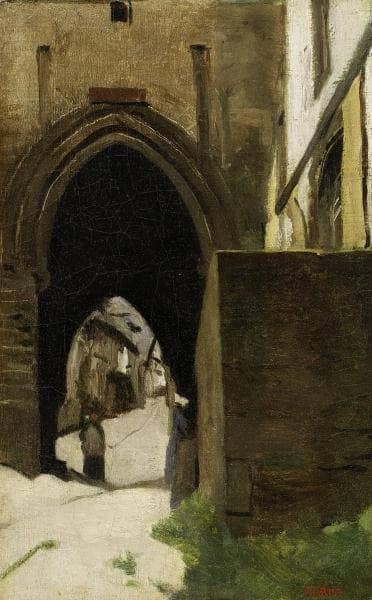
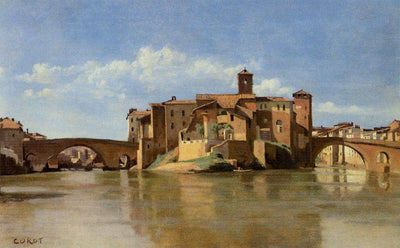
In the Basilica of Constantine, Corot employs a rich color palette dominated by earthy tones. The warm browns and greens evoke a sense of tranquility and connection to the earth. These colors symbolize stability and permanence, reflecting the enduring nature of the basilica itself. The subtle variations in hue create a harmonious balance that draws the viewer into the scene.
Composition: Balancing Nature and Man-Made Structures
Corot's composition masterfully balances the grandeur of the basilica with the surrounding landscape. The building stands majestically against a backdrop of lush
trees and soft
clouds. This interplay between architecture and nature invites viewers to appreciate both the human achievement of the basilica and the beauty of the natural world.
Light and Shadow: Creating Depth and Atmosphere
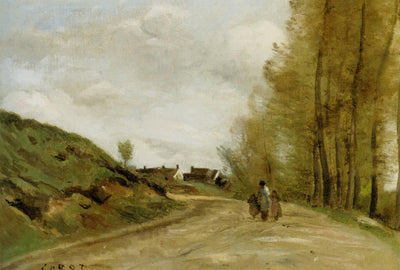
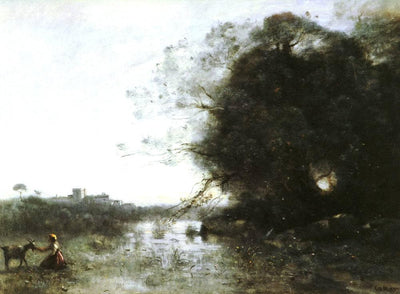
Light plays a crucial role in Corot's depiction of the Basilica of Constantine. He skillfully uses light and shadow to create depth and atmosphere. The dappled sunlight filtering through the trees adds a sense of movement and life to the painting. This technique enhances the viewer's experience, making them feel as if they are standing in the scene.
Thematic Elements in the Basilica of Constantine
Spirituality and Sacred Spaces in Art
The Basilica of Constantine embodies themes of spirituality and sacredness. Corot captures the essence of this historical site, inviting viewers to reflect on its significance as a place of worship. The painting evokes a sense of reverence, reminding us of the basilica's role in the spiritual life of early Christians.
Nature's Role in Enhancing Architectural Beauty
In this artwork, nature plays a vital role in enhancing the beauty of the basilica. The surrounding trees and
sky frame the structure, creating a picturesque setting. Corot's portrayal of nature as a complement to architecture emphasizes the idea that both elements can coexist harmoniously.
Transcendence: The Connection Between Earth and Heaven
Corot's painting suggests a transcendental connection between earth and heaven. The basilica, with its towering arches, reaches towards the sky, symbolizing the aspiration for spiritual elevation. This theme resonates with viewers, inviting them to contemplate their own spiritual journeys.
Corot's Technique: Brushwork and Texture
Impasto vs. Glazing: Understanding Corot's Methods
Corot employed a combination of impasto and glazing techniques to achieve texture and depth in his painting. The thick application of paint in certain areas creates a tactile quality, while the glazing adds luminosity. This interplay of techniques showcases Corot's mastery of oil painting.
Capturing Movement: The Flow of Clouds and Trees
In the Basilica of Constantine, Corot captures the movement of clouds and trees with fluid brushstrokes. The swirling clouds above suggest a gentle breeze, while the trees sway softly. This dynamic quality brings the painting to life, engaging viewers and inviting them to experience the scene.
Textural Contrast: Stone vs. Organic Elements
Corot's use of textural contrast enhances the visual impact of the painting. The rough, solid texture of the basilica's stone contrasts beautifully with the soft, organic forms of the trees and foliage. This contrast not only highlights the architectural details but also emphasizes the beauty of nature.
Impact and Legacy of the Basilica of Constantine Painting
Reception in the Art World: Critics and Collectors
Upon its completion, the Basilica of Constantine received acclaim from critics and collectors alike. Art enthusiasts praised Corot's ability to blend realism with poetic beauty. The painting became a sought-after piece, reflecting the growing appreciation for landscape and architectural art in the 19th century.
Influence on Future Generations of Artists
Corot's depiction of the Basilica of Constantine has influenced countless artists. His innovative techniques and thematic explorations paved the way for future movements, including Impressionism. Artists continue to draw inspiration from Corot's ability to capture the essence of a place and its emotional resonance.
Preservation and Restoration of Corot's Works
Today, efforts to preserve and restore Corot's works, including the Basilica of Constantine, are ongoing. Museums and galleries recognize the importance of maintaining these masterpieces for future generations. Restoration techniques aim to retain the original vibrancy and integrity of Corot's paintings, ensuring their legacy endures.
Connecting with the Painting: A Personal Experience
Visiting the Basilica: A Journey Through Time
Experiencing the Basilica of Constantine in person is a journey through time. Standing before the ancient structure, one can feel the weight of history and spirituality. Corot's painting captures this essence, allowing viewers to connect with the past in a profound way.
Emotional Resonance: What the Painting Evokes
The Basilica of Constantine evokes a range of emotions, from awe to tranquility. Corot's masterful depiction invites viewers to reflect on their own spiritual journeys. The painting serves as a reminder of the beauty and significance of sacred spaces in our lives.
Interpreting Corot's Vision: A Viewer’s Perspective
Each viewer may interpret Corot's vision differently. Some may see the basilica as a symbol of faith, while others may appreciate its architectural beauty. This diversity of interpretation adds to the richness of the artwork, making it a timeless piece that resonates with many.
FAQs About the Basilica of Constantine by Camille Corot
What inspired Camille Corot to paint the Basilica of Constantine?
Corot was inspired by the historical significance and architectural beauty of the Basilica of Constantine. His love for nature and landscapes also influenced his decision to capture this iconic structure.
How does the Basilica of Constantine reflect Corot's artistic style?
The painting reflects Corot's signature style through its harmonious blend of architecture and nature, soft color palette, and atmospheric effects. His ability to evoke emotion and spirituality is evident in this work.
What are the key features of the Basilica of Constantine in the painting?
Key features include the grand arches, expansive vaults, and the surrounding lush landscape. Corot's attention to detail highlights the basilica's architectural elements while integrating them into the natural environment.
How does this painting compare to other works by Corot?
This painting stands out for its focus on architecture, a theme less prevalent in some of Corot's other works. It showcases his versatility as an artist and his ability to capture both landscapes and historical sites.
What is the historical significance of the Basilica of Constantine?
The Basilica of Constantine is historically significant as one of the largest and earliest Christian basilicas. It represents the transition from paganism to Christianity and influenced the design of future churches.
Are there any notable exhibitions featuring this painting?
Yes, the Basilica of Constantine has been featured in various exhibitions dedicated to Corot and 19th-century landscape painting. These exhibitions highlight the painting's importance in art history and its impact on future artists.
What should I know about reproducing this artwork for my home?
When reproducing the Basilica of Constantine, consider investing in a high-quality painting reproduction. Unlike prints, which can lack depth and texture, a painting reproduction captures the essence of Corot's brushwork and color palette, bringing the beauty of this masterpiece into your home.