 4.7/5
4.7/5






SAMPLES OF QUALITY
Recent Hand-Painted Reproductions
Discover some of our latest oil paintings, each one carefully hand-painted on canvas.

AS SEEN IN


Handmade Oil Painting on Canvas Art Reproduction, Museum-quality
Not the size you want? Type your width and height and we'll paint it to fit, 12 to 80 in (30 to 203 cm) per side.

The six dominant colors measured from the painting, with the share of canvas each one covers. Click a swatch to copy its hex code.
Processing & Shipping Time
Your delivery time includes two parts:
Shipping Methods
We ship with trusted couriers like FedEx, UPS, and DHL. Every shipment includes a tracking code.
Our goal is to deliver your order safely and quickly.
Shipment Safety Measures
We handle your products with care so they arrive in perfect condition:
Every product is insured and delivered right to your door, so you can feel confident buying from us.
Every Art & See painting is created by artists with 15+ years of experience using professional-grade oil paints and premium linen canvas with UV-resistant protective coating, the same museum-grade materials used in galleries worldwide. Each piece goes through quality review before your approval photos are taken. If after delivery you have any concerns about your painting, contact us at [email protected] and our team will work with you on the best path forward.
Full Warranty
Every painting is protected against physical damage during shipping. If your painting arrives damaged, we repair or replace it, free of charge.
Coverage Details
Transit damage (crushed, torn, water damage): we repair or replace at no cost. Please note that damages resulting from accidents or inappropriate use are not covered under this warranty.
Repair or Replace
Depending on the extent of damage, the affected painting will either be repaired or replaced at no additional cost to you.
Free Service
All warranty services are provided absolutely free of charge.
We want you to absolutely love your handmade artwork. Here's how it works:
In the rare case you approve the photos and the artwork has been shipped and delivered to you, and you still want additional modification requests, we can handle it as a courtesy at our discretion. If accepted, you cover the return shipping cost.
| Type | Hand-Painted Oil Painting Reproduction |
| Original Artist | Bernard Van Orley |
| Price Range | $350 to $1,150 |
| Shipping | Free Worldwide |
| Quality | Preview & Approve Before Shipping |
| Medium | Oil on Canvas |
| Canvas | Museum-Grade Linen Canvas |
| Technique | Hand-painted brushstroke-by-brushstroke |
| Art Style | Northern Renaissance |
| Period | 17th Century |
| Artist Nationality | Belgian |
| Orientation | Horizontal |
| Subject | Portraits male |
| Available Sizes | 7 (20'' W × 15'' H to 68'' W × 51'' H, including the original size), plus custom sizes |
| Framing Options | Unframed, Stretched Canvas, Classic & Modern Frames |
| Delivery | 14–28 business days |
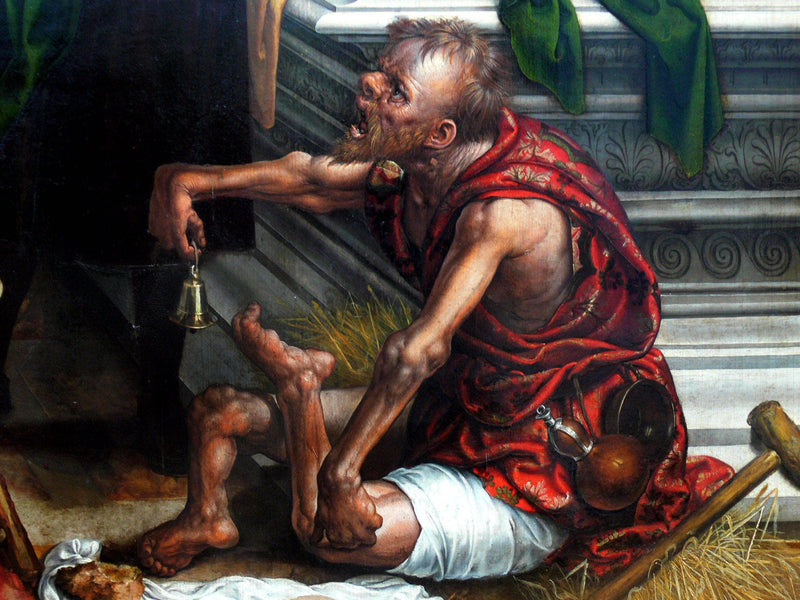
The Last Judgement is a pivotal theme in Christian theology, symbolizing the final assessment of souls by Christ. This moment represents the ultimate fate of humanity, where the righteous ascend to heaven and the wicked are cast into hell. Throughout history, artists have depicted this profound event, emphasizing its moral and spiritual implications. The Seven Acts of Mercy, integral to this theme, highlight the importance of compassion and charity in Christian life.
Bernard Van Orley, a prominent Flemish painter of the Renaissance, played a crucial role in the evolution of religious art. His works reflect a blend of Gothic and Renaissance styles, showcasing intricate details and vibrant colors. Van Orley's ability to convey deep spiritual narratives through his art has left a lasting impact on the art world. His interpretation of the Last Judgement is particularly notable for its emotional depth and complex symbolism.
The transition from Gothic to Renaissance art marked a significant shift in artistic expression. While Gothic art focused on verticality and religious themes, the Renaissance embraced humanism and realism. Van Orley's work embodies this transition, merging the ornate details of Gothic art with the balanced compositions and naturalism of the Renaissance. This blend creates a unique visual experience that invites viewers to reflect on their own moral choices.
In the Last Judgement, Van Orley employs a rich palette to convey emotion and meaning. The use of deep reds symbolizes passion and sacrifice, while blues evoke tranquility and divinity. Each color choice serves to enhance the narrative, drawing the viewer into the spiritual drama unfolding on the canvas. This thoughtful application of color not only beautifies the painting but also deepens its theological significance.
Van Orley's composition is masterfully balanced, guiding the viewer's eye across the painting. The central figure of Christ serves as the focal point, surrounded by a dynamic arrangement of angels, saints, and the damned. This strategic placement creates a sense of movement and urgency, reflecting the gravity of the Last Judgement. The careful arrangement of figures invites viewers to explore the complexities of mercy and justice.
The Seven Acts of Mercy are vividly illustrated in Van Orley's work, each act represented by distinct figures engaged in compassionate deeds. From feeding the hungry to visiting the imprisoned, these acts serve as a reminder of the Christian call to service. The figures are not merely decorative; they embody the moral teachings of Christ, urging viewers to reflect on their own actions and responsibilities.
Each of the Seven Acts of Mercy is intricately woven into the narrative of the painting. For instance, the act of clothing the naked is depicted with a figure offering garments to the vulnerable. This poignant imagery emphasizes the importance of charity and kindness in everyday life. By highlighting these acts, Van Orley encourages viewers to embody these virtues in their own lives.
The contrasting realms of heaven and hell are vividly portrayed in Van Orley's masterpiece. Heaven is depicted as a place of light and joy, filled with angels and saints, while hell is shrouded in darkness and despair. This duality serves as a powerful reminder of the consequences of one's choices. The stark contrast between the two realms invites viewers to contemplate their own spiritual journey.
Angels and demons play crucial roles in the Last Judgement, representing the eternal struggle between good and evil. Van Orley's angels are depicted with grace and beauty, embodying divine love and protection. In contrast, the demons are portrayed with grotesque features, symbolizing temptation and sin. This visual dichotomy enhances the moral narrative of the painting, urging viewers to choose righteousness over wickedness.
Van Orley's mastery of oil painting techniques, such as layering and glazing, adds depth and richness to his work. By applying multiple layers of paint, he creates a luminous quality that brings the figures to life. This technique allows for subtle variations in color and texture, enhancing the overall visual impact of the painting. The result is a vibrant and dynamic artwork that captivates the viewer.
The brushwork in Van Orley's Last Judgement is both meticulous and expressive. He skillfully varies his brushstrokes to create texture and movement, drawing the viewer's eye across the canvas. The intricate details of the figures' clothing and the swirling clouds of heaven and hell showcase his technical prowess. This attention to detail invites viewers to explore the painting closely, revealing new insights with each glance.
Van Orley's style is heavily influenced by the rich tradition of Flemish art. The use of vibrant colors, detailed textures, and emotional expressions reflects the characteristics of this artistic movement. His ability to blend these elements with Renaissance ideals creates a unique visual language that resonates with viewers. This fusion of styles contributes to the timeless appeal of his work.
When comparing Van Orley's Last Judgement to Michelangelo's famous fresco, distinct differences emerge. While Michelangelo's work is grand and dramatic, Van Orley's painting offers a more intimate portrayal of the theme. Van Orley focuses on individual acts of mercy, inviting viewers to engage with the moral implications of their choices. This contrast highlights the diverse interpretations of the Last Judgement across different artistic styles.
The theme of the Last Judgement varies significantly across cultures and regions. In some traditions, the focus may be on divine justice, while others emphasize mercy and redemption. Van Orley's interpretation reflects the Flemish context, where compassion and charity are central to the Christian message. This regional perspective enriches the understanding of the Last Judgement, showcasing the diversity of artistic expression.
The Last Judgement continues to inspire contemporary artists, who explore its themes in new and innovative ways. Modern interpretations often challenge traditional views, prompting discussions about morality, justice, and redemption. Van Orley's work remains a significant reference point, illustrating the enduring relevance of this powerful theme in art history.
Van Orley's Last Judgement evokes a complex emotional response, blending fear and hope. The depiction of divine judgment can instill a sense of dread, while the portrayal of mercy offers reassurance. This emotional spectrum invites viewers to reflect on their own beliefs and actions, creating a personal connection to the artwork. The painting serves as a mirror, reflecting the viewer's inner struggles and aspirations.
For modern audiences, Van Orley's Last Judgement resonates on multiple levels. It prompts reflections on morality, compassion, and the human condition. The Seven Acts of Mercy challenge viewers to consider their own contributions to society and the impact of their choices. This relevance ensures that the painting remains a vital part of contemporary discourse on ethics and spirituality.
To fully appreciate Van Orley's Last Judgement, viewers should take time to explore its intricate details. Observing the expressions of the figures, the interplay of light and shadow, and the symbolism of color can enhance the viewing experience. Engaging with the artwork on a deeper level allows for a richer understanding of its themes and messages. This active participation transforms the act of viewing into a meaningful dialogue with the artist.
The Last Judgement is significant in Christian art as it encapsulates the core beliefs of salvation, morality, and divine justice. It serves as a visual reminder of the consequences of one's actions and the importance of mercy.
Van Orley's depiction emphasizes individual acts of compassion, inviting viewers to reflect on their moral responsibilities. His focus on detailed narratives sets his work apart from more generalized representations.
Van Orley utilized layering and glazing techniques to create depth and luminosity in his oil paintings. His meticulous brushwork adds texture and detail, enhancing the overall visual impact.
The main themes include divine justice, mercy, the duality of heaven and hell, and the importance of compassion as illustrated by the Seven Acts of Mercy.
Van Orley's painting reflects Renaissance values through its emphasis on humanism, individual moral responsibility, and the blending of spiritual and earthly concerns.
When viewing the painting, pay attention to the expressions of the figures, the use of color, and the depiction of the Seven Acts of Mercy. Each detail contributes to the overall narrative and emotional impact.
Yes, high-quality oil painting reproductions of Van Orley's Last Judgement are available. These reproductions capture the intricate details and vibrant colors of the original artwork, offering a superior alternative to standard prints.

Discover some of our latest oil paintings, each one carefully hand-painted on canvas.
At Art & See, we're committed to delivering the highest quality art reproductions. Our team of expert artists and state-of-the-art processes ensure that each piece is a masterpiece in its own right.

Experience your masterpiece's creation through daily photos from our expert artists, each with 15+ years of experience.

Your artwork travels first class via UPS, FedEx, or DHL, protected by museum-grade packaging for safe delivery.

Review unedited photos of your finished painting and request unlimited free revisions before it ships. We only ship when you say it's perfect.

Every piece is crafted with archival materials, UV-resistant finishes, and premium British paints to last generations.




Yes, 100% hand-painted with oil on canvas by artists with 15+ years of experience. No prints, no digital shortcuts. You'll see and feel real brushstrokes, just like the original Bernard Van Orley masterpiece.
Your Last Judgement and the Seven Acts of Mercy reproduction takes 2–5 weeks to hand-paint depending on size and detail. Once approved, shipping takes 5–8 days via FedEx, UPS, or DHL with full tracking. Free worldwide shipping included.
Absolutely. Once your Last Judgement and the Seven Acts of Mercy is complete, we send you unedited photos, a full view and close-up details. Request unlimited free revisions until you're 100% satisfied. We don't ship until you say "yes."
Every painting goes through our Preview & Approve process: you receive unedited photos of your finished Bernard Van Orley reproduction and can request unlimited free revisions before it ships. We only ship when you say it's perfect. If after delivery you have any concerns, contact us at [email protected] and our team will work with you on the best path forward.
Professional-grade oil paints (Windsor & Newton) on premium linen canvas with UV-resistant protective coating. Museum-grade materials built to last generations, the same quality used in galleries worldwide.
Our artists specialize in Bernard Van Orley's technique: color accuracy, brushwork, and composition are matched to the original. Every reproduction goes through quality review before your approval photos are taken.
Every painting is insured and delivered door-to-door. Unframed paintings ship in protective hard tubes. Framed paintings are bubble-wrapped in sturdy boxes. If anything arrives damaged, we repair or replace it free.
Dive into the vibrant world of Historic Art. Discover your next painting today.
