
Discovering the Architectural Grandeur of Neues Palais in Potsdam
Historical Significance of Neues Palais: A Royal Legacy
The Prussian Kings and Their Vision
The Neues Palais, or New Palace, stands as a testament to the opulence of the Prussian monarchy. Commissioned by Frederick the Great in the 18th century, this architectural marvel was designed to impress and showcase the power of the Prussian state. It served not only as a royal residence but also as a venue for grand celebrations and diplomatic gatherings. The palace reflects the ambitions of Frederick II, who sought to create a cultural hub that would rival the great courts of Europe.
Architectural Style: Baroque Brilliance
The architectural style of the Neues Palais is a stunning example of Baroque brilliance. Its grand façade, adorned with intricate sculptures and expansive gardens, captures the essence of 18th-century design. The use of symmetry, elaborate ornamentation, and dramatic contrasts in light and shadow exemplify the Baroque aesthetic. This style not only emphasizes grandeur but also reflects the philosophical ideals of the Enlightenment, which influenced many aspects of European art and architecture during this period.
August Ahlborn: The Master Behind the Canvas
Biography of August Ahlborn: A Journey Through Art
Influences and Artistic Development
August Ahlborn was a prominent German painter born in 1810. His artistic journey began in the vibrant art scene of Berlin, where he was influenced by the Romantic movement. Ahlborn's exposure to nature and classical themes shaped his unique style, blending realism with romantic ideals. His travels across Europe further enriched his artistic vision, allowing him to draw inspiration from various landscapes and cultures.
Notable Works and Contributions to Art
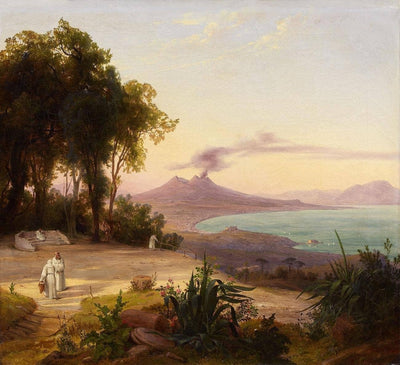
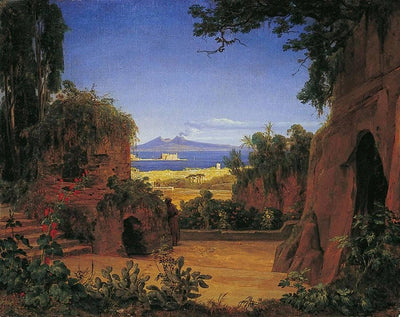
Ahlborn is celebrated for his landscape paintings, particularly those depicting the serene beauty of Potsdam. His work, "Wiew of Neues Palais," stands out as a significant contribution to 19th-century art. Ahlborn's ability to capture the interplay of light and nature in his paintings has earned him a respected place among his contemporaries. His dedication to portraying the essence of his subjects continues to inspire artists today.
Exploring the Artistic Techniques in "Wiew of Neues Palais"
Oil Painting Techniques: Ahlborn's Unique Approach
Color Palette: Capturing the Essence of Nature
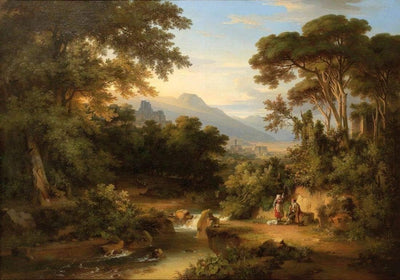
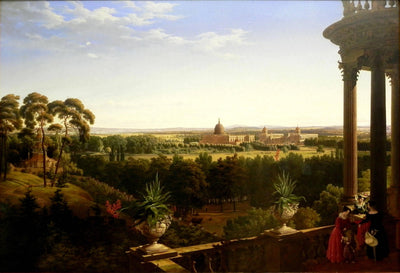
Ahlborn's "Wiew of Neues Palais" showcases a vibrant color palette that reflects the natural beauty of Potsdam. He skillfully blends greens, blues, and earthy tones to create a harmonious scene. The colors evoke a sense of tranquility, inviting viewers to immerse themselves in the landscape. Ahlborn's choice of hues not only captures the essence of the setting but also conveys the emotional depth of the moment.
Brushwork and Texture: Creating Depth and Dimension
The brushwork in "Wiew of Neues Palais" is meticulous and expressive. Ahlborn employs a variety of techniques to create texture and depth, from fine details in the foliage to the smooth surfaces of the palace. His ability to manipulate paint adds a three-dimensional quality to the scene, making it feel alive. This attention to detail enhances the viewer's experience, drawing them into the world he has created.
The Scenic Beauty of Potsdam: Ahlborn's Inspiration
Landscapes of Potsdam: Nature's Influence on Art
Potsdam's landscapes are rich with natural beauty, providing endless inspiration for artists like Ahlborn. The interplay of light, water, and greenery creates a picturesque setting that is both serene and dynamic. Ahlborn captures this essence in his work, showcasing the unique charm of the region. His paintings reflect a deep appreciation for the environment, highlighting the importance of nature in artistic expression.
Seasonal Changes and Their Impact on the Painting
The changing seasons play a significant role in Ahlborn's work. In "Wiew of Neues Palais," the lush greenery suggests a vibrant summer day, filled with life and energy. This seasonal choice enhances the painting's mood, inviting viewers to experience the warmth and beauty of the moment. Ahlborn's ability to convey seasonal changes adds depth to his landscapes, making them relatable and timeless.
Symbolism of Nature in Ahlborn's Work
Nature serves as a powerful symbol in Ahlborn's paintings. In "Wiew of Neues Palais," the lush gardens and expansive skies represent harmony and tranquility. The natural elements reflect the ideals of the Romantic movement, emphasizing the connection between humanity and the environment. Ahlborn's work encourages viewers to appreciate the beauty of nature and its significance in our lives.
Artistic Elements in "Wiew of Neues Palais"
Composition and Perspective: Guiding the Viewer's Eye
Foreground, Midground, and Background Dynamics
Ahlborn expertly composes "Wiew of Neues Palais" to guide the viewer's eye through the painting. The foreground features detailed flora, drawing attention to the vibrant life surrounding the palace. The midground showcases the majestic Neues Palais, while the background reveals a serene sky. This dynamic layering creates a sense of depth, inviting viewers to explore every aspect of the scene.
Use of Light and Shadow: Enhancing Realism
The interplay of light and shadow in Ahlborn's painting enhances its realism. He skillfully captures the sunlight filtering through the trees, casting dappled shadows on the ground. This technique adds a lifelike quality to the scene, making it feel as if the viewer is standing in the gardens of the palace. Ahlborn's mastery of light creates an inviting atmosphere, drawing viewers into the moment.
The Cultural Context of "Wiew of Neues Palais"
Art in the 19th Century: Ahlborn's Place in History
The 19th century was a time of great change in the art world. Ahlborn's work reflects the transition from Romanticism to Realism, capturing the beauty of nature while also embracing the realities of life. His paintings serve as a bridge between these two movements, showcasing his unique artistic stance. Ahlborn's contributions to art during this period continue to resonate with audiences today.
Romanticism vs. Realism: Ahlborn's Artistic Stance
Ahlborn's "Wiew of Neues Palais" embodies the tension between Romanticism and Realism. While he captures the idealized beauty of the palace and its surroundings, he also presents a realistic portrayal of nature. This balance allows viewers to appreciate both the emotional depth and the tangible aspects of the scene. Ahlborn's ability to navigate these artistic movements highlights his versatility as a painter.
Influence of German Romanticism on Ahlborn's Work
German Romanticism significantly influenced Ahlborn's artistic vision. The movement emphasized emotion, nature, and individual experience, all of which are evident in "Wiew of Neues Palais." Ahlborn's work reflects the Romantic ideal of finding beauty in the natural world, encouraging viewers to connect with their surroundings. His paintings serve as a celebration of the German landscape and its cultural heritage.
Preserving the Legacy: The Importance of Art Reproductions
Why Art Reproductions Matter: Accessibility and Education
Art reproductions play a vital role in making historical artworks accessible to a broader audience. Unlike prints, which can lack detail and vibrancy, high-quality painting reproductions capture the essence of the original work. They allow art enthusiasts to experience the beauty of pieces like "Wiew of Neues Palais" in their own homes. This accessibility fosters a greater appreciation for art and its history.
Bringing Historical Art to Modern Audiences
Reproductions of classic artworks bridge the gap between history and contemporary society. They allow modern audiences to engage with the past, experiencing the beauty and significance of pieces like Ahlborn's work. By bringing historical art into today's homes, reproductions help preserve cultural heritage and inspire future generations of artists and art lovers.
Art Reproductions as a Tool for Learning
Art reproductions serve as valuable educational tools. They provide an opportunity for students and art enthusiasts to study techniques, styles, and historical contexts. By examining reproductions of "Wiew of Neues Palais," individuals can gain insights into Ahlborn's artistic methods and the cultural significance of the era. This learning experience enriches one's understanding of art and its impact on society.
FAQs About "Wiew of Neues Palais" by August Ahlborn
Common Questions About the Painting
What is the historical context of "Wiew of Neues Palais"?
"Wiew of Neues Palais" was created during a time when the Prussian monarchy was at its height. The painting reflects the grandeur of the Neues Palais, a symbol of royal power and cultural achievement in 18th-century Prussia.
What techniques did August Ahlborn use in this painting?
Ahlborn employed oil painting techniques, utilizing a vibrant color palette and expressive brushwork to create depth and realism in "Wiew of Neues Palais." His attention to light and shadow enhances the overall atmosphere of the piece.
How does "Wiew of Neues Palais" reflect the Baroque style?
The painting reflects the Baroque style through its dramatic composition, intricate details, and emphasis on grandeur. Ahlborn captures the essence of the palace and its surroundings, showcasing the opulence characteristic of Baroque architecture.
What are the key themes depicted in the painting?
Key themes in "Wiew of Neues Palais" include the beauty of nature, the grandeur of royal architecture, and the harmony between humanity and the environment. Ahlborn's work invites viewers to appreciate the interplay of these elements.
Where can I view the original "Wiew of Neues Palais"?
The original "Wiew of Neues Palais" can be viewed in various art collections and museums that focus on 19th-century German art. Check local galleries or online museum collections for more information on its current location.
Questions About the Painting Reproduction
How can I ensure the quality of a reproduction of this painting?
To ensure the quality of a reproduction, look for reputable art reproduction companies that specialize in high-quality oil painting reproductions. Check for customer reviews and examples of their work to gauge their craftsmanship.
What should I look for in a reputable art reproduction?
When seeking a reputable art reproduction, consider the artist's experience, the materials used, and the level of detail in the reproduction. A high-quality reproduction should closely resemble the original painting in color, texture, and overall composition.