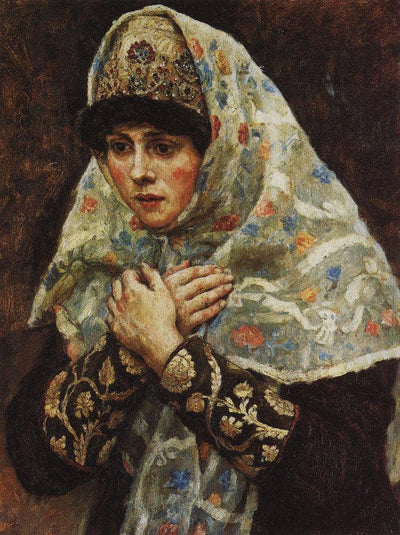
Exploring the Third Ecumenical Council of Ephesus: A Masterpiece by Vasily Surikov
Historical Context of the Third Ecumenical Council
The Significance of the Council in Christian History
The Third Ecumenical Council of Ephesus, held in 431 AD, marked a pivotal moment in Christian history. This council addressed the
nature of
Christ and the role of the Virgin Mary, leading to significant theological developments. It was here that the term "Theotokos," meaning "God-bearer," was affirmed, emphasizing Mary's divine motherhood. This decision sparked debates that shaped the future of Christian doctrine and ecclesiastical authority.
Key Figures and Their Roles in the Council
Prominent figures at the council included Cyril of Alexandria, who championed the orthodox view, and Nestorius, whose teachings sparked controversy. Cyril's passionate defense of the Theotokos contrasted sharply with Nestorius's views, which led to his eventual condemnation. The council's proceedings were marked by intense debates, showcasing the deep divisions within early Christianity.
Impact on Christian Doctrine and Theology
The outcomes of the Third Ecumenical Council had lasting effects on Christian theology. It solidified the understanding of Christ's dual nature as both divine and human. This council also set a precedent for future ecumenical gatherings, influencing how the Church would address heresies and unify doctrine. The decisions made here resonate through centuries of Christian thought and practice.
Vasily Surikov: The Visionary Behind the Canvas
Biographical Insights into Surikov's Life and Career
Vasily Surikov, born in 1848 in Siberia, became one of Russia's most celebrated historical painters. His works often reflect a deep understanding of Russian history and culture. Surikov's dedication to
realism and narrative depth set him apart from his contemporaries. He studied at the Imperial Academy of Arts, where he honed his skills in capturing dramatic moments in history.
Artistic Style: Realism and Historical Narratives
Surikov's artistic style is characterized by realism and a strong narrative quality. He believed in portraying historical events with emotional intensity and accuracy. His ability to convey complex human emotions through his characters is evident in the "Third Ecumenical Council of Ephesus." This painting exemplifies his commitment to historical truth and artistic integrity.
Influences and Inspirations in Surikov's Work
Surikov drew inspiration from various sources, including Russian folklore, classical literature, and the works of other great artists like
Ilya Repin. His travels across Europe exposed him to different artistic movements, which he skillfully integrated into his own style. This blend of influences enriched his paintings, making them resonate with viewers on multiple levels.
Artistic Elements of the Painting
Composition and Layout: A Study of Balance and Focus
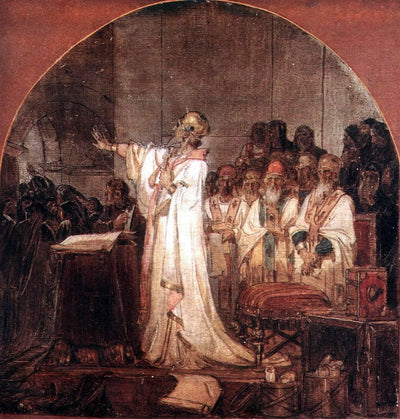
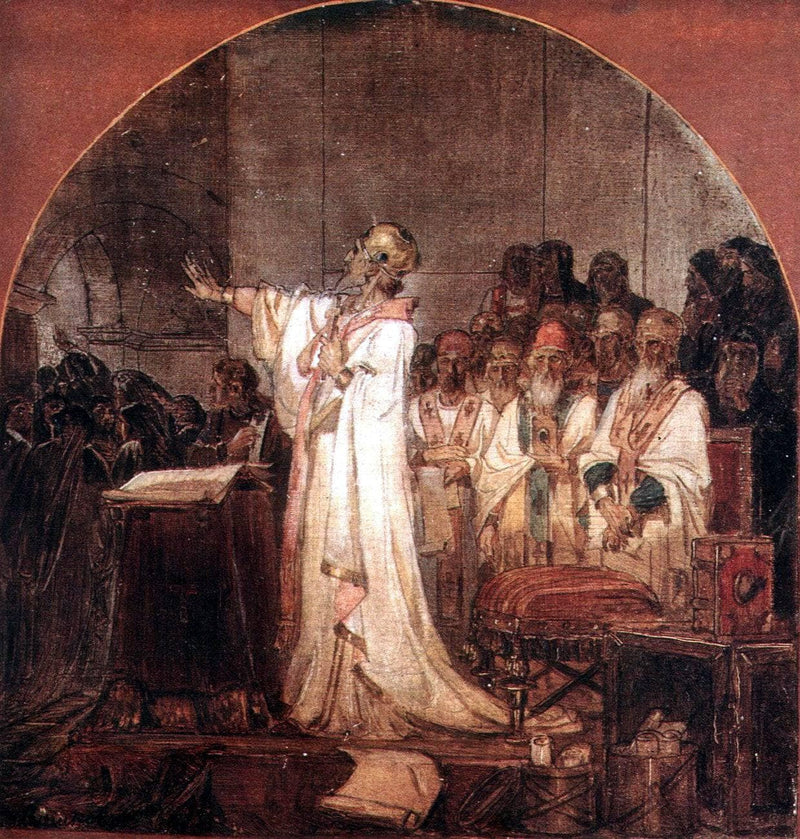
The composition of "The Third Ecumenical Council of Ephesus" is masterfully balanced. Surikov arranged the figures in a way that guides the viewer's eye through the scene. The central placement of key figures emphasizes their importance, while the surrounding characters add depth and context. This thoughtful layout enhances the narrative flow of the painting.
Color Palette: Symbolism and Emotional Resonance
Surikov's color palette is rich and evocative. He used deep reds and golds to symbolize the gravity of the council's discussions. The contrasting cool tones in the background create a sense of tension and conflict. This careful selection of colors not only enhances the visual appeal but also deepens the emotional impact of the scene.
Figures and Expressions: Capturing the Essence of the Council
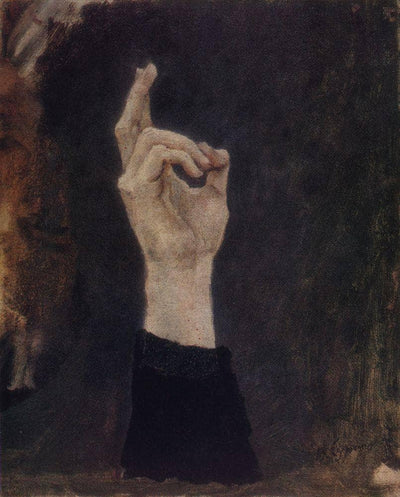
The figures in Surikov's painting are meticulously rendered, each with distinct expressions that convey their thoughts and emotions. The intensity of their gazes and the gestures of their hands reflect the heated debates taking place. Surikov's ability to capture the essence of each character adds a layer of authenticity to the historical narrative.
Thematic Exploration: Faith, Conflict, and Resolution
Depiction of Theological Disputes and Their Visual Representation
Surikov's painting vividly depicts the theological disputes that characterized the council. The tension between Cyril and Nestorius is palpable, illustrating the struggle for doctrinal clarity. This visual representation of conflict invites viewers to reflect on the complexities of faith and belief.
Unity and Division: The Duality of the Council's Message
The council's duality of unity and division is a central theme in Surikov's work. While the council aimed to unify Christian doctrine, it also highlighted the divisions within the Church. This duality is expressed through the contrasting postures and expressions of the figures, symbolizing the ongoing struggle for consensus.
Surikov's Interpretation of Historical Events
Surikov's interpretation of the council goes beyond mere historical representation. He infuses the painting with a sense of urgency and relevance, making the events feel immediate and impactful. His portrayal encourages viewers to consider the implications of these theological debates on contemporary faith.
Symbolism and Allegory in Surikov's Work
Hidden Meanings: Decoding the Visual Language
Surikov's painting is rich with
symbolism. Each element, from the positioning of figures to the use of light, carries deeper meanings. The arrangement of the council members reflects the hierarchy of the Church, while the expressions of conflict hint at the broader struggles within Christianity.
Religious Symbols and Their Significance in the Painting
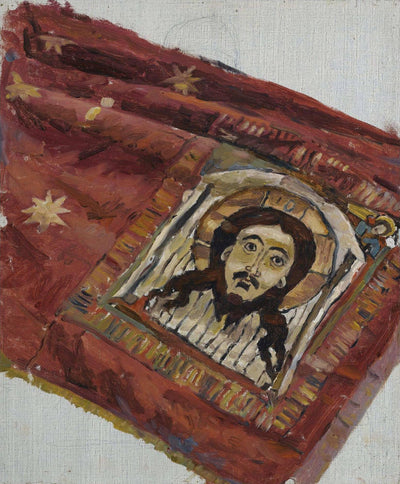
Religious symbols abound in Surikov's work. The presence of the cross and other ecclesiastical elements reinforces the spiritual significance of the council. These symbols serve as reminders of the faith that underpins the discussions and decisions made during this critical moment in history.
Surikov's Use of Allegory to Convey Deeper Messages
Surikov employs allegory to convey messages about faith, authority, and the human condition. The interactions between the figures symbolize the broader struggles of belief and the quest for truth. This allegorical approach invites viewers to engage with the painting on a philosophical level.
Reception and Legacy of the Painting
Initial Reception: Critiques and Praise from Art Critics
Upon its unveiling, "The Third Ecumenical Council of Ephesus" received mixed reviews. Some critics praised Surikov's ability to capture the drama of the council, while others questioned his interpretation of historical events. Over time, however, the painting gained recognition for its artistic merit and historical significance.
Influence on Subsequent Artists and Movements
Surikov's work has influenced many artists who seek to blend historical narrative with emotional depth. His approach to realism and storytelling has inspired movements that prioritize the depiction of human experience in art. The legacy of his painting continues to resonate in
contemporary art discussions.
Current Status: The Painting in Modern Art Discourse
Today, Surikov's masterpiece is celebrated as a significant contribution to Russian art and history. It is often discussed in the context of historical painting and its role in shaping national identity. The painting remains a focal point for art enthusiasts and historians alike.
Visiting the Original: Where to Experience Surikov's Masterpiece
Location and Accessibility of the Painting
The original painting is housed in the Tretyakov Gallery in Moscow, a premier destination for art lovers. This gallery features an extensive collection of Russian art, making it an ideal place to experience Surikov's work firsthand. Visitors can easily access the gallery via public transportation.
Exhibitions and Art Institutions Featuring Surikov's Work
In addition to the Tretyakov Gallery, Surikov's works are often featured in exhibitions across Russia and internationally. Art institutions frequently showcase his paintings, allowing audiences to appreciate his contributions to historical narrative and realism. Keep an eye out for traveling exhibitions that highlight his masterpieces.
Tips for Art Enthusiasts Visiting the Painting
When visiting Surikov's painting, take your time to absorb the details. Consider joining a guided tour to gain deeper insights into the historical context and artistic techniques. Don't forget to explore other works by Surikov in the gallery, as they provide a broader understanding of his artistic vision.
FAQs about the Third Ecumenical Council of Ephesus Painting
What is the historical significance of the Third Ecumenical Council depicted in the painting?
The council was crucial in defining key Christian doctrines, particularly regarding the nature of Christ and the role of Mary. It set the stage for future theological discussions and church unity.
Who are the key figures represented in Surikov's painting?
Key figures include Cyril of Alexandria and Nestorius, whose opposing views on Christ's nature sparked intense debates during the council.
What artistic techniques did Surikov use in this masterpiece?
Surikov employed realism, dramatic composition, and a rich color palette to convey the emotional intensity of the council's discussions.
How does the painting reflect the theological debates of its time?
The painting captures the essence of the theological disputes, showcasing the tension between differing beliefs and the quest for doctrinal clarity.
What emotions does Surikov aim to evoke through his portrayal of the council?
Surikov aims to evoke a sense of urgency, conflict, and the weight of historical decisions, inviting viewers to reflect on the implications of faith and belief.
FAQs about the Painting Reproduction
How can I ensure the quality of a reproduction of this painting?
To ensure quality, look for reproductions created by skilled artists who use high-quality materials. A well-crafted reproduction will capture the details and colors of the original painting.
What should I look for in a reputable seller of art reproductions?
Choose sellers who specialize in art reproductions and have positive reviews. Look for those who provide information about their techniques and materials, ensuring you receive a superior reproduction rather than a simple print.