The Banjo Lesson: A Masterpiece of African American Art
Historical Context of The Banjo Lesson
Exploring the Life of Henry Ossawa Tanner
Henry Ossawa Tanner, born in 1859 in Pittsburgh, Pennsylvania, was a trailblazer in American art. As the first African American artist to gain international acclaim, Tanner faced numerous challenges due to racial discrimination. His journey took him from the United States to Paris, where he studied at the Académie Julian. Tanner's experiences shaped his artistic vision, allowing him to portray the dignity and beauty of African American life.
The Significance of African American Artists in the Early 20th Century
The early 20th century marked a pivotal time for African American artists. They began to gain recognition for their unique perspectives and contributions to the art world. Tanner's work, including The Banjo Lesson, played a crucial role in highlighting the cultural richness of African American communities. His paintings often depicted themes of family, spirituality, and resilience, resonating deeply with audiences.
Influences of the Harlem Renaissance on Tanner's Work
Although Tanner's most famous works predate the Harlem Renaissance, his influence can be seen in the movement's celebration of African American culture. Artists like Langston Hughes and Zora Neale Hurston drew inspiration from Tanner's ability to convey the depth of African American experiences. The Banjo Lesson, with its focus on music and community, embodies the spirit of this cultural awakening.
Visual Analysis of The Banjo Lesson
Composition and Color Palette: A Study in Warm Tones
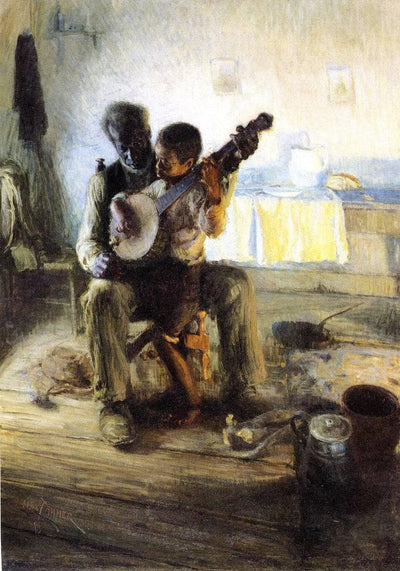
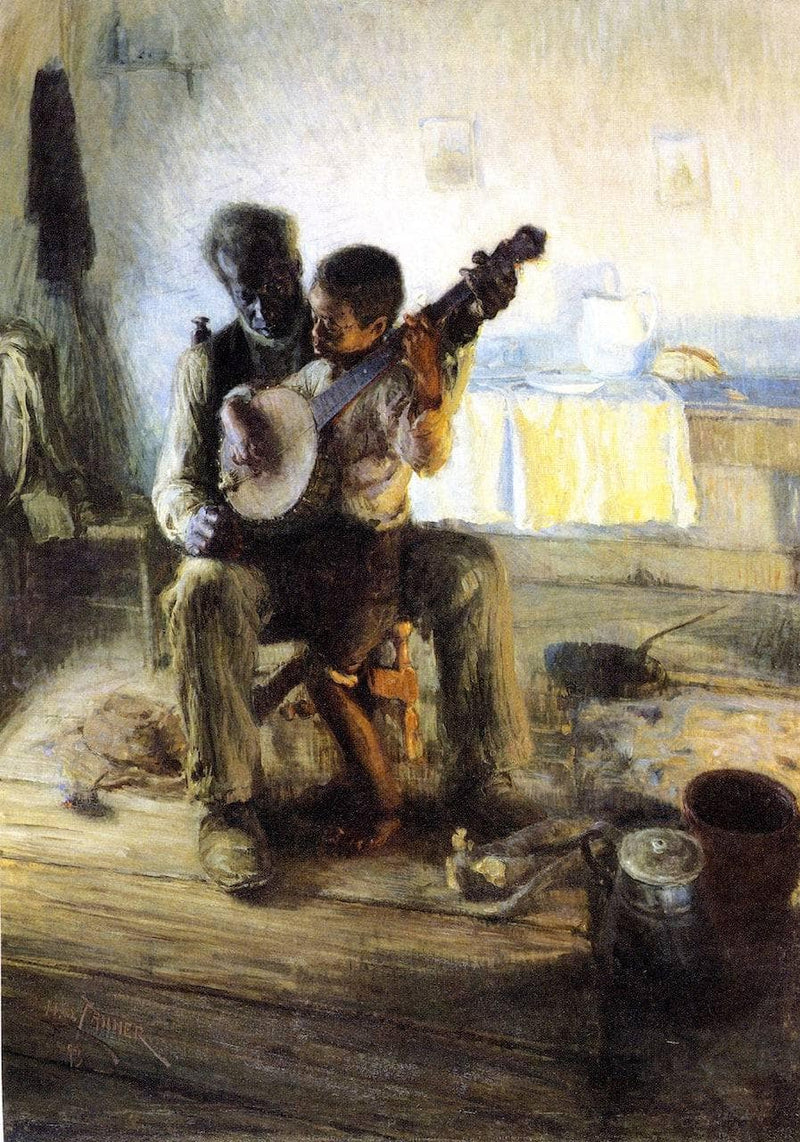
The Banjo Lesson features a warm color palette dominated by rich browns, deep golds, and soft whites. Tanner's composition draws the viewer's eye to the intimate interaction between the figures. The arrangement creates a sense of harmony and connection, inviting viewers to engage with the scene. The warm tones evoke feelings of comfort and nostalgia, enhancing the painting's emotional impact.
Symbolism of the Banjo: Cultural and Historical Significance
The banjo, a central element in Tanner's painting, symbolizes African American heritage and musical tradition. Originally brought to America by enslaved Africans, the banjo represents resilience and cultural identity. In The Banjo Lesson, the instrument serves as a bridge between generations, highlighting the importance of music in African American culture.
Facial Expressions and Body Language: Capturing Emotion
Tanner masterfully captures the emotions of his subjects through their facial expressions and body language. The elderly man's gentle smile and the boy's focused gaze convey a deep bond and mutual respect. This connection reflects the themes of mentorship and learning, making the viewer feel the warmth of their relationship.
Thematic Elements in The Banjo Lesson
Intergenerational Relationships: The Bond Between Teacher and Student
The Banjo Lesson beautifully illustrates the theme of intergenerational relationships. The older man teaches the young boy, symbolizing the transfer of knowledge and cultural heritage. This dynamic showcases the importance of mentorship in African American communities, where elders pass down traditions and values to the younger generation.
Music as a Cultural Connector: The Role of the Banjo
Music plays a vital role in connecting people across cultures. In The Banjo Lesson, the act of playing the banjo serves as a metaphor for unity and shared experiences. Tanner emphasizes how music transcends barriers, fostering a sense of belonging and community among African Americans.
Depiction of Everyday Life: A Glimpse into African American Culture
Tanner's painting offers a glimpse into the everyday life of African Americans in the early 20th century. The scene captures a moment of joy and learning, reflecting the values of family and community. Through this portrayal, Tanner honors the richness of African American culture and its enduring legacy.
Artistic Techniques Employed by Tanner
Oil Painting Techniques: Brushwork and Texture
Tanner's oil painting techniques showcase his skillful brushwork and attention to texture. He employs a variety of strokes to create depth and dimension, bringing the figures to life. The textured surfaces of the clothing and the banjo add realism, inviting viewers to appreciate the details of the scene.
Use of Light and Shadow: Creating Depth and Dimension
Light and shadow play a crucial role in The Banjo Lesson. Tanner expertly uses chiaroscuro to create a sense of depth, highlighting the figures against a softly lit background. This technique enhances the emotional tone of the painting, drawing attention to the intimate moment shared between the teacher and student.
Innovative Approaches to Perspective in Tanner's Art
Tanner's innovative approach to perspective sets his work apart. In The Banjo Lesson, he uses a slightly elevated viewpoint, allowing viewers to feel as if they are part of the scene. This perspective invites a personal connection, making the viewer an observer of this tender moment.
The Legacy of The Banjo Lesson
Impact on Future Generations of Artists
The Banjo Lesson has left a lasting impact on future generations of artists. Tanner's ability to portray African American life with dignity and respect inspired countless artists to explore their cultural heritage. His work paved the way for a more inclusive art world, encouraging diverse voices to share their stories.
Preservation and Display: Where to Experience Tanner's Work Today
Today, The Banjo Lesson is housed in the collection of the Hampton University Museum in Virginia. This museum is dedicated to preserving African American art and culture, making it an ideal location to experience Tanner's masterpiece. Visitors can appreciate the painting's historical significance and its role in the broader narrative of American art.
Critical Reception: How The Banjo Lesson Was Received Over Time
Upon its completion, The Banjo Lesson received critical acclaim for its emotional depth and cultural significance. Art critics praised Tanner for his ability to capture the essence of African American life. Over time, the painting has become a symbol of pride and resilience, celebrated for its artistic merit and historical importance.
Connecting with The Banjo Lesson: Personal Reflections
First-Hand Experiences: Viewing the Painting in Museums
Experiencing The Banjo Lesson in person is a profound journey. Visitors often describe feeling a deep connection to the subjects and the story they tell. The painting's presence in a museum setting allows for reflection and appreciation of Tanner's artistry and the cultural narratives he represents.
Emotional Responses: What The Banjo Lesson Evokes in Viewers
The Banjo Lesson evokes a range of emotions in viewers. Many feel a sense of nostalgia and warmth, while others are moved by the themes of love and mentorship. Tanner's ability to capture these feelings makes the painting resonate on a personal level, inviting viewers to reflect on their own experiences.
Engaging with Art: How to Appreciate Tanner's Techniques
To fully appreciate Tanner's techniques, viewers should take time to observe the details. Notice the brushwork, the interplay of light and shadow, and the expressions of the figures. Engaging with these elements enhances the understanding of Tanner's artistic vision and the cultural significance of The Banjo Lesson.
FAQs About The Banjo Lesson
What is the story behind The Banjo Lesson?
The Banjo Lesson depicts a tender moment between an older man and a young boy as they share a lesson in music. This scene reflects the importance of mentorship and the transmission of cultural knowledge within African American communities.
How does The Banjo Lesson reflect African American culture?
The painting highlights the significance of music, family, and community in African American culture. The banjo serves as a symbol of heritage, connecting generations through shared experiences and traditions.
What techniques did Henry Ossawa Tanner use in this painting?
Tanner employed oil painting techniques, utilizing brushwork, light, and shadow to create depth. His innovative perspective invites viewers into the intimate scene, enhancing the emotional connection to the subjects.
Where can I see The Banjo Lesson in person?
The Banjo Lesson is on display at the Hampton University Museum in Virginia. This museum is dedicated to preserving African American art and culture, making it a significant location for experiencing Tanner's work.
What themes are explored in The Banjo Lesson?
The Banjo Lesson explores themes of intergenerational relationships, the cultural significance of music, and the depiction of everyday life in African American communities. These themes resonate deeply, reflecting the richness of African American heritage.
How can I learn more about Henry Ossawa Tanner's life and work?
To learn more about Tanner, consider visiting art museums, reading biographies, and exploring online resources dedicated to African American art. Engaging with his work provides insight into his contributions and the cultural context of his art.
What should I know about reproductions of The Banjo Lesson?
Art reproductions of The Banjo Lesson offer a superior alternative to prints. They capture the texture, color, and detail of the original painting, allowing art lovers to appreciate Tanner's work in their own homes. Investing in a high-quality reproduction can enhance your space while celebrating this iconic piece of African American art.