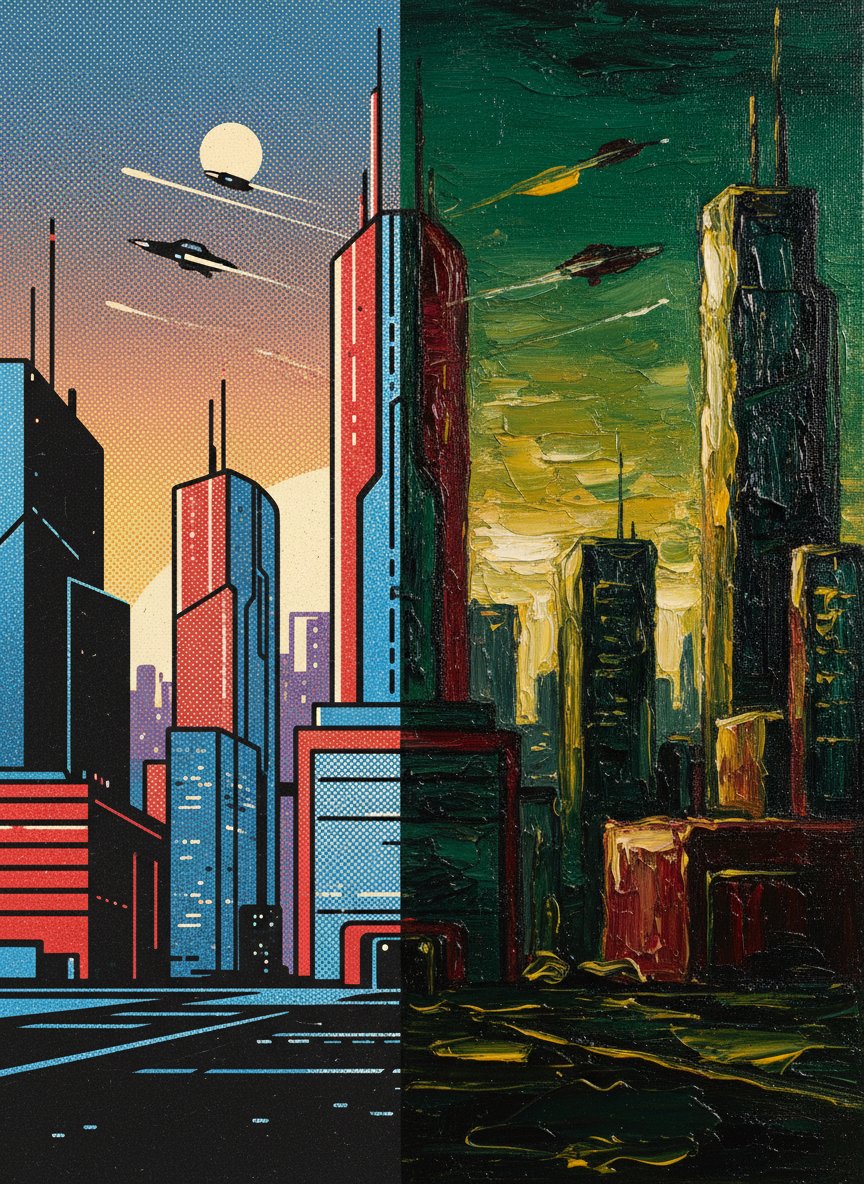
You have a photo you love and you want it on a wall. You have two options: print it or have it painted. They both start with the same photograph. They both end up framed and hanging. But they are not the same thing, and the difference matters more than most people realize.
This guide compares prints and paintings across every dimension that affects your decision: cost, permanence, emotional impact, display quality, and use cases. Neither option is universally better. The right choice depends on what the photo means to you.
TL;DR: Prints are faster, cheaper, and easily reproducible. Paintings are unique, textured, and more emotionally resonant. For everyday decor and gallery walls, prints win on value. For centerpiece art, family heirlooms, and meaningful tributes, paintings are worth the premium. Full comparison table and decision guide below.
What Is a Print?
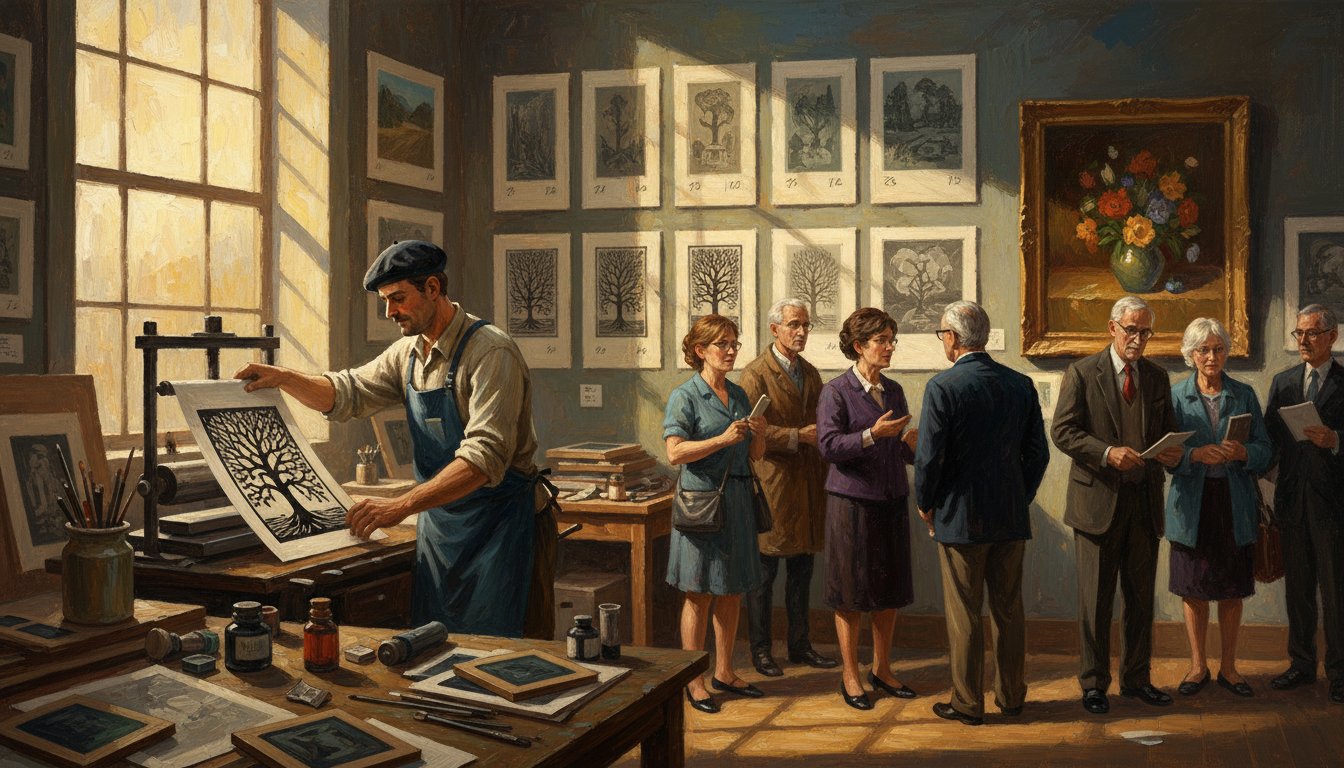
A print is a photographic reproduction. Your image is sent to a printer, which deposits ink onto a surface — paper, canvas, metal, or acrylic. The result is sharp, color-accurate, and identical to every other copy of the same file.
Types of prints:
- Paper print — The most affordable. Best framed behind glass for protection.
- Canvas print — Stretched over a wooden frame. No glass needed. The most popular wall art option.
- Metal print — Printed on aluminum. Vivid colors, modern look, waterproof.
- Acrylic print — Photo mounted behind acrylic glass. High-gloss, sharp, contemporary.
Advantages of prints: Fast delivery (days, not weeks). Affordable ($15-$100 for most sizes). Easily reproducible — order ten copies of the same image. Exact color reproduction of the original photo.
What Is a Painting?
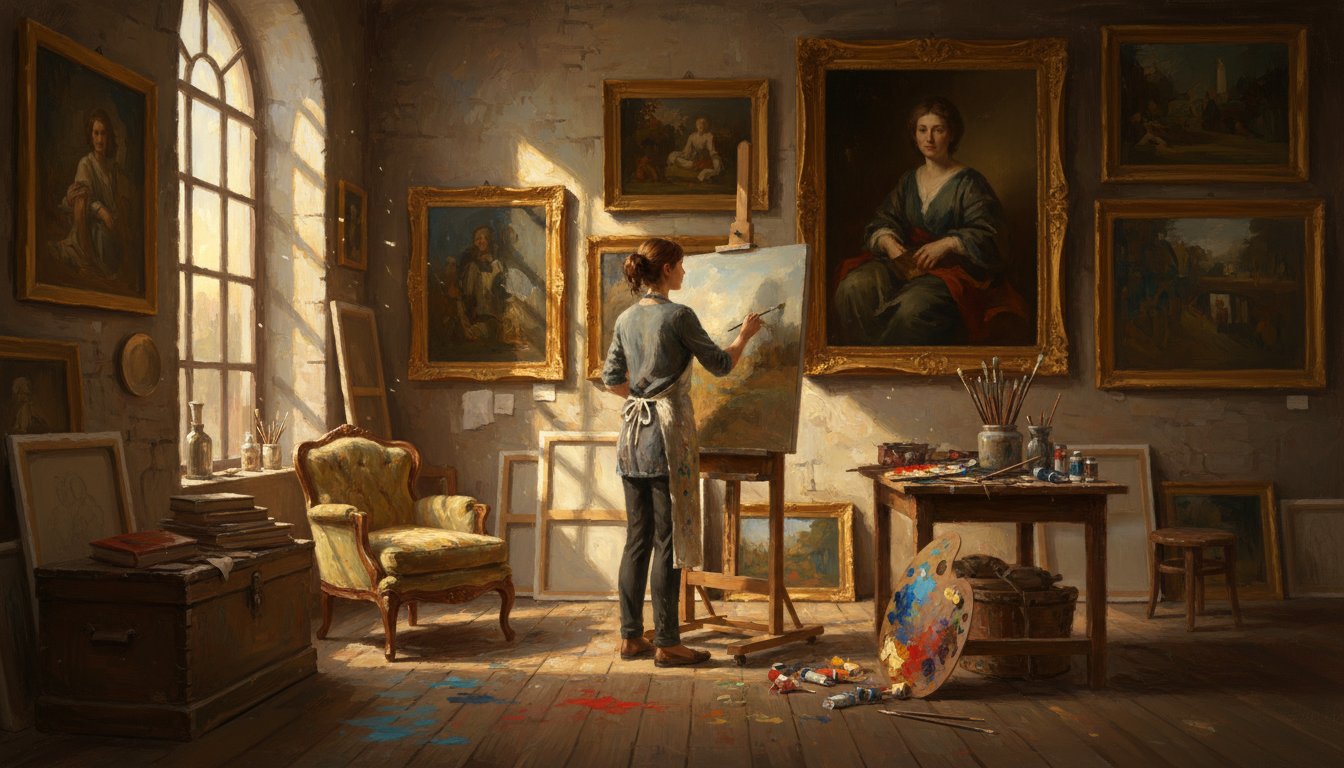
A painting is an interpretation. An artist looks at your photograph and recreates it by hand using physical paint — oil, acrylic, watercolor, charcoal, pencil, or pastel. The result is not a copy of the photo. It is a new artwork inspired by the photo.
The critical differences:
- Texture. A painting has physical depth — visible brushstrokes, impasto, layered color. A print is flat.
- Uniqueness. A painting is one of a kind. No two are identical, even from the same reference photo.
- Interpretation. The artist makes choices — emphasis, color warmth, background simplification — that add meaning the photo alone does not carry.
- Permanence. Oil paintings, properly maintained, last for centuries. Canvas prints fade over years.
Side-by-Side Comparison
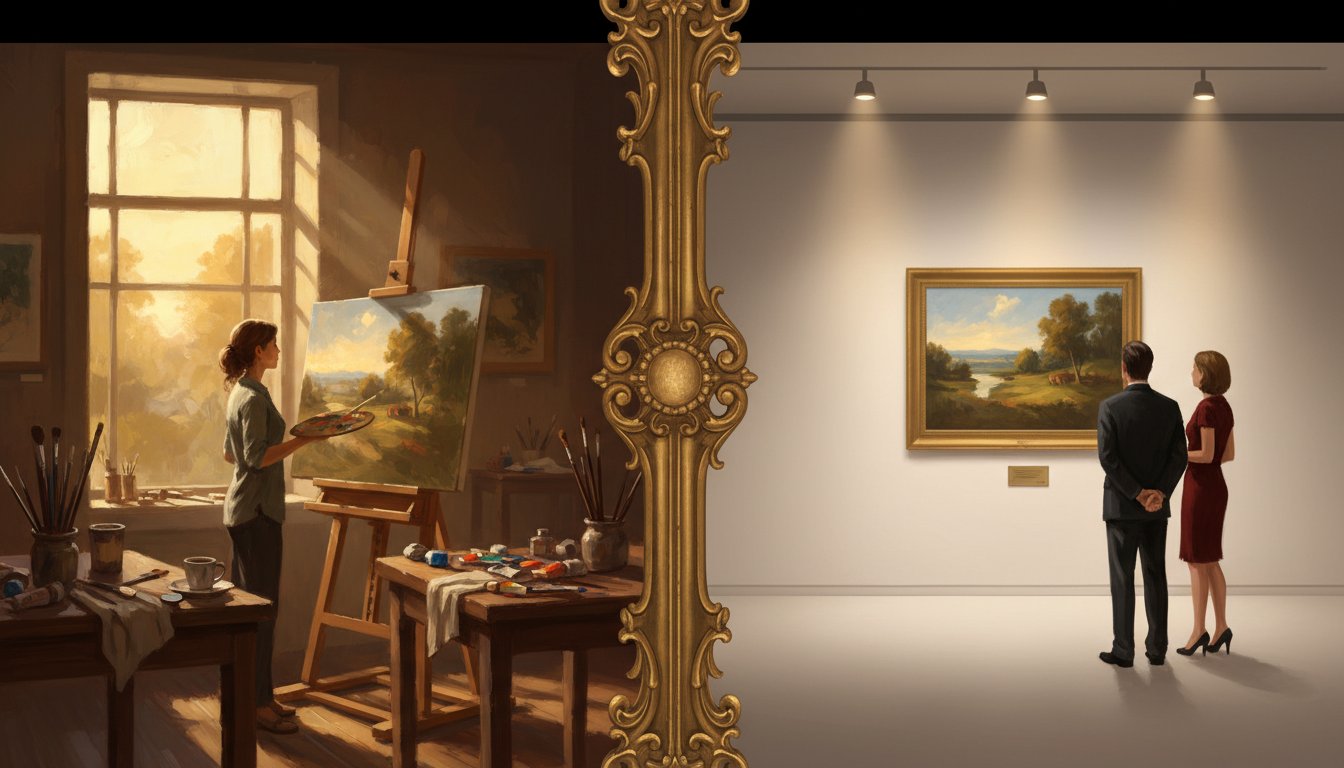
| Factor | Painting | |
|---|---|---|
| Cost | $15 – $100 | $79 – $400+ |
| Turnaround | 2-7 days | 7-21 days |
| Permanence | 5-20 years (fades) | Decades to centuries |
| Texture | Flat, uniform | Physical brushstrokes |
| Uniqueness | Reproducible | One of a kind |
| Emotional impact | Moderate | High |
| Color accuracy | Exact reproduction | Artist's interpretation |
| Best wall position | Gallery wall, hallway | Centerpiece, above fireplace |
| Reproducibility | Unlimited copies | Single original |
| Framing needed | Often (paper prints) | Sometimes (canvas paintings often don't) |
When to Choose a Print
Prints are the better choice when:
- You need it fast. Canvas prints ship in two to five days. Paintings take one to three weeks.
- Budget is the primary concern. A 16x20 canvas print costs $30-$50. A painting of the same size starts at $149.
- You want multiple copies. Sending the same family photo to five relatives? Print it five times.
- The image is decorative, not deeply personal. A landscape, a travel photo, or a design element for a room.
- You rotate your wall art frequently. If you change what is hanging every season, prints make more economic sense.

When to Choose a Painting
Paintings are the better choice when:
- The photo represents something irreplaceable. A wedding, a pet who passed, a parent's portrait, a family gathering. The emotional weight of the photo deserves the permanence of paint.
- You want a centerpiece, not filler. One painting above the fireplace makes a bigger statement than five prints on a gallery wall.
- You want it to last. A painting your grandchildren will hang in their home someday. Oil on canvas outlasts everything on this list.
- You value texture and depth. Paintings have a three-dimensional quality that prints cannot replicate. You can see and feel the brushstrokes.
- It is a gift. The effort and cost of a painting communicates something a print does not. It says: this mattered enough to have it made by hand.

The Cost Question
The price gap between prints and paintings is real, but smaller than most people assume:
| Product | Small (8x10) | Medium (16x20) | Large (24x36) |
|---|---|---|---|
| Paper print | $5 – $15 | $10 – $25 | $20 – $40 |
| Canvas print | $20 – $40 | $30 – $60 | $50 – $100 |
| Metal print | $30 – $50 | $50 – $90 | $80 – $150 |
| Oil painting | $79 – $150 | $149 – $250 | $250 – $400+ |
| Watercolor painting | $69 – $120 | $99 – $200 | $200 – $350 |
| Charcoal/pencil | $59 – $100 | $89 – $180 | $150 – $300 |
The premium for a painting ranges from 3x to 5x the cost of a print. For a centerpiece piece that you expect to hang for decades, the per-year cost of a painting is actually lower than a print that fades and needs replacing.

The Verdict
There is no universal winner. Both have a place.
Use prints for volume, speed, budget, and decorative purposes. Use paintings for permanence, emotional resonance, centerpiece display, and gifts that matter.
If you are trying to decide right now, ask yourself one question: Will I care about this image in twenty years? If yes, paint it. If not, print it.
For ordering a painting, Art & See offers six mediums with a preview-and-approve system. For a broader comparison of portrait services, see best places to buy a custom painting. For more custom photo options, explore custom photo gifts.
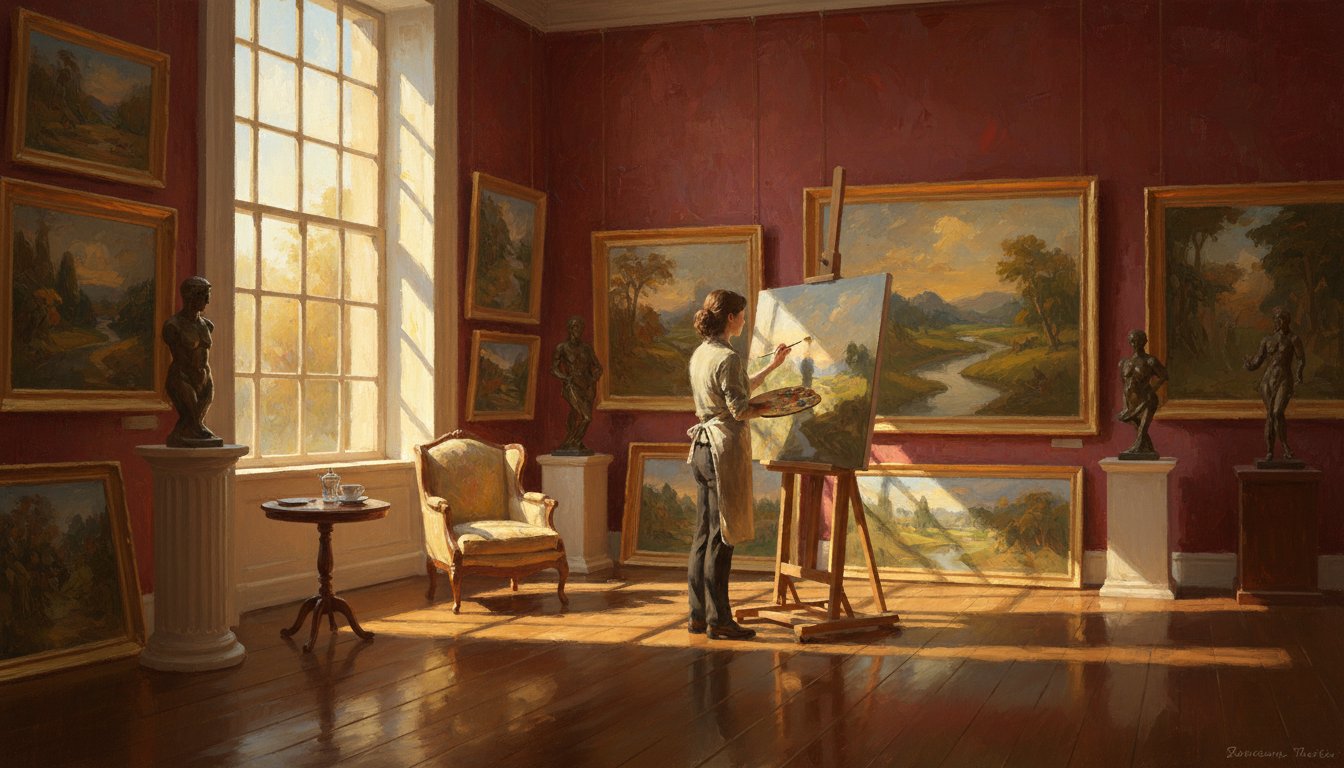
How to Decide Between a Print and a Painting
The decision framework is simpler than most articles make it:
- Consider the purpose. Is this decorative or meaningful? Prints work brilliantly for filling wall space with beautiful imagery. Paintings work when the image itself carries personal weight — a wedding photo, a pet, a family moment.
- Factor in the room. Prints suit modern, clean interiors. Paintings anchor traditional or eclectic spaces. A hand-painted piece adds warmth and texture that photographs and prints physically cannot replicate.
- Be honest about budget. A high-quality gallery print costs $50 to $150. A hand-painted portrait costs $150 to $400. The price gap is real, but the longevity and emotional weight differ proportionally.
- Think about longevity. Canvas prints fade over decades, especially in direct light. Oil paintings, properly cared for, last centuries — literally. If this is a piece you want to pass down, the math favors paint.
- Consider the commission process. If you order a painting, you will see a preview and can request changes. Prints are what-you-see-is-what-you-get.
The hybrid option many people overlook: order a high-quality print for everyday display in a high-traffic area, and commission a painting of your most important image for a prominent, protected spot. You get both coverage and meaning.
The Hidden Costs of Each Option
The sticker price is not the full story:
Canvas prints are cheap upfront ($30 to $120) but may need replacing after five to ten years due to fading, especially in rooms with direct sunlight. They arrive ready to hang but offer zero emotional narrative beyond the photograph itself.
Hand-painted portraits cost more initially ($150 to $500) but are genuine one-of-a-kind artworks that appreciate in sentimental value. Oil paintings in particular last for centuries with minimal care. They arrive unframed — custom framing adds $50 to $200 depending on size and style.
Giclee prints (high-end reproductions of original paintings) offer a middle ground: $80 to $200 for gallery-quality printing on archival paper or canvas. They look like paintings from a distance but lack the physical texture of actual brushstrokes.
The total cost of ownership over twenty years favors paintings, especially for images with personal significance. Prints are disposable art — meant to rotate as tastes change. Paintings are permanent fixtures — meant to become family heirlooms.
When a Print Is the Better Choice
Paintings are not always the answer. Prints make more sense when:
- You want to display many images. A gallery wall of ten hand-painted portraits would cost thousands. Ten high-quality prints cost under $500 and create the same visual impact.
- The image is not personal. Landscape photography, abstract art, or decorative images do not benefit from the painting process. Save the commission budget for images that carry personal meaning.
- You redecorate frequently. If you change your decor style every few years, prints give you flexibility. A painting is a commitment.
- The recipient prefers photography. Some people value photographic accuracy over artistic interpretation. Know your audience.
Care and Longevity
How you maintain your wall art determines how long it lasts:
Canvas prints. Avoid direct sunlight — UV exposure causes fading within three to five years. Dust with a dry microfiber cloth. Do not use cleaning solutions. If the print is on stretched canvas without a frame, it will eventually sag at the corners. Restretchable frames help, but most people simply replace the print.
Oil paintings. Keep away from direct sunlight and extreme humidity. Dust gently with a soft brush — never use wet cloth or cleaning products on oil paint. A properly varnished oil painting in normal indoor conditions will last for centuries. If the varnish yellows over decades, a professional conservator can clean and re-varnish it.
Watercolor and acrylic. Frame under UV-protective glass. Watercolors are the most light-sensitive medium — without glass protection, colors fade noticeably within a decade. Acrylics are more durable but still benefit from UV protection.
Metal and acrylic prints. The most durable modern option. No glass to break, no canvas to sag, no paint to crack. Simply wipe with a damp cloth. Expected lifespan with normal care: twenty-plus years with minimal fading.
For a deeper understanding of art preservation, the Smithsonian's conservation resources cover how different mediums age over time — relevant for anyone deciding between a print and a painting as a long-term investment. Artsy's collecting guide also provides practical advice on evaluating original artwork versus reproductions.
Frequently Asked Questions
Is a canvas print the same as a painting?
No. A canvas print is a photograph or digital image printed onto canvas material using an inkjet printer. A painting is created by hand with physical paint — oil, acrylic, watercolor, etc. They look different up close: prints have a uniform dot pattern; paintings have visible brushstrokes and texture.
Will a canvas print last as long as a painting?
Not typically. Canvas prints can fade over five to twenty years depending on UV exposure and print quality. Oil paintings, properly cared for, last centuries. Archival-quality prints with UV-protective coating last longer but still cannot match the permanence of paint on canvas.
When does it make sense to choose a print over a painting?
When you want to display the same image in multiple locations, when budget is a primary concern, when you need it quickly (prints ship in days, paintings take weeks), or when the image is decorative rather than deeply personal. Prints are also better for frequently rotated gallery walls.