There is a particular kind of helplessness that comes after losing a pet. You have hundreds of photos on your phone, but scrolling through them feels like pressing on a bruise. The house still smells like them. The quiet is wrong.
People around you may not fully grasp the weight of it. Colleagues offer a day of sympathy; friends send a heart emoji. But the bond you had with your pet was daily, physical, unconditional—and the void it leaves is not something a text message can fill.
This article explores why so many people turn to a painted portrait as part of their coping process, how the experience works from start to finish, and what to expect emotionally when the painting arrives.
TL;DR: A hand-painted pet portrait converts an intangible loss into something visible and lasting. The process itself—choosing the photo, selecting a medium, approving the preview—can be therapeutic. This guide covers why it helps, how the process works, what the options cost, and what to expect.
Why People Choose a Portrait Over Other Memorials
Grief counselors at the Cornell Pet Loss Support Hotline (607-218-7457) observe that tangible memorials often help pet owners transition from acute grief to gentle remembrance. The reason is straightforward: grief without a focal point can feel directionless. A portrait gives it somewhere to land.
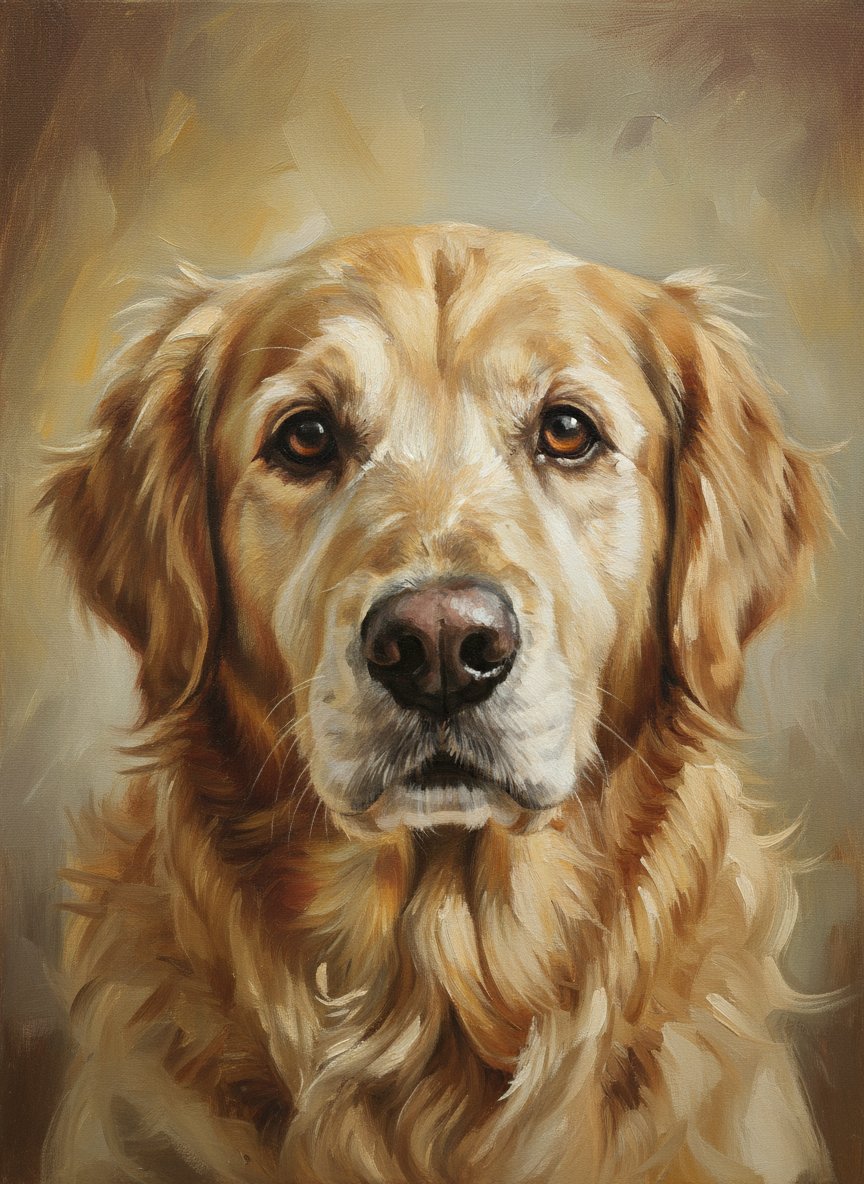
A photo already exists on your phone, so why does a painting feel different? Because a painting is an interpretation. A real artist looks at the photograph you provide and renders not just the physical likeness but the warmth, the character, the personality behind the eyes. The result is not a reproduction—it is a tribute. It belongs on a wall, not in a camera roll.
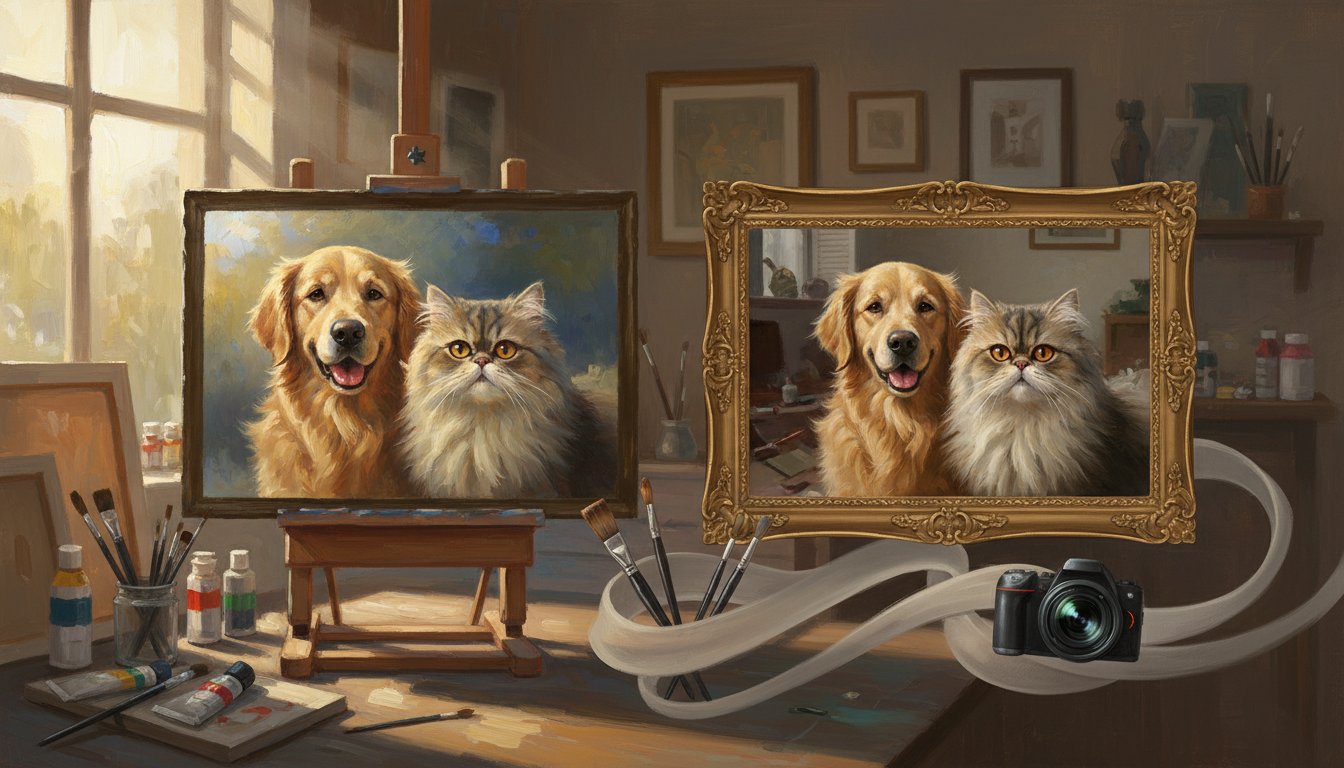
That distinction matters more than it sounds. A framed photo reminds you of a moment. A painted portrait reminds you of who they were.
How Memorial Portraits Compare to Other Options
Before committing, it helps to see how a hand-painted portrait stacks up against other ways people memorialize their pets:
| Memorial Option | What You Get | Longevity | Emotional Depth | Cost Range |
|---|---|---|---|---|
| Hand-painted portrait (oil) | One-of-a-kind artwork from your photo | 50+ years | Very high—artist captures personality | $149 – $350 |
| Hand-painted portrait (watercolor) | Softer, lighter rendition | 50+ years | High—gentle and ethereal feel | $99 – $250 |
| Canvas print | Mass-produced reproduction | 10–20 years | Low—identical to the photo | $20 – $80 |
| Digital illustration | Stylized cartoon or vector | Digital file | Medium—cute but impersonal | $30 – $100 |
| Photo in a frame | Standard framed print | Years | Low—already on your phone | $15 – $40 |
| Digital rotating frame | Electronic photo slideshow | 2–5 years (hardware) | Low—tech-dependent | $50 – $150 |
The hand-painted option costs more, but it is the only one where a human being interprets the image and creates something that did not exist before. That uniqueness is what gives it emotional weight.
How the Process Works, Step by Step
One of the reasons a portrait helps with grief is that the process itself is gently engaging. It gives you something constructive to do during a period when everything else feels passive and heavy.
Step 1: Choose Your Photograph
Pick the photo that best captures who they were. It does not need to be professional—a clear phone shot where their face, eyes, and coloring are visible is more than enough. Many people choose a candid moment: sleeping in a sunbeam, mid-walk, or looking up from their favorite spot.
Step 2: Select a Medium
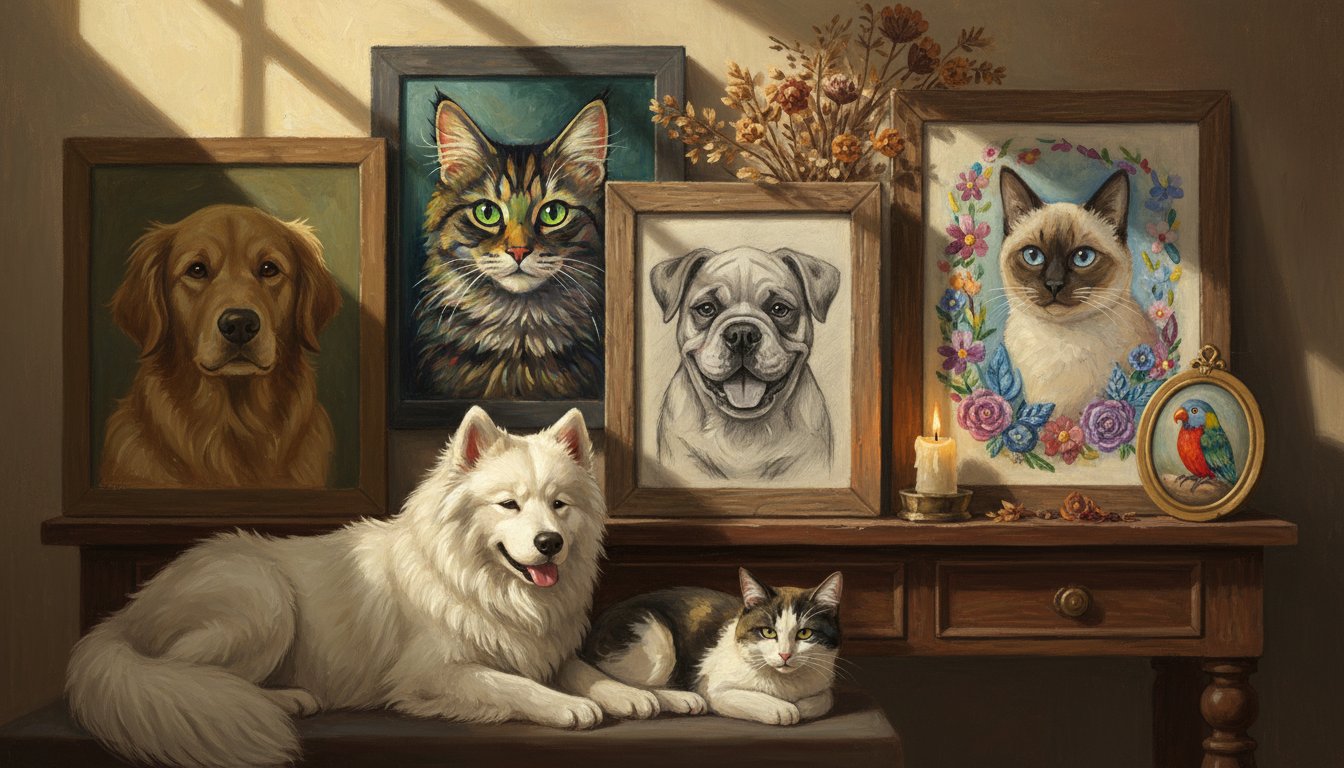
Each painting medium carries a different emotional tone. Oil creates warmth and richness. Watercolor feels soft and peaceful. Charcoal adds dramatic elegance. Pencil sketch offers delicate intimacy. Pastel provides gentle comfort. Acrylic delivers bold vibrancy. Choose whichever resonates with how you remember them.
Step 3: Place Your Order and Pay the Deposit
With most reputable studios, you pay a partial deposit—not the full price—to begin. This protects you financially while the artist starts work.
Step 4: Review the Preview
Before the painting is finished, you receive a preview for your approval. This is your chance to request changes to composition, color, or expression. You are not locked in until you say the work captures what you had in mind.
Step 5: Approve, Pay the Balance, and Receive
Once you approve the preview, the artist completes the final piece. It ships to your door—typically within seven to ten days from the initial order.
At Art & See, this entire process is handled through a simple online flow. You can browse examples of pet portraits to see the quality and range of styles before you begin.
What to Expect When the Painting Arrives
People describe the moment differently. Some cry. Some laugh. Some just stand in front of it quietly for a long time.
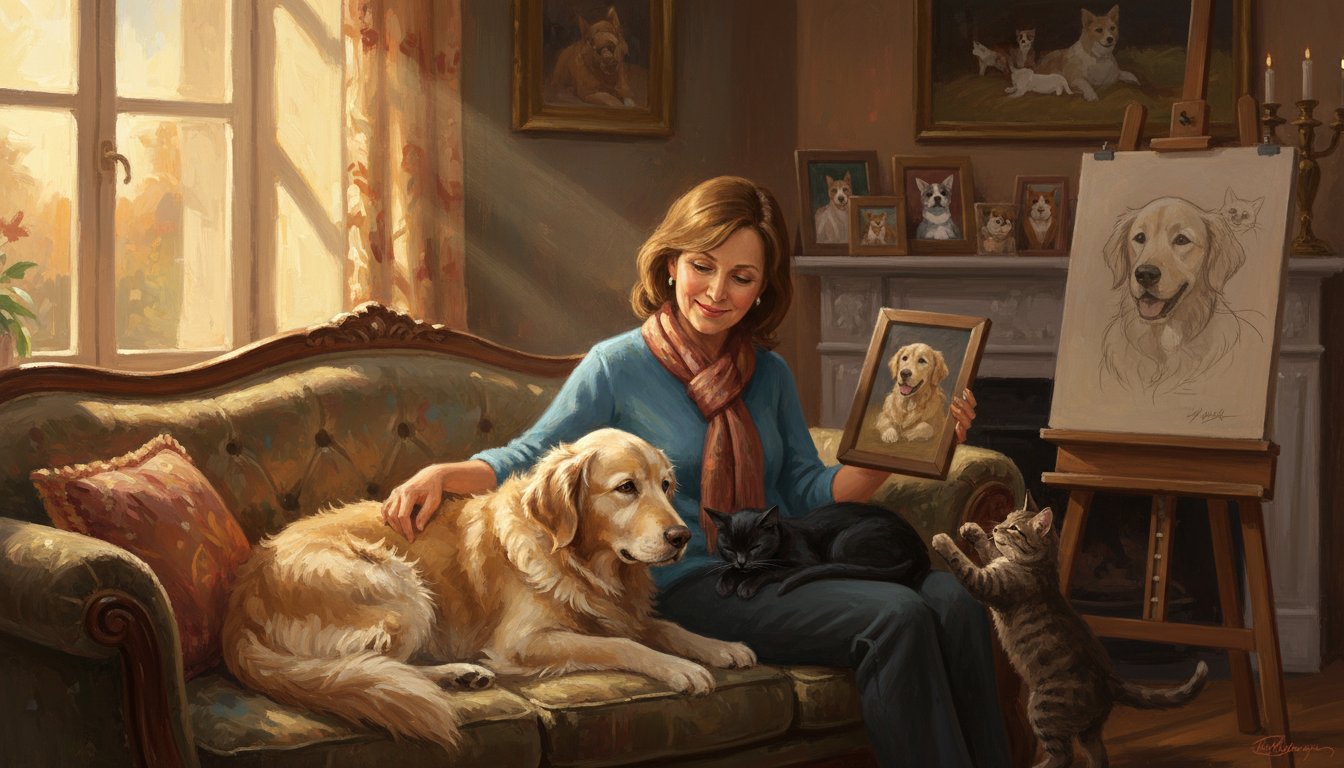
The most common reaction, reported across pet loss forums and bereavement groups, is a sense of validation. The painting says: this bond was real, it was significant, and it deserves to be seen. Hanging it in a central spot—a hallway, the living room, near the door where they used to greet you—turns the memorial into a daily presence rather than a hidden keepsake.
Over the following weeks, most owners notice a gradual shift. The painting stops triggering acute grief and starts evoking warmth. It becomes the thing visitors comment on, the thing that opens conversations, the thing that proves to the world what your pet meant to you.
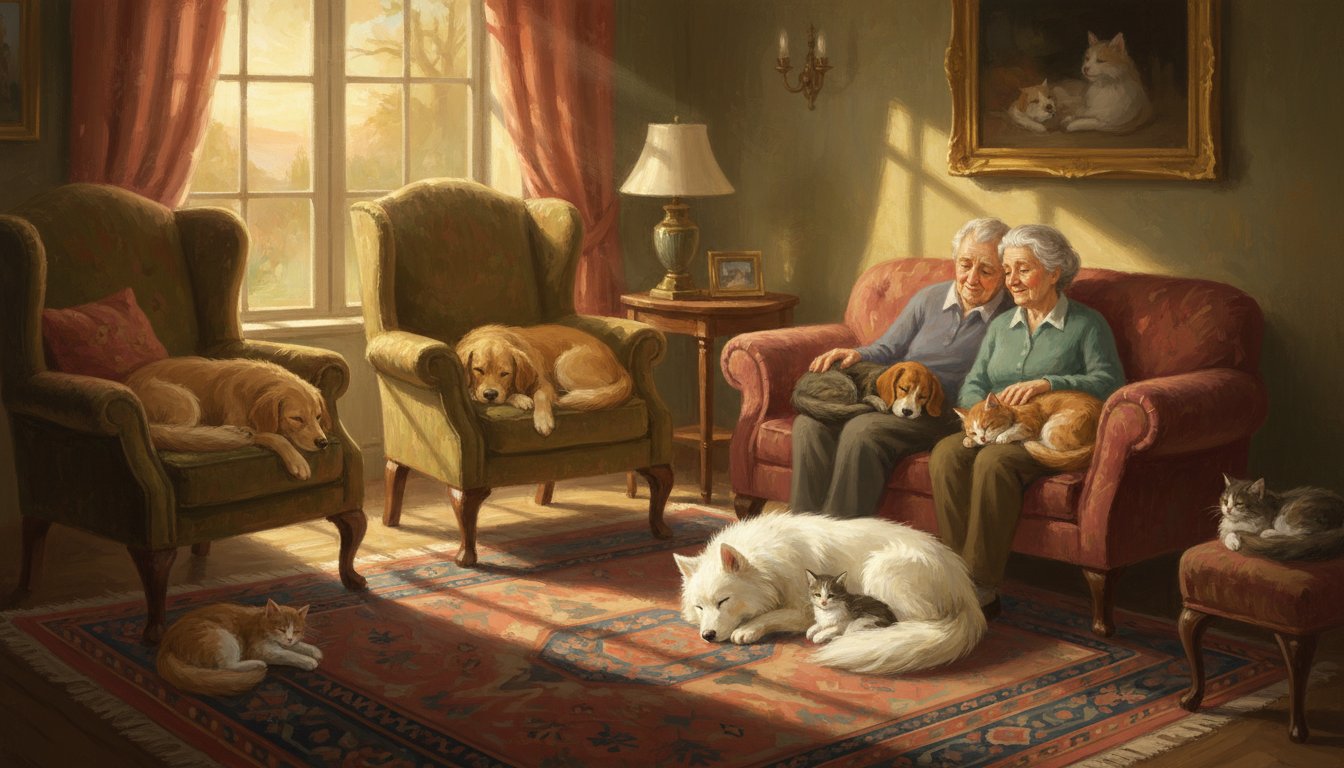
It Is Not Just About Coping—It Is About Honoring
A memorial portrait serves two audiences. For you, it is a tool for processing grief. For everyone who enters your home, it is a statement: this was family. Visitors see it and understand without you having to explain. It validates the loss that some people minimize with phrases like "it was just a pet."
It was not just a pet. You know that. A painting on the wall makes sure everyone else knows it too.
If you are exploring options, compare studios at best custom pet portrait companies, read about navigating pet loss, or find meaningful gifts for someone who lost a pet.
The Psychology Behind Keeping Visual Reminders
Grief researchers have studied the role of continuing bonds — the idea that maintaining a connection with the deceased (human or animal) is healthy, not avoidant. A portrait is one form of continuing bond. Unlike a photograph, which captures a literal moment, a painting interprets the subject. It adds warmth, texture, and the artist's perception of character.
Dr. J. William Worden's task model of mourning identifies four tasks: accepting the reality of the loss, processing the pain, adjusting to a world without the deceased, and finding a way to maintain a connection while moving forward. A portrait addresses that fourth task directly — it creates a permanent, deliberate place for the relationship to continue.
This is not sentiment. It is supported by decades of bereavement research. The Association for Pet Loss and Bereavement provides additional resources for people navigating this process.
Choosing the Right Photo for a Portrait
Not every photograph translates well to a painting. Here is what works best:
- Clear eyes and expression. The eyes carry the personality. A photo where your pet is looking at the camera or at you tends to produce the most emotionally resonant portraits.
- Natural lighting. Indoor photos under harsh fluorescent light create flat, yellow tones. Natural light — near a window, in the yard — gives the artist more to work with.
- Characteristic pose. The sleeping curl. The head tilt. The goofy tongue-out moment. Choose the pose that makes you say "that is so them."
- Do not worry about perfection. Skilled painters work from imperfect photos every day. Multiple reference photos help fill in details that a single image misses.
What to Expect from the Emotional Process
Commissioning a portrait of a pet you have lost is not a purely practical transaction. It is an emotional experience, and knowing what to expect helps:
Choosing the photo may be harder than you anticipate. Scrolling through old photos of your pet can trigger intense waves of grief, especially in the first few months. Some people find it helpful to have a friend or family member help select the image.
The preview stage can be surprisingly moving. When the artist sends the digital proof and you see your pet rendered in paint for the first time, the emotional response is often stronger than expected. People describe it as seeing their pet "alive" again in a different form.
Receiving the finished piece creates a new kind of presence. The portrait does not replace the pet. But it occupies physical space in the home — a wall, a shelf, a mantle — and over time it becomes a natural part of the environment. Many people report that the portrait shifts from a source of sadness to a source of comfort within a few months.
The process itself can be therapeutic. Selecting the photo, choosing the medium, describing your pet's personality to the artist, reviewing the proof — each step is an act of remembrance. For people who process grief through action rather than stillness, this structure can be genuinely helpful.
The bond you had with your pet does not end with their death. It transforms — from daily presence into permanent memory, from shared routines into lasting impressions. A portrait is one way to give that transformation a physical form.
Frequently Asked Questions
Does commissioning a portrait actually help with grief, or is it just spending money?
Grief research suggests that creating tangible memorials aids in processing loss by externalizing emotion. A portrait gives the grief somewhere physical to live. Many owners report that within weeks of hanging the painting, their daily emotional response shifts from acute pain to gentle remembrance.
What if the finished portrait does not look like my pet?
Reputable studios include a preview step before the painting is finalized. You review the work in progress, request adjustments, and only approve when the likeness feels right. If you are not satisfied, the artist revises it at no extra charge.
My pet passed years ago. Is it too late to order a memorial portrait?
Not at all. There is no expiration on honoring a life that mattered to you. As long as you have a photograph that captures their face and personality, an artist can create a portrait regardless of how much time has passed.