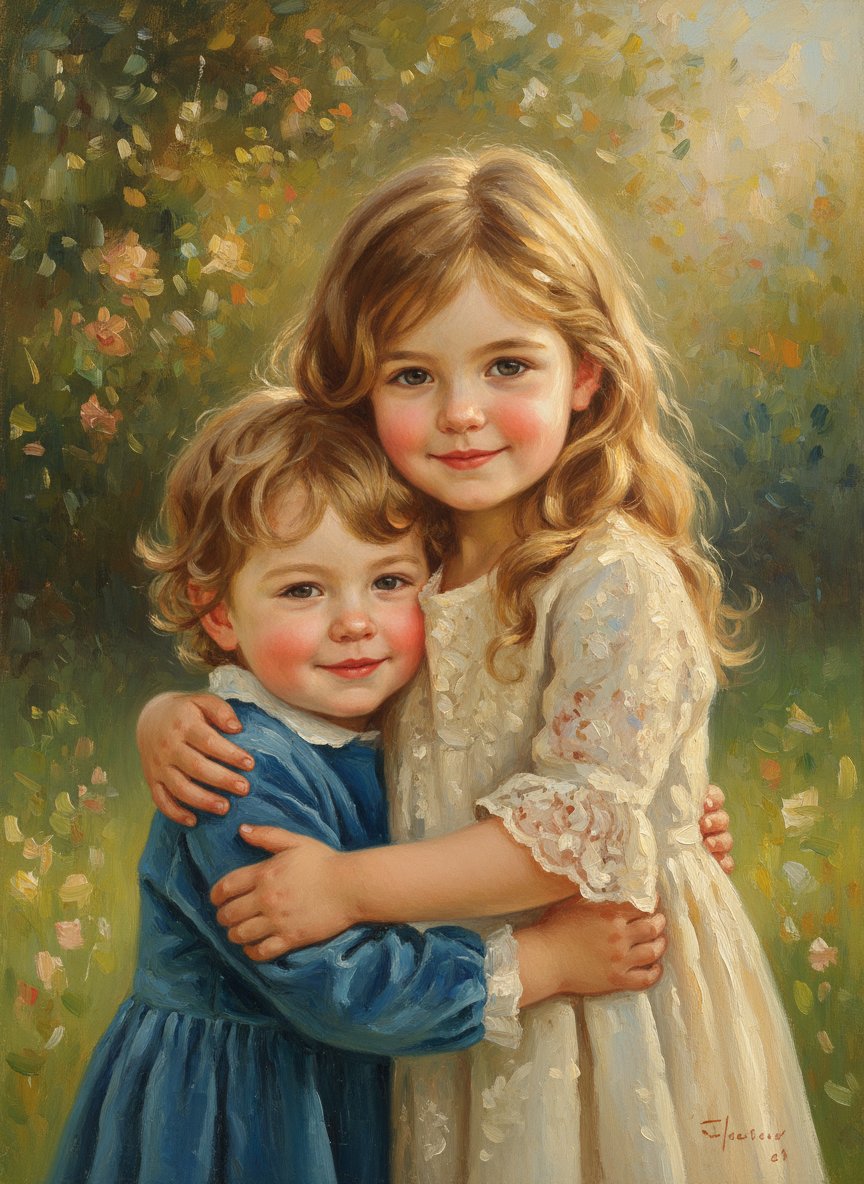
Siblings share a bond that no other relationship replicates. They know each other at every age — before manners, before filters, before the rest of the world had any influence. A photograph captures a moment of that bond. A painted sibling portrait captures the feeling.
This guide covers twelve sibling picture ideas — from classic poses to candid compositions — with practical advice on how to photograph siblings, which poses work at which ages, and how to turn the best photo into a painting.
TL;DR: Twelve sibling pose and composition ideas, from the classic arm-around-shoulder to playful candid shots. Each idea includes age suitability, photo tips, and medium suggestions. Comparison table and ordering guidance at the end.
12 Sibling Picture Ideas
1. The Classic Arm-Around-Shoulder
The most timeless sibling pose. One arm over the shoulder, both facing the camera, genuine smiles. It works at every age — from toddlers to adults. The simplicity is the strength: decades later, this is the portrait that looks exactly right.
Best for: All ages. Especially strong for adult siblings who want a formal tribute.
Medium suggestion: Oil for warmth; charcoal for timeless elegance.
2. Sitting on Steps (Age Order)
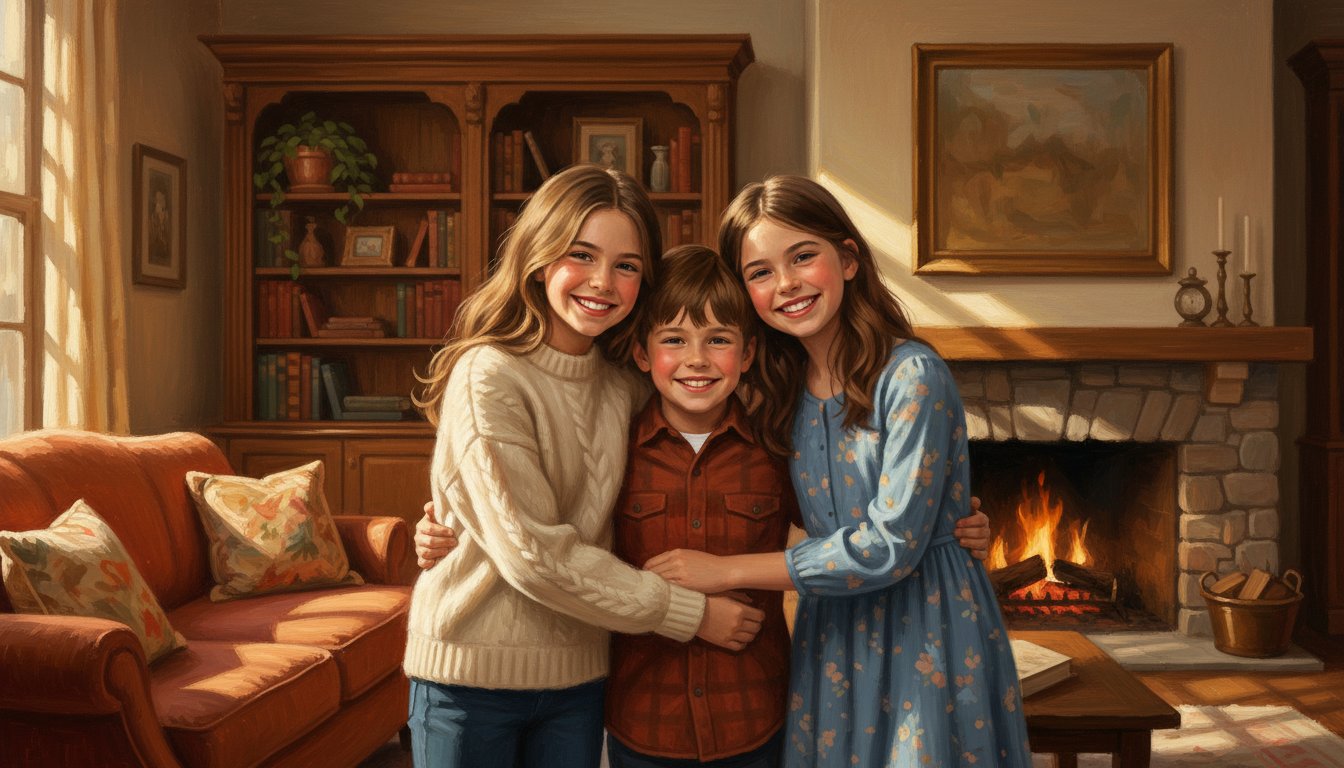
Siblings seated on porch steps, front steps, or a staircase — arranged by age from top to bottom or left to right. The elevation difference creates a natural composition and visual hierarchy. Works especially well for three or more siblings.
Best for: Families with three to five siblings. Ages 4 and up.
Medium suggestion: Acrylic for bold outdoor light; watercolor for softer tones.
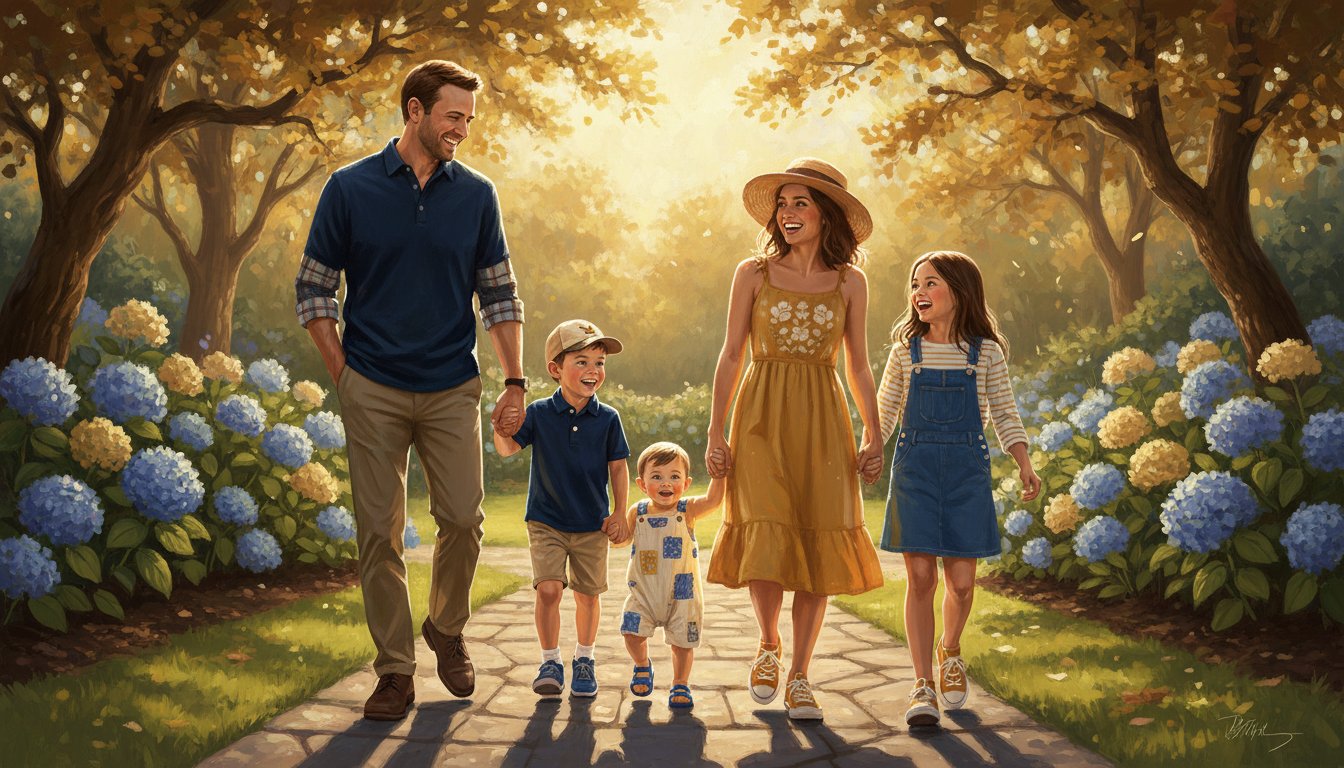
3. Walking Away Together
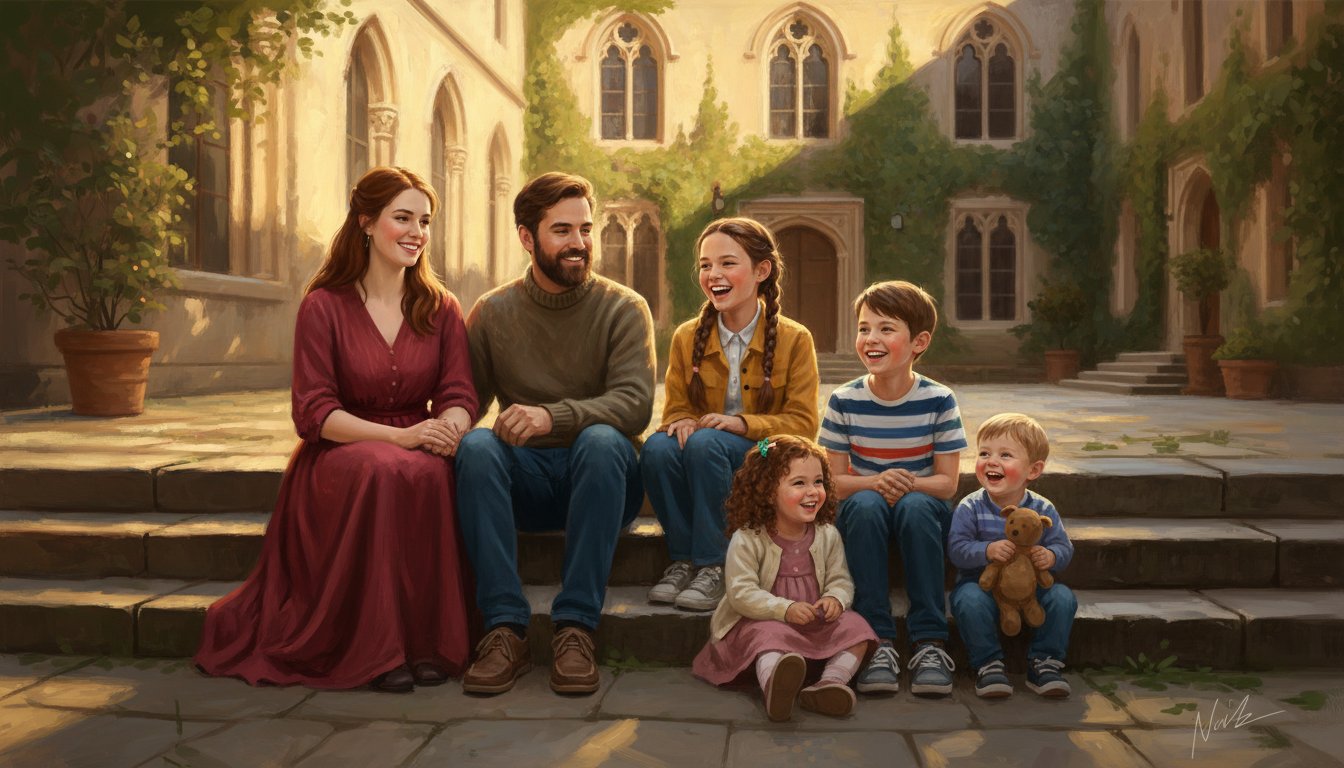
Siblings photographed from behind, walking hand-in-hand or side-by-side down a path, a beach, or a field. The anonymity of the pose — no faces visible — makes it universally relatable. It captures the journey rather than the moment.
Best for: Young children (3-8). The height difference between a toddler and an older sibling makes this pose especially charming.
Medium suggestion: Watercolor for a dreamy, painterly feel; pastel for warm light.
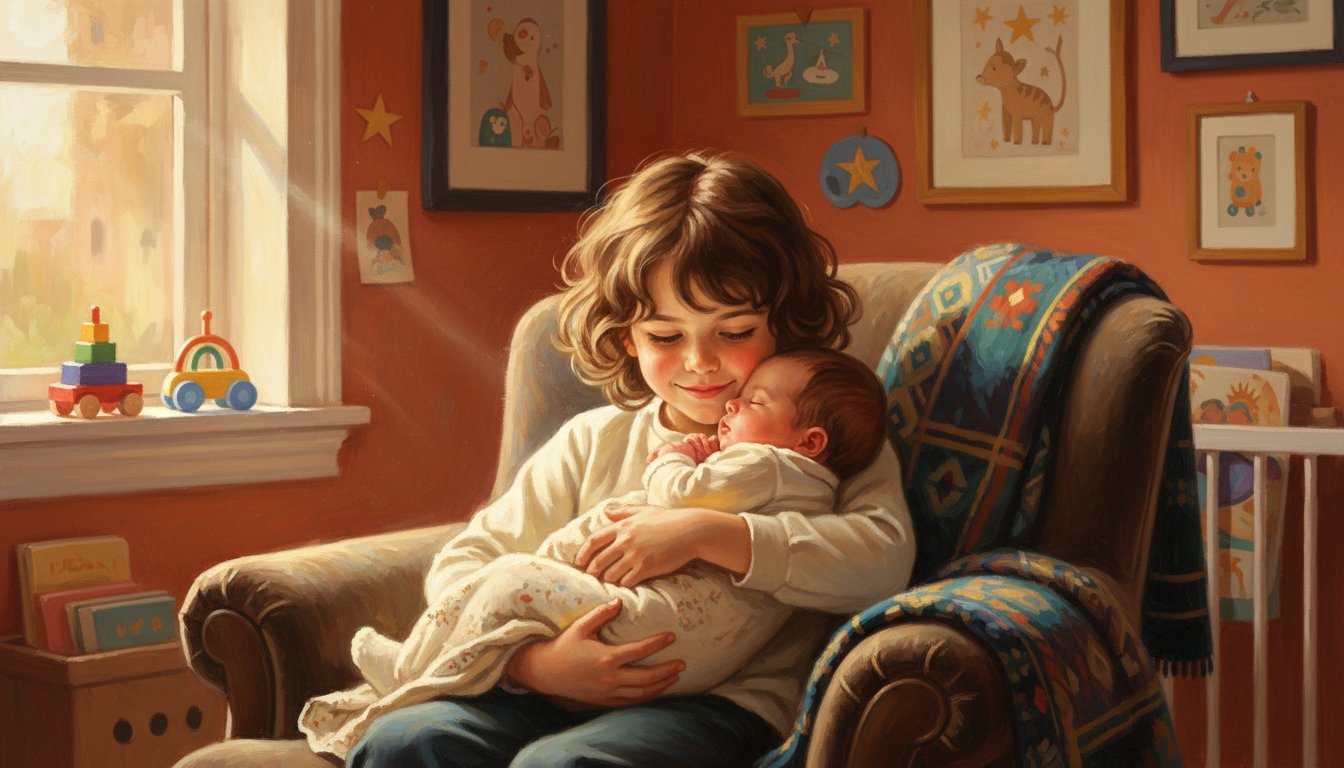
4. Baby in Older Sibling's Arms
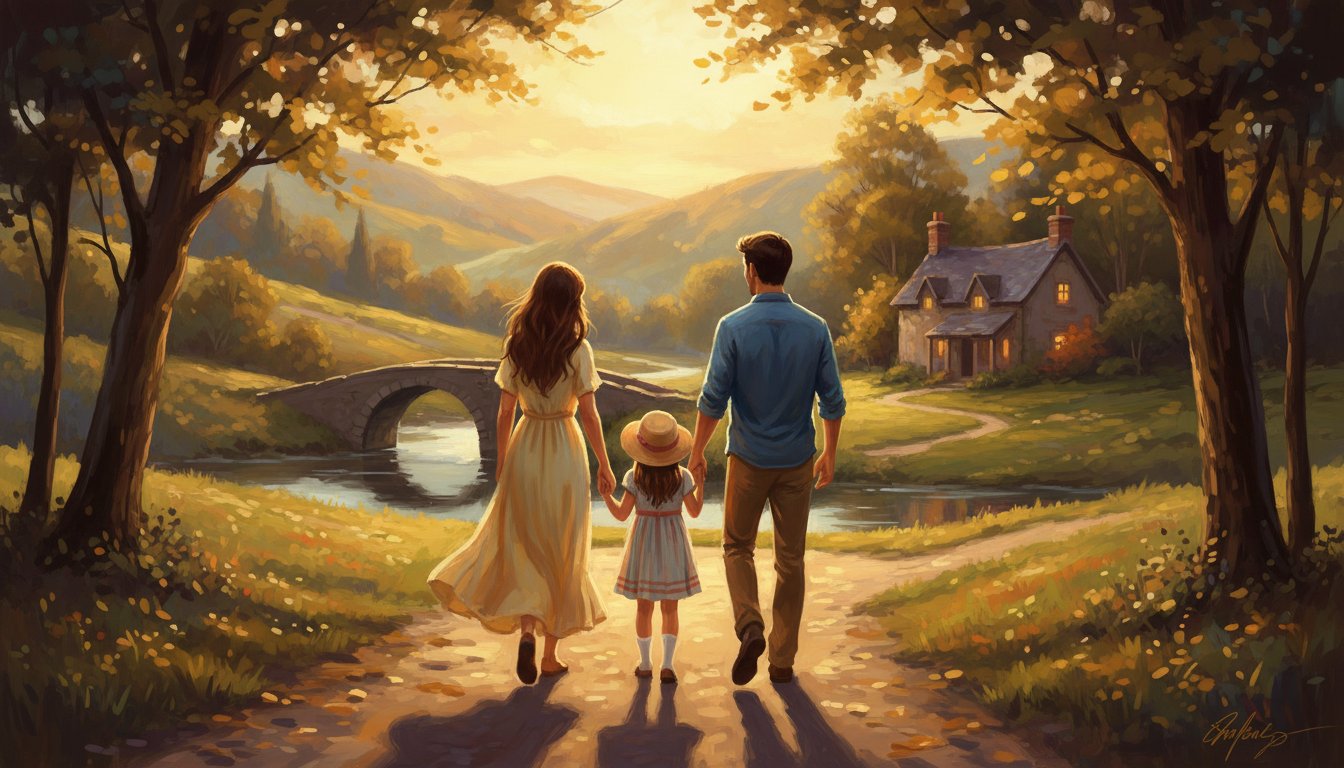
The older child holds the baby — sitting on a bed, a couch, or the floor. The tenderness of this pose is immediate and powerful. It captures the beginning of the sibling relationship, before words, before rivalry, when one simply holds the other.
Best for: Newborns with siblings ages 3 and up. Best captured within the first few weeks.
Medium suggestion: Pencil for intimacy; pastel for softness.
5. Matching Outfits (Coordinated, Not Identical)
Siblings wearing coordinated colors or styles — not identical outfits (that looks forced), but complementary tones. White shirts and jeans, earth tones, navy and cream. The coordination creates visual harmony without looking like a costume.
Best for: All ages. Works especially well for holiday portraits and annual traditions.
Medium suggestion: Oil for richness; acrylic for vibrancy.
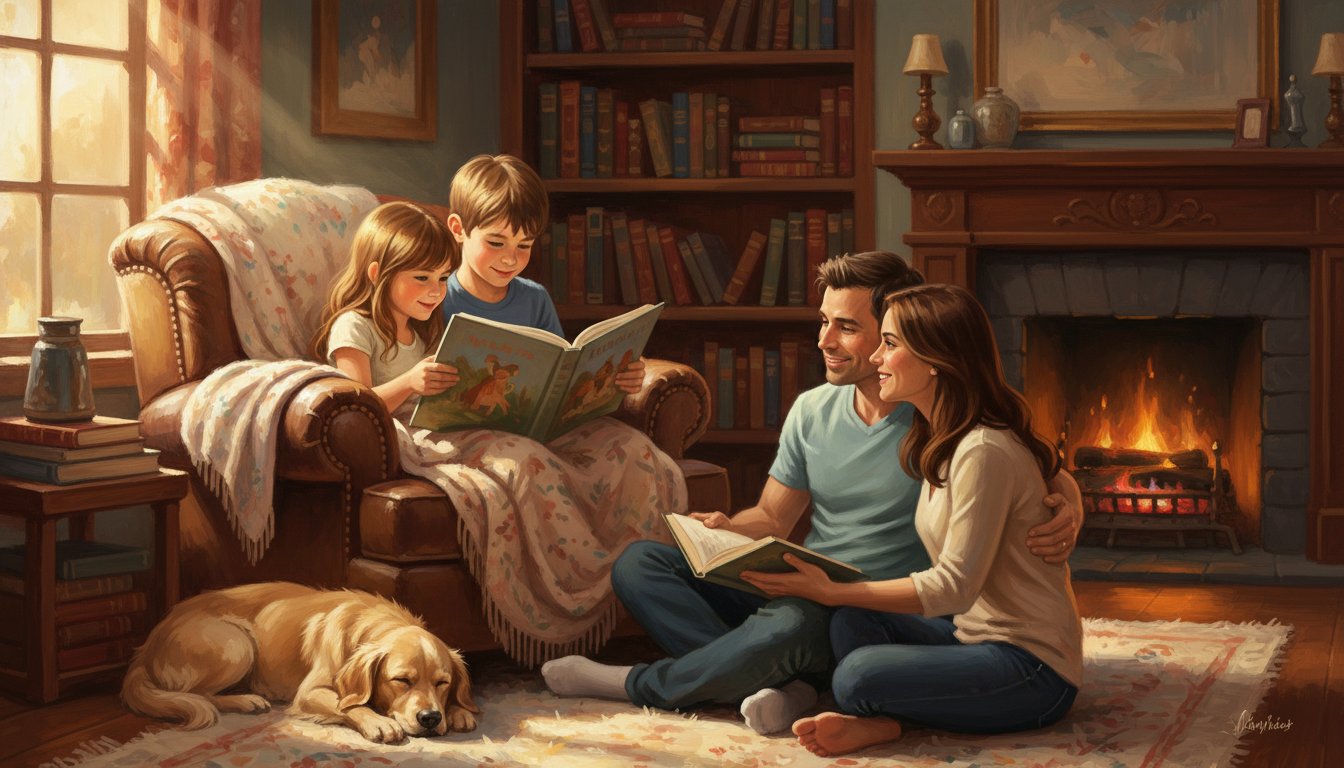
6. Reading Together
Siblings curled up with a book — on a couch, a bed, or a blanket in the yard. One reads aloud while the other listens, or both are absorbed in the same page. This pose captures a quiet, intellectual bond that many families value.
Best for: Ages 4-12. Works for mixed ages where the older child reads to the younger.
Medium suggestion: Watercolor for softness; pencil for detail.
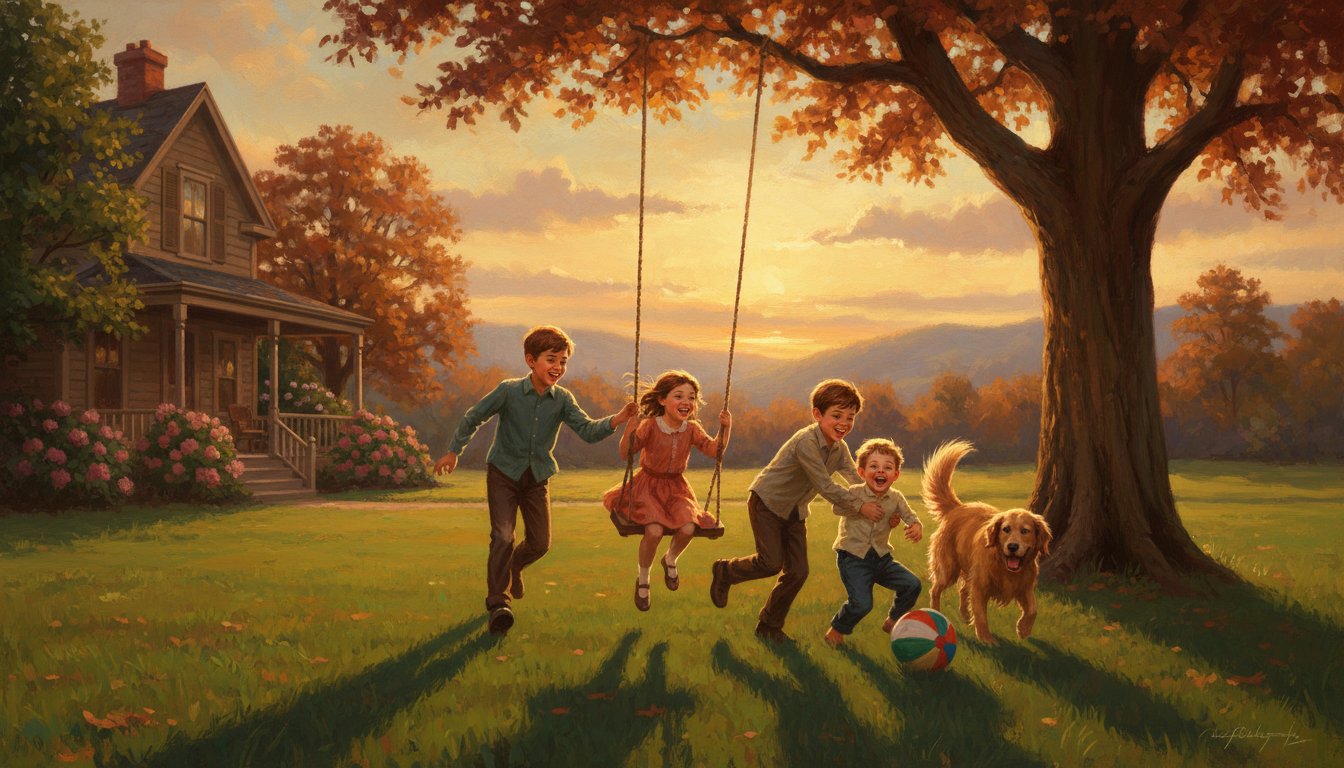
7. Playing in the Yard
Running, jumping, chasing, laughing — siblings in motion. This candid approach captures the energy and chaos of the relationship. The painting will have movement, blur, and life. It will not look posed because it is not.
Best for: Ages 3-10. Requires burst-mode photography to catch the right moment.
Medium suggestion: Acrylic for energy; oil for warmth.
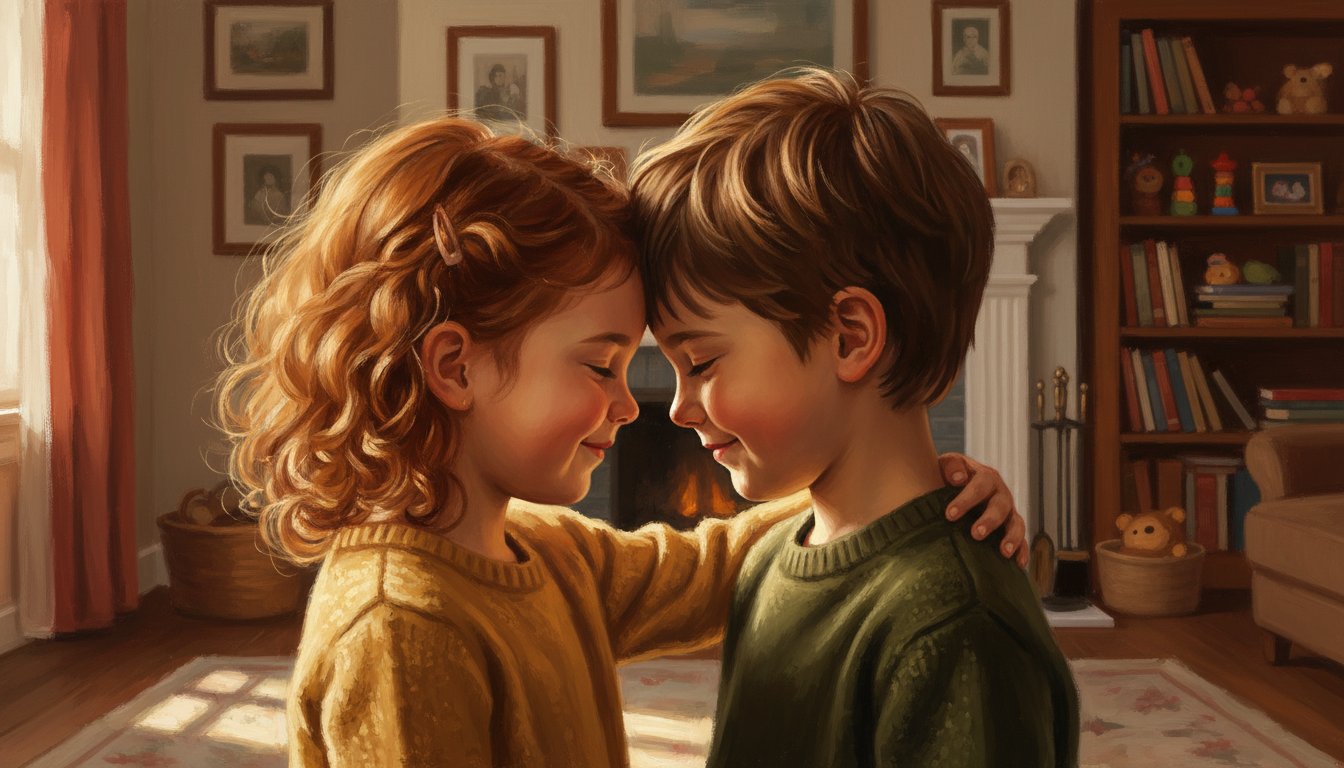
8. Forehead to Forehead
Siblings touching foreheads, eyes closed or looking at each other. A deeply intimate pose that works at every age — from toddlers to adult siblings. It communicates closeness, trust, and a shared inner world.
Best for: Two siblings of similar height. All ages.
Medium suggestion: Charcoal for drama; pencil for delicacy.
9. Annual Growth Photo
The same pose, the same spot, every year. Line them up by the front door, the same tree, the same wall, and photograph them annually. After five years, display all five portraits together. The progression is the story.
Best for: Starting when the youngest is a baby. Continue indefinitely.
Medium suggestion: Consistent medium across all years (oil or acrylic recommended).
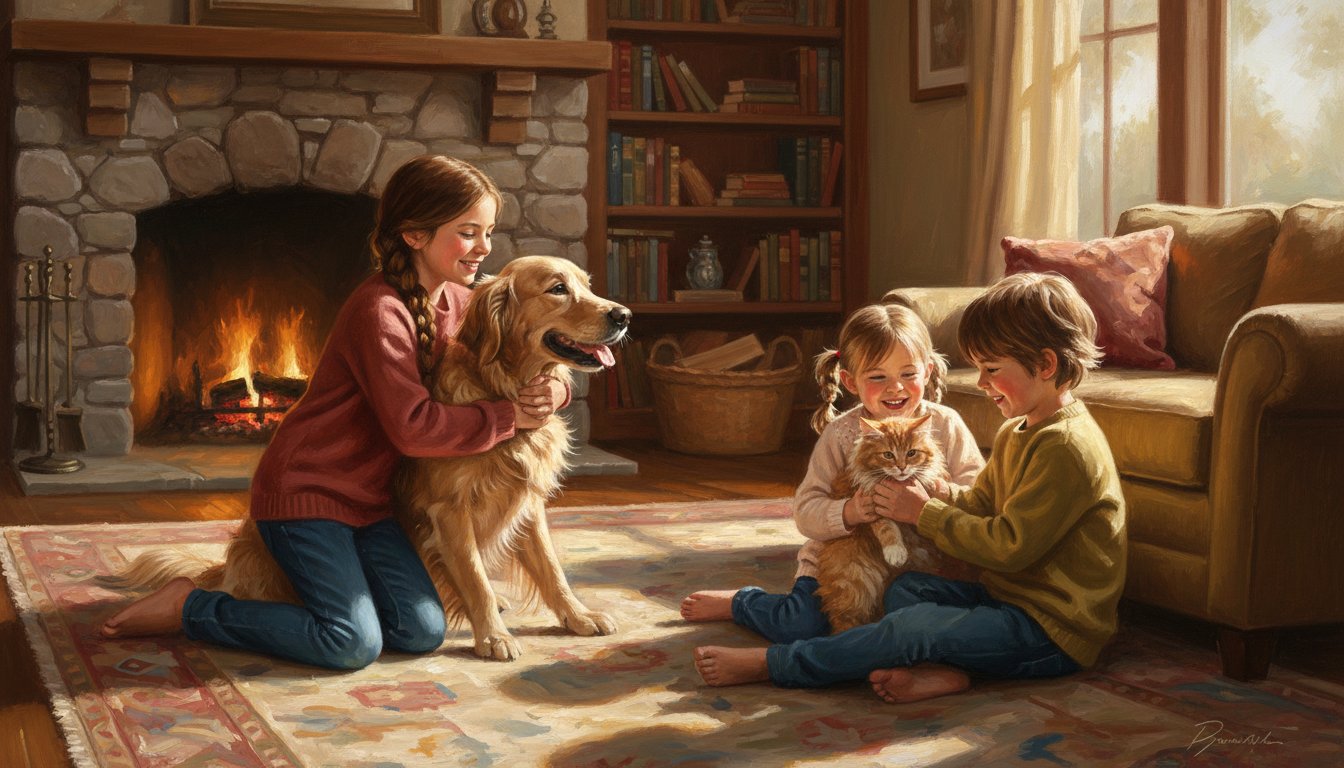
10. Siblings With Their Pet
Include the family dog, cat, or any pet the siblings share responsibility for. The pet is part of the sibling dynamic — it is the thing they agree on when they disagree on everything else. A portrait that includes the pet feels complete.
Best for: Families with pets. All ages.
Medium suggestion: Oil for fur texture; acrylic for vibrant coats.
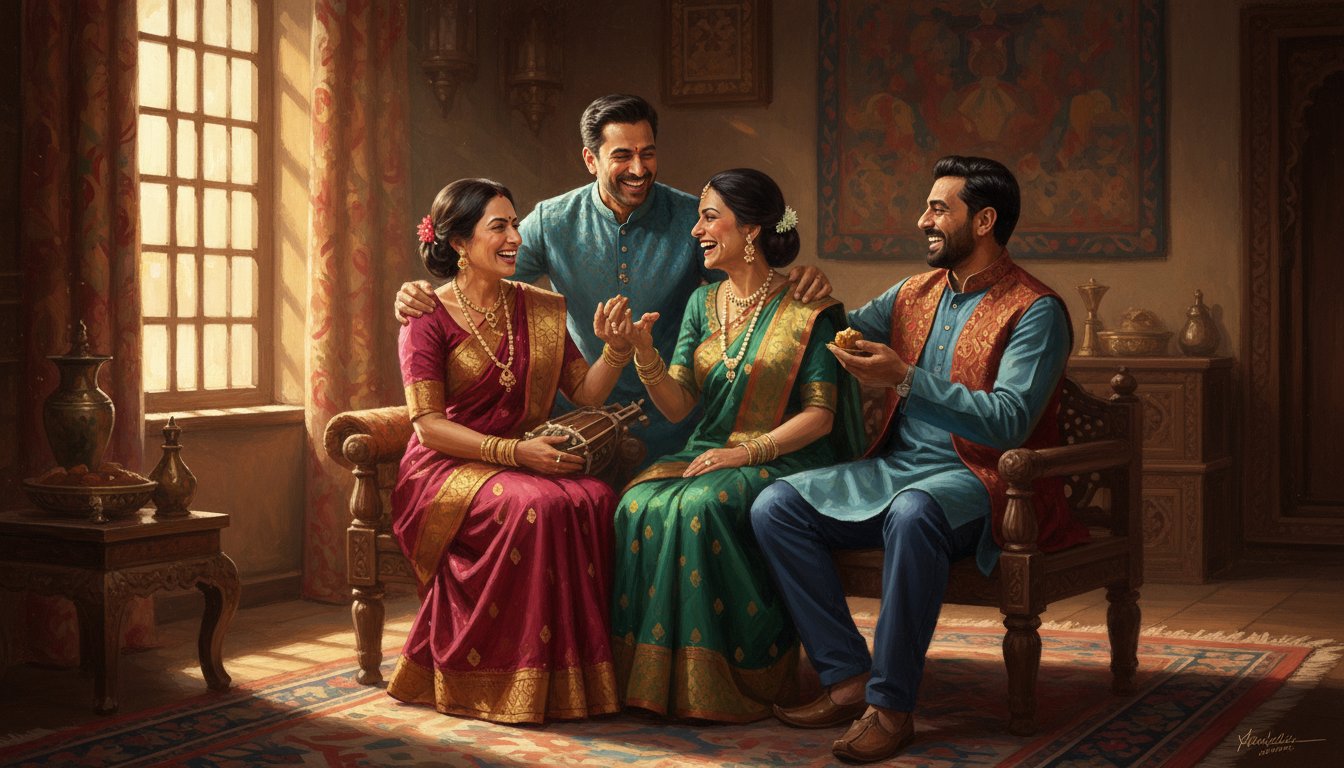
11. Heritage or Cultural Outfit
Siblings dressed in traditional clothing from their cultural heritage — a sari, a hanbok, a dirndl, a dashiki. The portrait becomes not just a sibling tribute but a celebration of family history and cultural identity.
Best for: Families who want to preserve cultural traditions. All ages.
Medium suggestion: Oil for rich fabric detail; pastel for warm skin tones.
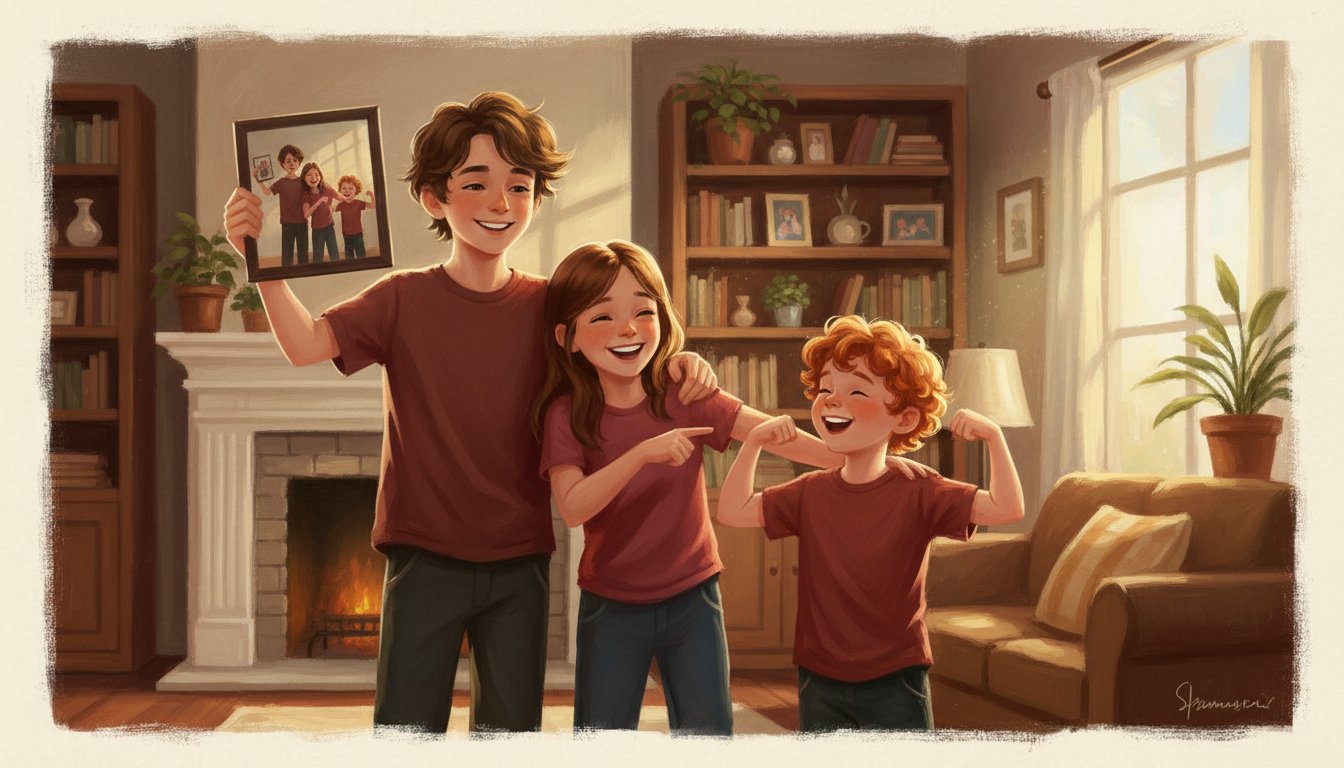
12. The Goofy One
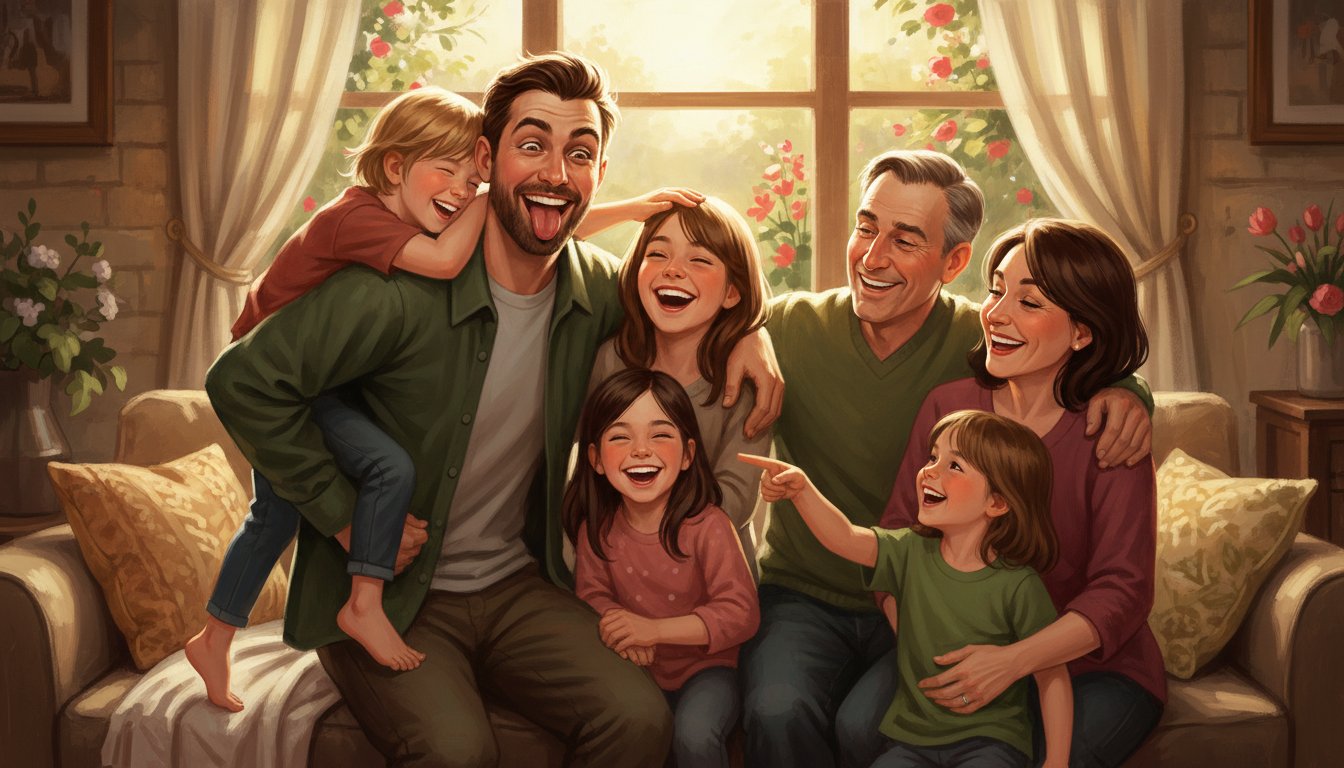
Funny faces, piggyback rides, headlocks, bunny ears. The portrait that captures who they really are when no adults are watching. These paintings hang in kids' rooms and make everyone smile every time they walk past.
Best for: Ages 3-15. Captures the real relationship, not the polished version.
Medium suggestion: Acrylic for color and energy; watercolor for playful softness.
Pose Comparison
| Pose | Best Age Range | Mood | Works for 2 Siblings? | Works for 3+? |
|---|---|---|---|---|
| Arm-around-shoulder | All ages | Classic, formal | Yes | Yes |
| Steps (age order) | 4+ | Structured, charming | Okay | Best |
| Walking away | 3-8 | Dreamy, universal | Yes | Yes |
| Baby in arms | Newborn + older | Tender, intimate | Yes | No |
| Coordinated outfits | All | Polished, cohesive | Yes | Yes |
| Reading together | 4-12 | Quiet, intellectual | Yes | Yes |
| Playing in yard | 3-10 | Energetic, candid | Yes | Yes |
| Forehead to forehead | All | Intimate, emotional | Yes | With pairs |
| Annual growth | Start young | Progressive, nostalgic | Yes | Yes |
| With pet | All | Warm, inclusive | Yes | Yes |
| Heritage outfit | All | Cultural, proud | Yes | Yes |
| Goofy | 3-15 | Fun, authentic | Yes | Yes |
How to Get Started
- Choose a pose from the ideas above based on your children's ages and personalities.
- Take the photos using the tips in each section. Burst mode, natural light, minimal posing.
- Select a medium — the table above suggests one for each pose. When in doubt, oil works for everything.
- Order through a portrait studio. Art & See accepts phone photos and includes a preview-and-revision step. You can browse examples.
- Hang it where the kids see it. Their room, the hallway, the stairway wall. The portrait should be part of their daily life.
For related reading, explore family portrait ideas or family portraits with dogs.
Age-Specific Sibling Portrait Ideas
The right approach changes dramatically based on the ages involved:
Newborn and older sibling. The classic shot: older child holding the baby (with adult support just out of frame). This works best within the first two weeks when newborns are sleepiest. The older child does not need to be perfectly posed — their expression of curiosity, protectiveness, or mild confusion is part of the story.
Toddlers together. Forget posed. Capture them playing. A painting made from a candid moment of two toddlers building blocks or chasing each other through a yard captures their relationship more honestly than any arranged composition.
School-age children. This is the sweet spot for sibling portraits. They can follow basic direction, they still have natural affection for each other (mostly), and their personalities are distinct enough to shine through. Let each child wear something they chose themselves.
Teenagers and young adults. Posed portraits feel forced at this age. Instead, capture a natural interaction — cooking together, walking the dog, sitting on the front porch. The casualness reads as authenticity rather than performance.
Adult siblings. The most emotionally charged category, especially if the siblings live far apart. A portrait from a rare reunion — a holiday gathering, a wedding, a family vacation — carries weight precisely because those moments are scarce.
Gift Applications
A sibling portrait makes an exceptional gift for parents, particularly for milestone occasions: retirement, a significant birthday, Mother's or Father's Day. Having it painted rather than printed signals that the gift required planning, coordination, and care — exactly the qualities parents hope their children develop.
Making the Photo Session Fun (Not Forced)
The biggest obstacle to great sibling portraits is resistance — particularly from older children and teenagers. Here is how experienced family photographers handle it:
Make it an event, not a chore. Combine the photo session with something the kids enjoy — ice cream after, a trip to their favorite place, or a small bribe that you do not need to feel guilty about.
Give them autonomy. Let each child choose one outfit element, one pose, or one location. When children feel ownership over the process, resistance drops significantly.
Start with candid warmup time. Do not begin with the formal posed shots. Let the photographer capture ten minutes of natural interaction first — walking, talking, laughing. These often produce the best images.
Use humor. Ask siblings to make each other laugh. Tell them to do the silliest pose they can think of. Once the tension breaks, genuine expressions follow.
Keep sessions short. Thirty to forty-five minutes is the maximum for children under twelve. For teenagers, twenty minutes of focused shooting is often enough — they disengage quickly but cooperate intensely in short bursts.
For age-specific photography advice, Parents Magazine covers how to work with children at different developmental stages during photo sessions. Shutterfly's family portrait guide also includes practical pose suggestions that translate well to painted portraits.
Frequently Asked Questions
What age is best for a sibling portrait?
Every age works, but the most popular windows are early childhood (2-6 years, when poses are naturally adorable), adolescence (10-14 years, before self-consciousness takes over), and adulthood (when siblings live apart and want to commemorate their bond). An annual portrait captures the progression.
How do I get siblings to cooperate for a portrait photo?
The best sibling photos are candid — not posed. Let them play, read, or interact naturally while you shoot in burst mode. Bribery works for young kids: promise ice cream after the session. For teens, give them agency: let them choose the pose or the setting.
Can a painted sibling portrait include a sibling who has passed away?
Yes. Artists composite portraits from separate photos. You provide a reference of each sibling and the artist paints them together in a single scene. This is a common commission for families honoring a sibling who died young.