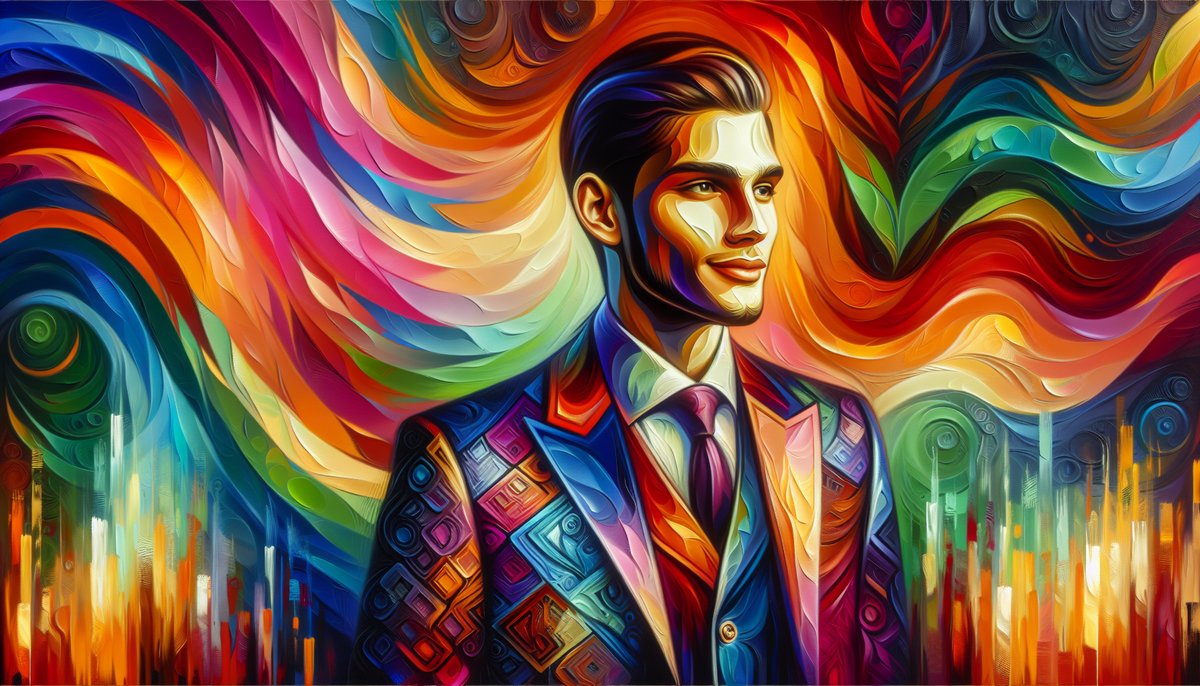
Custom portrait painting can transform your favorite memories into a timeless family heirloom or a heartfelt gift. Whether you are honoring a loved one, immortalizing a pet, or simply wanting to decorate with personalized artwork, this process is both rewarding and surprisingly straightforward. Below, you will find seven steps to guide you from gathering references to proudly displaying your finished piece.
Gather your favorite photos
Begin by selecting the images you love most. Ideally, pick well-lit snapshots that clearly show the subject’s facial features, personality, and color details. If you are commissioning a memorial portrait or a painting of your furry friend, gather as many reference pictures as possible. The better the references, the easier it becomes for an artist to capture the essence you want.
- Choose clear, high-resolution photos
- Avoid heavy filters or unnatural lighting
- Include multiple angles and close-ups
Pick the perfect medium
Think about how you want your portrait to look and feel. Some people cherish the fluid textures of oil painting, while others prefer the crispness of watercolor. Charcoal or pencil sketches can also be lovely if you enjoy a more minimalist style. Each medium offers a unique vibe, so explore your options before making a final decision.
- Oil paintings: Rich color depth and a classic touch
- Watercolor: Soft edges and a delicate mood
- Pencil or charcoal: Clean lines and dramatic contrasts
According to the Smithsonian American Art Museum, portrait painting techniques have evolved significantly over centuries, with each medium offering distinct advantages for capturing human expression and personality.
If you are looking for a specialized painter for your pet, consider working with a pet portrait artist who focuses on furry family members.
Choose your painting size
Next, decide how large or small you want your portrait to be. Smaller canvases can fit into cozy spaces or make wonderful gifts, while larger ones can become a statement piece in your living room. Also consider the shape—horizontal, vertical, or square—to suit the subject and the setting where you plan to hang it.
- Smaller pieces: 8x10 inches, ideal for desktops or small walls
- Medium artworks: 16x20 inches, perfect for moderate wall spaces
- Large portraits: 24x36 inches or bigger, a bold choice for spacious areas
Talk pricing and timeline
Prices can vary depending on the artist’s experience, painting size, and the complexity of the project. The timeline also hinges on these factors and whether you need your piece for an upcoming occasion.
| Size | Price Range | Typical Timeline |
|---|---|---|
| 8x10 in. (Small) | $100 – $400 | 1–2 weeks |
| 16x20 in. (Medium) | $300 – $800 | 2–4 weeks |
| 24x36 in. (Large) | $600 – $1,500+ | 4–6 weeks |
These numbers are only ballpark figures. Some artists may charge more for intricate details or for rush orders. Make sure you confirm final costs, shipping info, and any add-ons (like framing) to avoid surprises.
Approve the initial sketch
Once you place the order, many artists will provide a rough sketch or a digital mockup. This is your chance to suggest changes in composition, background color, or any other details. It is easier to tweak a sketch in the early stages than to correct a nearly finished painting. If you see anything you would like changed, let the artist know right away.
- Check facial details carefully
- Look at proportions and background layout
- Confirm any final requests before painting begins
Review the finishing touches
After the artist completes the painting, you may get photos to review. Double-check that everything looks right: the skin tones, fur shading, or the overall color balance if you chose a scenic background. If there are minor fixes, communicate them politely and clearly. Once approved, the painting may require drying time, especially if you chose oils.
- Confirm the final look is what you envisioned
- Ask about protective varnish, if not applied already
- Arrange shipping or pickup details
Display or gift it proudly
When your new portrait arrives, find a frame that highlights the artwork without overshadowing it. Hang it in a spot with balanced lighting or plan a heartfelt presentation if it is a gift. You can also enhance your décor by pairing portraits with complementary artwork or photos in a gallery wall.
- Choose a frame that complements your home style
- Keep paintings away from direct sunlight
- Use proper hanging hardware for safety
The Museum of Fine Arts, Boston recommends maintaining stable temperature and humidity levels to preserve portrait paintings for generations, making them true family heirlooms.
By following these steps, you can transform a cherished photo into a custom portrait painting that stands the test of time. Whether you keep it for yourself or give it as a meaningful present, this art piece will serve as a warm reminder of who and what you treasure most. Feel free to share your own tips or experiences in the comments.