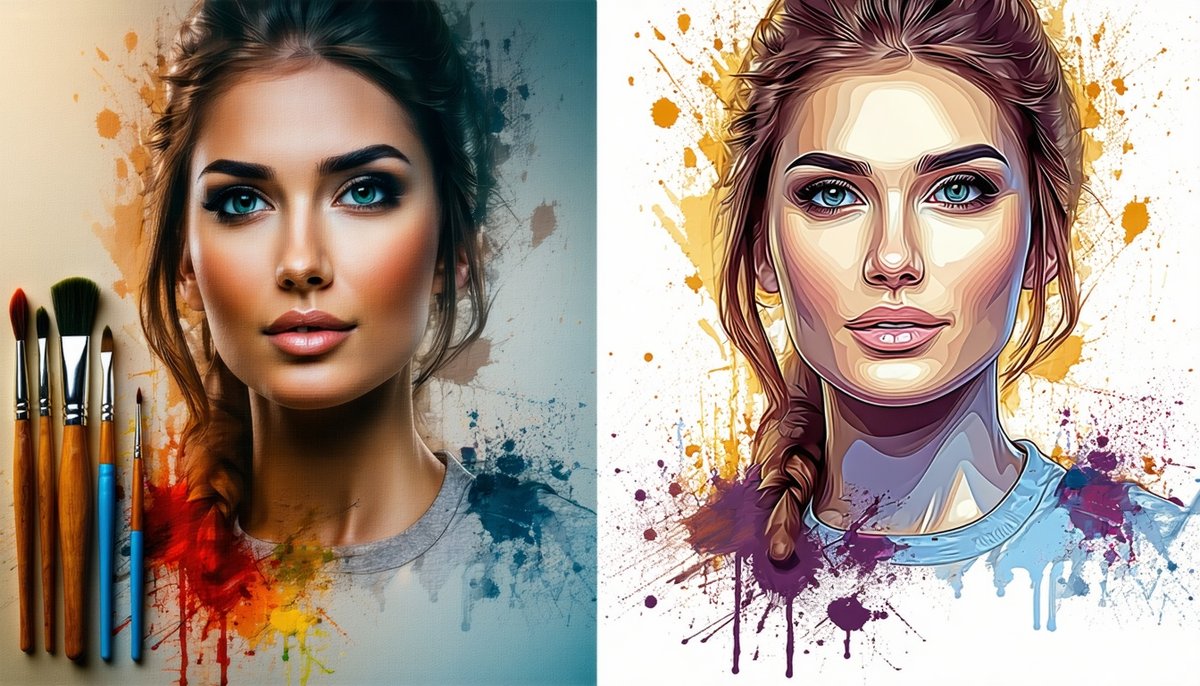
If you’ve ever thought about creating a portrait painting from photograph references, you know how special it can be to capture a cherished moment on canvas. Whether you’re honoring a beloved pet, immortalizing a family milestone, or designing a showstopper for your living room, these 11 rules will guide you toward a painting that truly looks like the person or pet you love.
1. Pick the best photo
You want a reference that clearly shows the subject’s features. Blurry pictures will only create guesswork. Select a photo with high resolution, good contrast, and clear facial details, so the painting feels lifelike from the start.
2. Prioritize great lighting
Bright, balanced lighting is key. Aim for a photo where the subject’s face is evenly lit without harsh shadows. If you’re working from a dimly lit picture, you may lose important details that help the painter capture a spot-on likeness.
3. Focus on the eyes
The eyes tell the story of your subject’s personality. Make sure they’re visible, bright, and expressive in your photo. Painters often spend extra time on this area, because a convincing eye can make the entire portrait pop.
4. Consider composition
Look for a balanced layout in your reference photo. Try to avoid cropping off parts of the head or having too much empty space around the person’s face. A well-composed image helps your portrait artist highlight the subject naturally.
5. Keep the background simple
If you can, avoid busy backgrounds. A cluttered photo can distract from the subject’s face. Even if your painting can be refined by the artist, a simple background makes the overall process smoother and the final piece more elegant.
6. Match the painting style to your taste
Before painting begins, decide if you want realism, impressionism, or a looser, painterly style. Communicating your preference early ensures the final work aligns with your vision and complements your home’s decor.
7. Note color temperatures
Warm or cool tones in your photo can dramatically influence the mood. Do you want natural daylight vibes or a cozy, soft glow? Let your artist know which color palette you prefer to capture the emotional essence of the scene.
8. Watch the scale and proportions
A slightly off angle can sometimes warp facial features. If your photo is taken too close or from a low vantage point, consider providing multiple references. This helps the painter keep everything in proportion, particularly in tricky areas like the nose or chin.
9. Look for signature expressions
A true likeness isn’t just about looking the same, it’s also about capturing personality. The perfect reference photo might feature your grandma’s warm grin or your dog’s quirky head tilt. If you’re focusing on pets, check out our pet portrait artist tips for capturing that unique spark.
10. Communicate any special requests
Maybe you want to adjust the background color, combine two different reference photos, or add a beloved detail like a wedding ring. Share these ideas up front. A painter can work wonders if they know exactly what matters most to you.
11. Trust the finishing touches
Finally, let your painter refine the image during those last crucial strokes. Subtle shading, highlights, and details pull it all together. Trust their expertise in blending that final layer, so your painting glows with authenticity and heart.
You’re all set to transform a favorite snapshot into a lasting keepsake. By choosing a clear, well-lit photo and sharing your vision from the start, you’ll be well on your way to getting a portrait that feels alive every time you look at it. If you’re capturing a memory of someone dear or celebrating a pet’s unique spirit, these guidelines ensure you’ll come away with a painting that’s truly worth treasuring.