



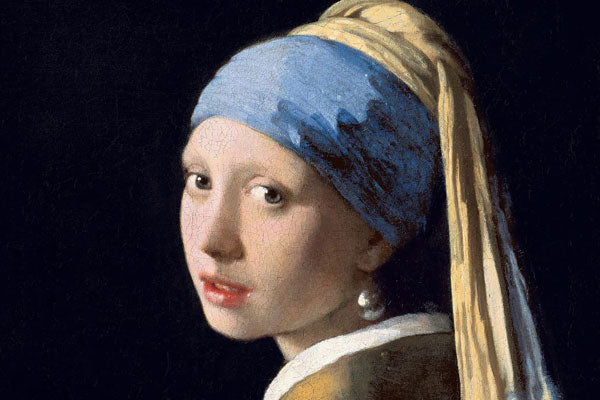
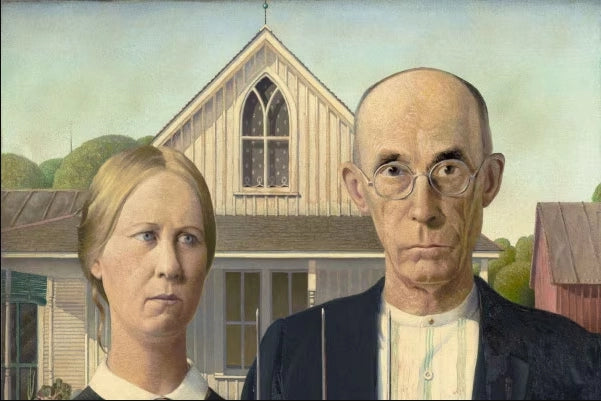
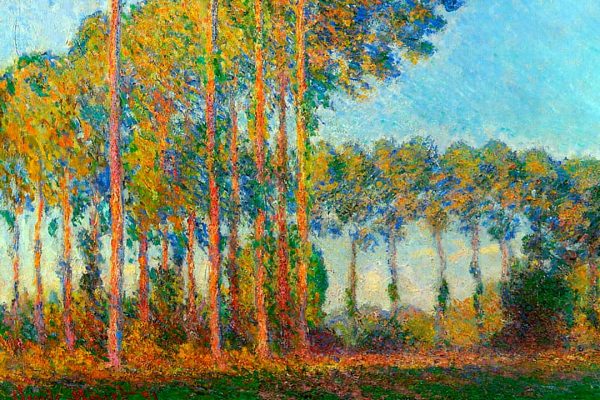
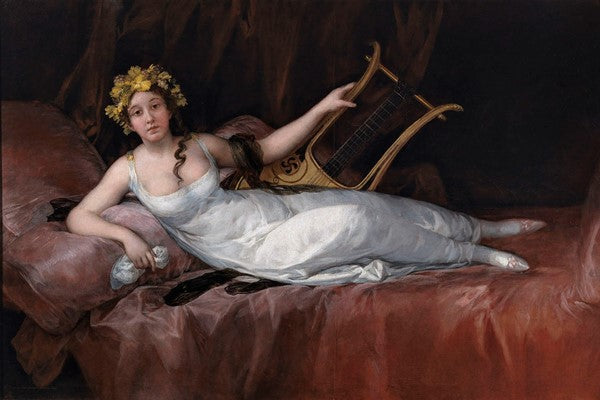
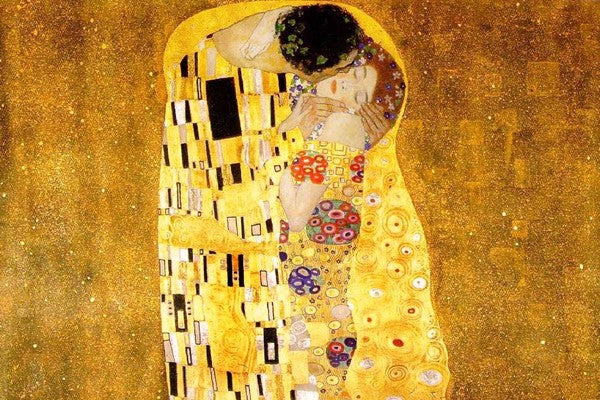
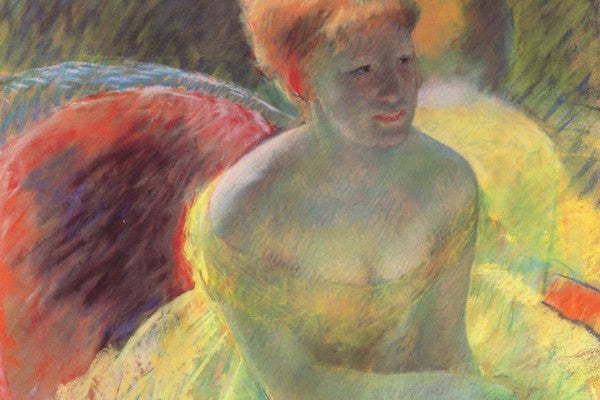


The art world is full of inspiration, and many artists imitate and learn by copying another artist’s work. Whether it’s an art student practicing a famous painting, a professional artist creating a fine art reproduction, or someone trying to sell the painting, the question remains: Are you allowed to replicate an artwork?
Surprise a loved one with a stunning oil painting reproduction—a timeless gift that lasts a lifetime. Order now!
The answer depends on several factors, including copyright laws, whether the original artwork is protected by copyright, and if you have permission from the original artist. Let’s explore the legality of copying another artist’s work and what is considered absolutely legal vs. copyright infringement.
Understanding Copyright and Its Role in Art

What Is Copyright and How Does It Protect Artists?
Copyright protection exists to ensure that the original artist has control over how their artwork is used, copied, or sold. The moment an artist creates a piece of art, it is covered by copyright, meaning no one can copy something from it or sell the painting without permission.
However, this does not mean all forms of copying another artist’s work are breaking copyright laws. There are cases where replication is legal, especially when learning or working with public domain pieces.
When Is It Legal to Copy Another Artist’s Work?
1. Copying Public Domain Artworks
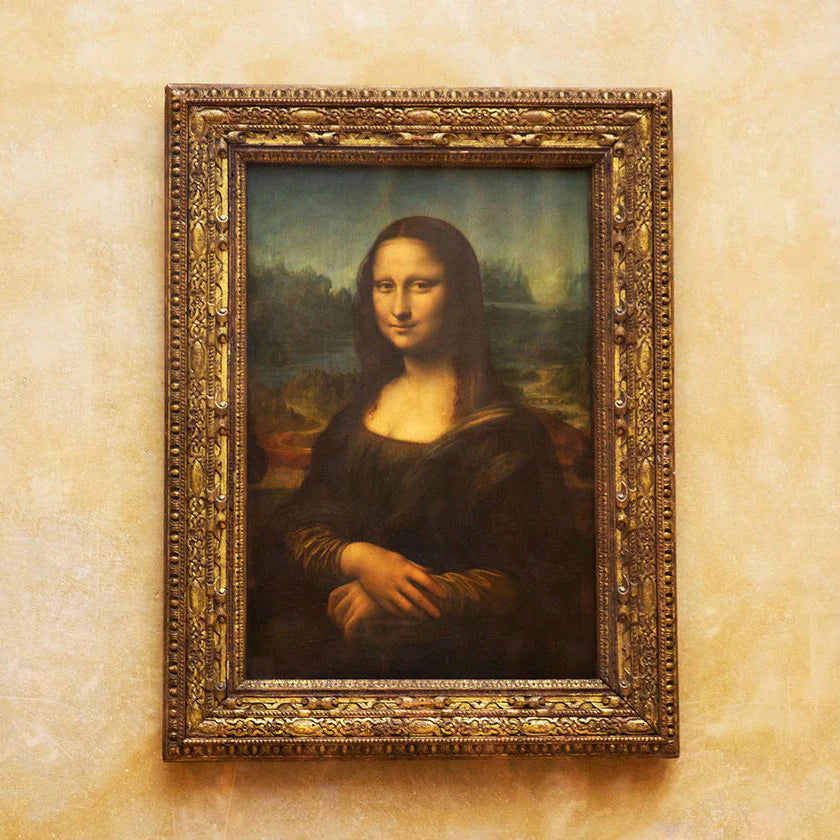
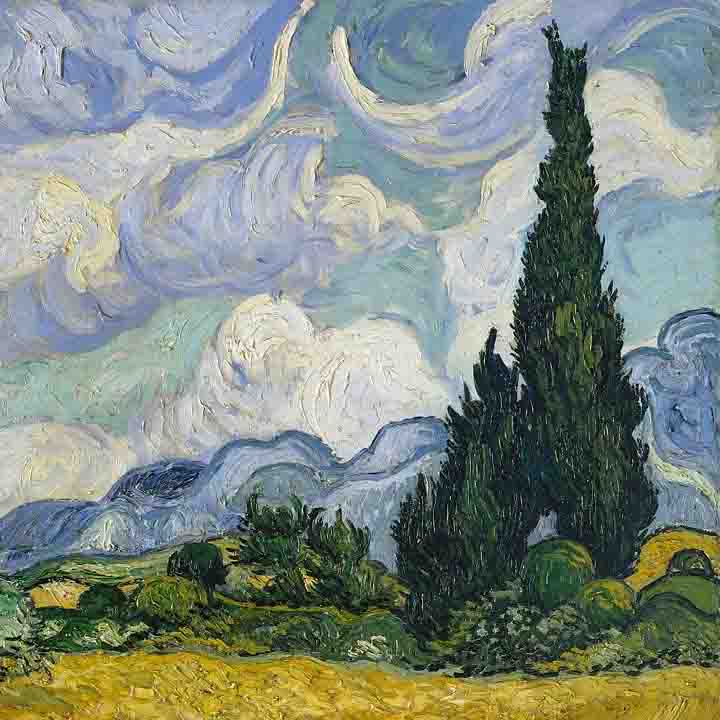
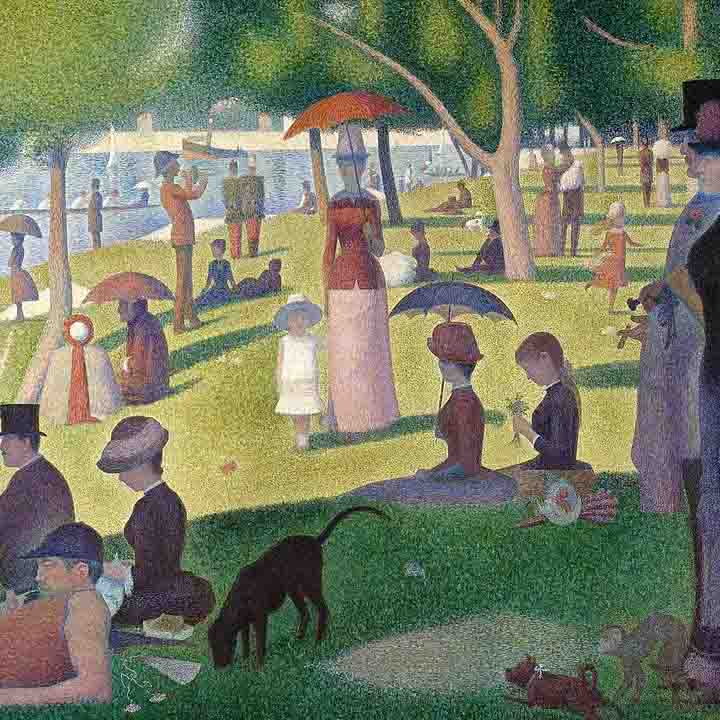
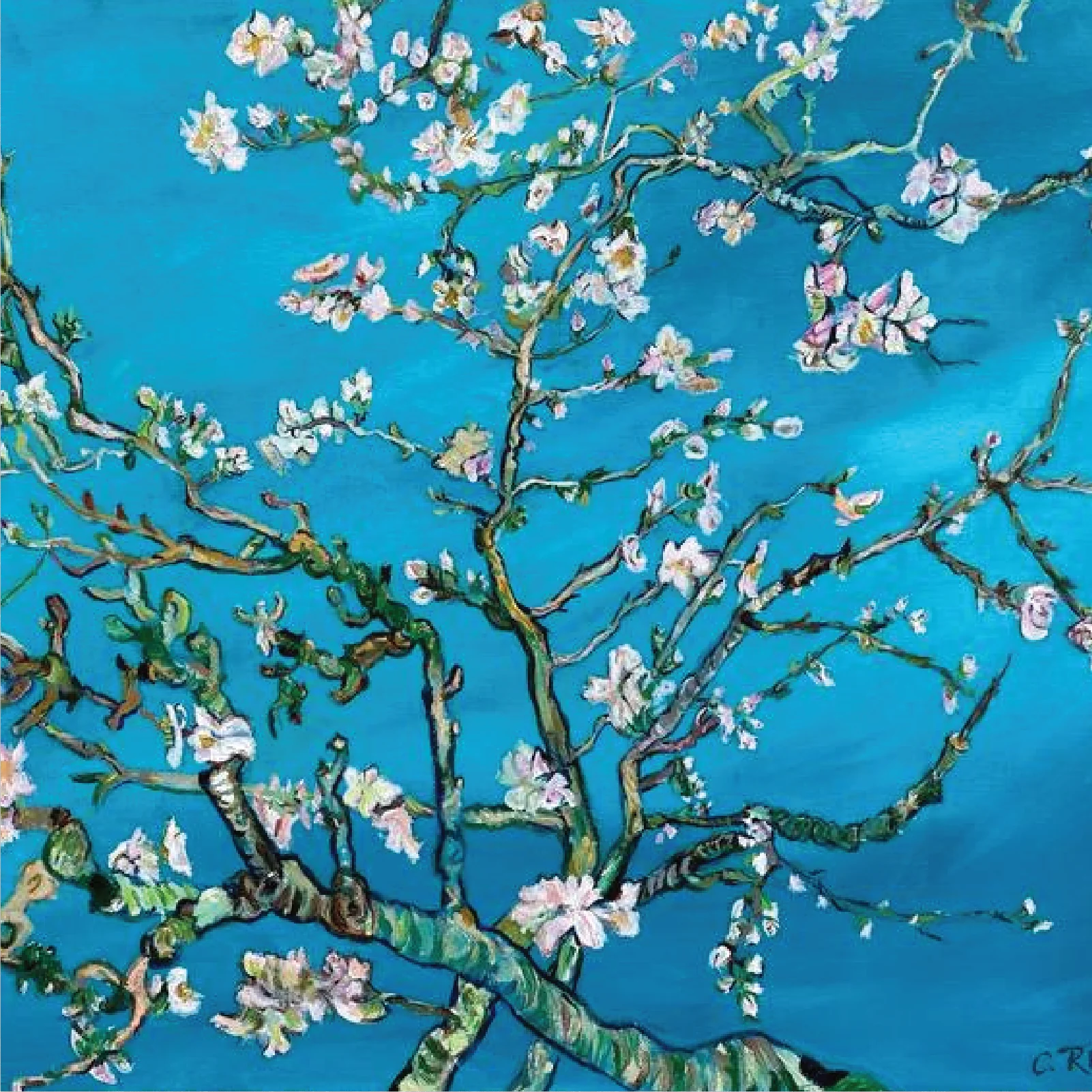
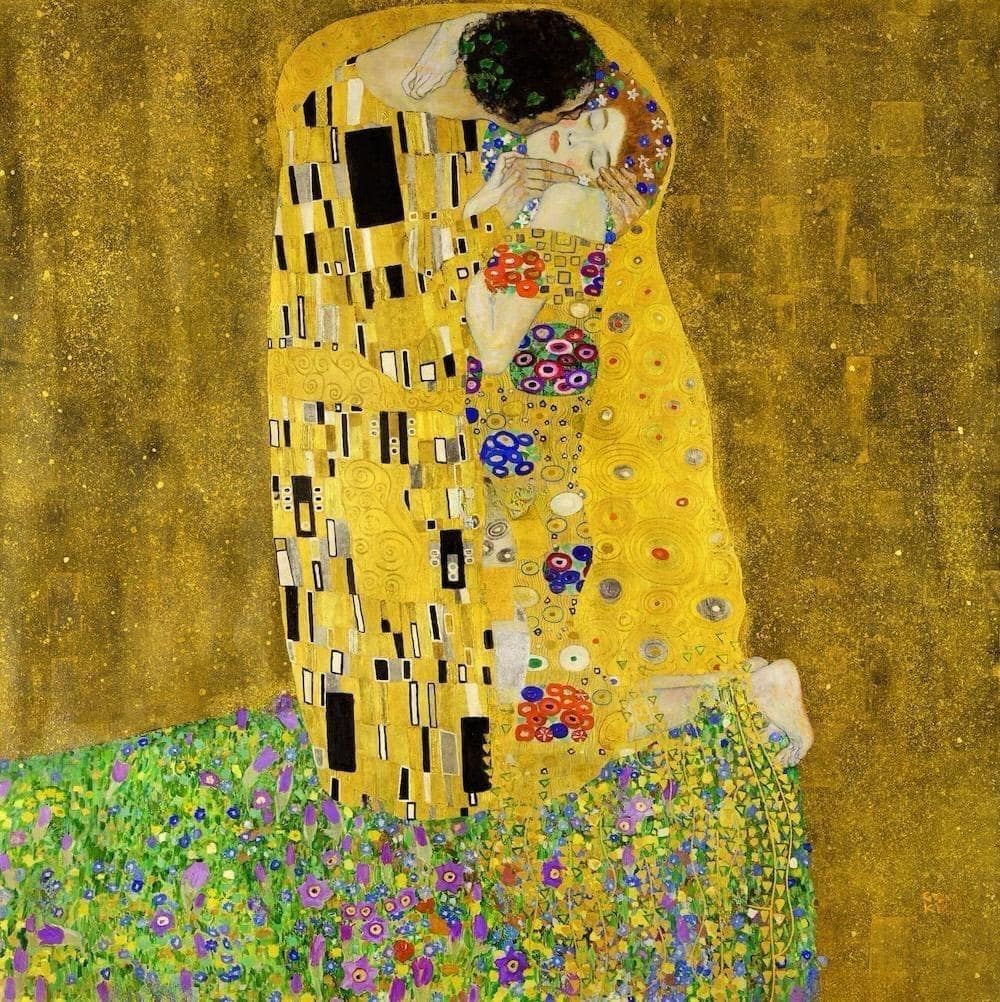
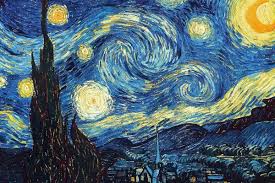
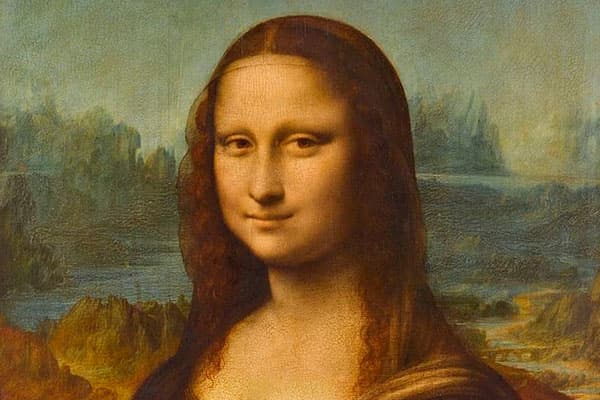
A famous painting like Mona Lisa or Starry Night is no longer protected by copyright because it was created plus 70 years ago. This means:
✅ It is absolutely legal to copy the original and even sell the painting.
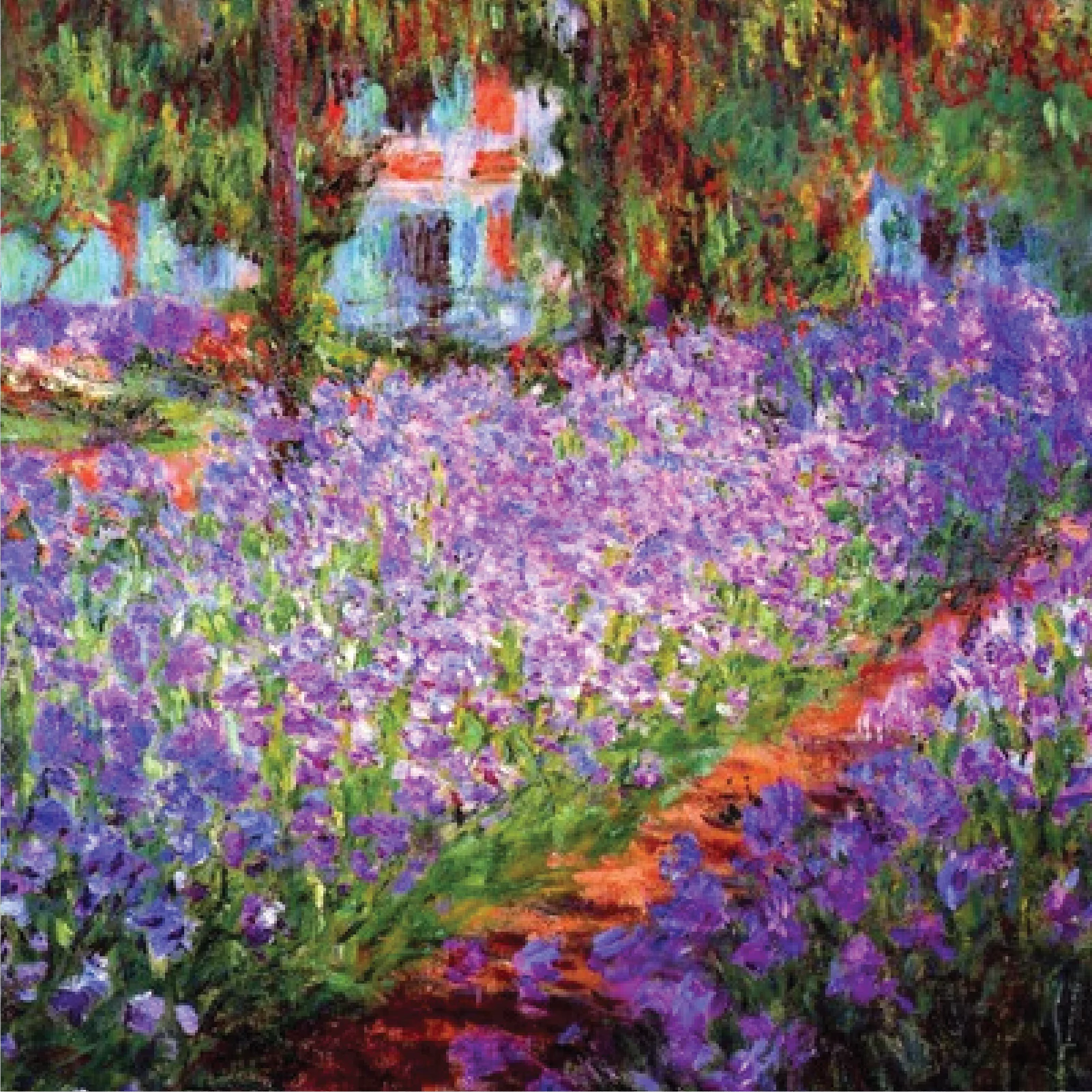
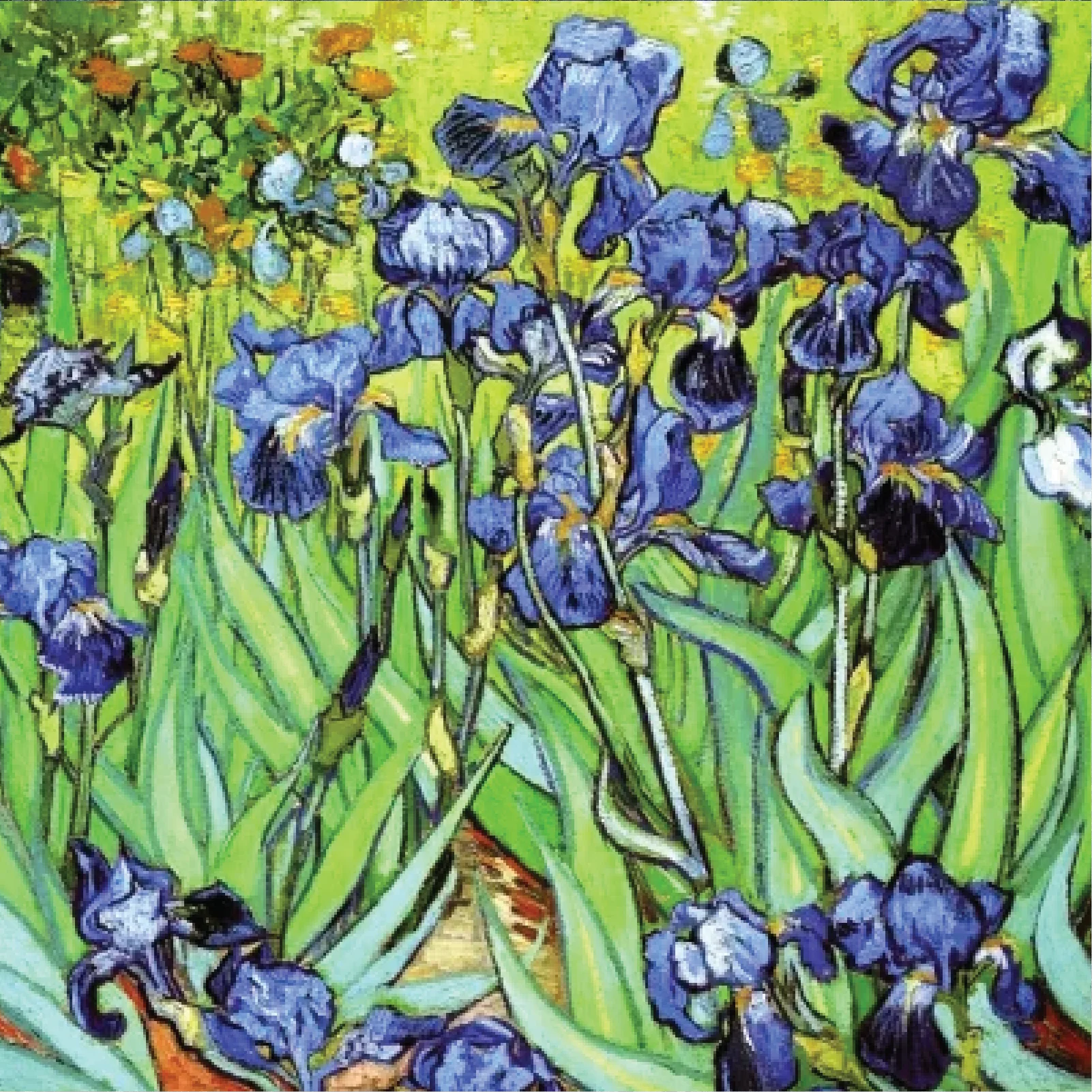
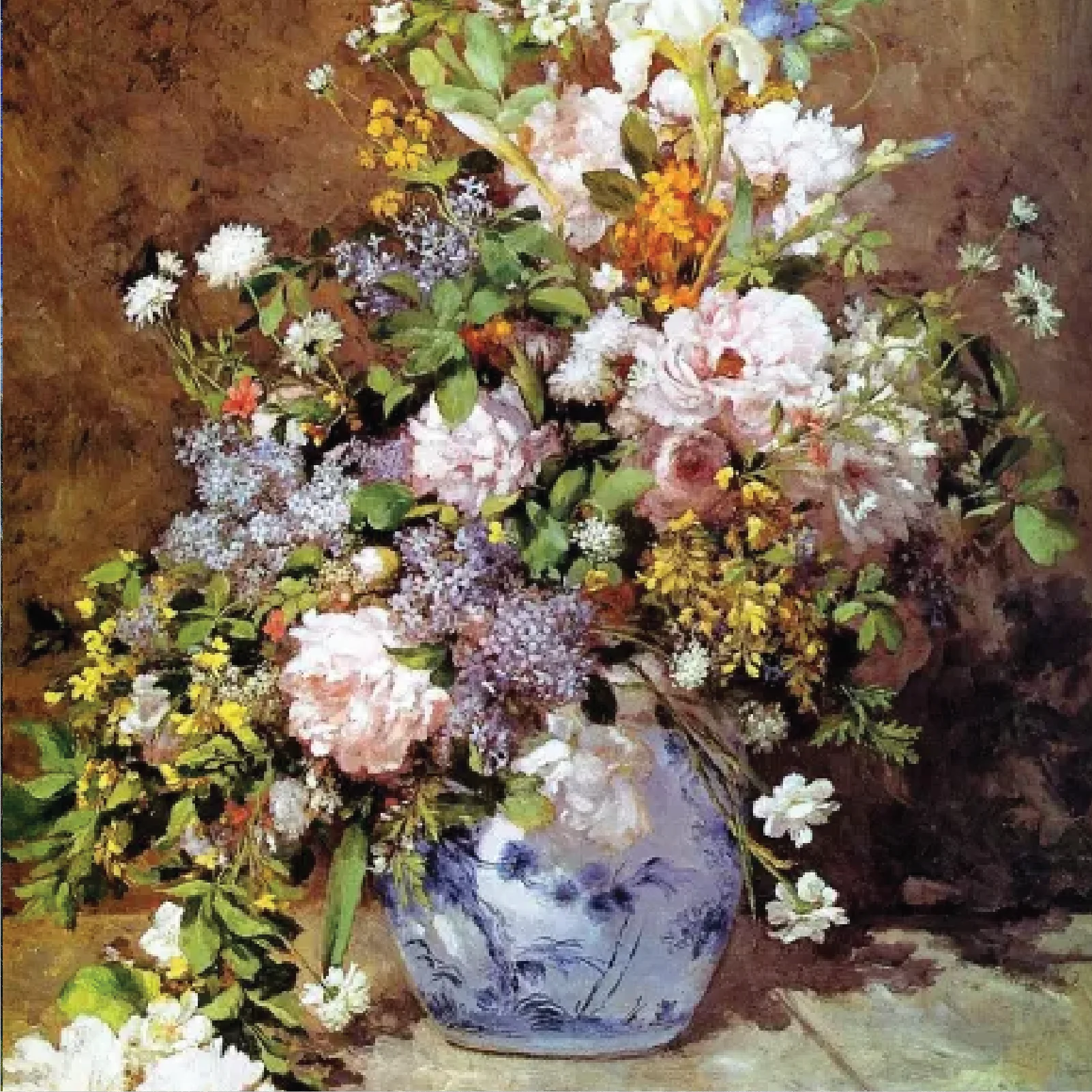
✅ Many artists create fine art reproductions of these existing works and sell them in galleries.
✅ Art schools use public domain works to help students learn how to draw.
💡 Key Rule: If a work becomes public domain, you have the right to copy it without permission.
2. Copying as a Learning Tool
Art students and beginners often copy someone else’s work as a way to learn. This is encouraged in art schools, where students copy their work to understand techniques.
✅ It’s another matter if you are copying to play and learn rather than trying to sell the painting.
✅ Especially when you’re a beginner, this practice can help you develop your skills.
✅ However, always give credit to the original artist and avoid presenting it as your own.
💡 Key Rule: You’re copying for education, not for profit.
3. Making a Derivative Work
A derivative work is when an artist creates something new that is inspired by an original painting but not an exact replica.
✅ If you paint in the style of a famous artist, but it’s not a line-for-line copy of someone else’s, it can be considered a new work.
✅ Many modern artists copy another painter’s technique to develop their own style.
🚫 However, if the original work is still covered by copyright, you may need written permission from the copyright holder before using it commercially.
💡 Key Rule: Copying to steal and combine existing ideas is not legal, but learning from different sources is encouraged.
When Is Copying Artwork Illegal?

1. Copying Copyrighted Art Without Permission
If a painting was created less than 70 years ago, it is still protected by copyright. This means:
🚫 Selling copies of a copyrighted work without permission is illegal.
🚫 If you copy of someone else’s work exactly, you may face legal action for copyright infringement.
🚫 Even if you credit the original artist, you may still need permission to use their artwork commercially.
💡 Key Rule: Always ask permission before using copyrighted works.
2. Copying Another Artist’s Work and Selling It
If you made a copy of a protected by copyright painting and try to work and sell it, you are violating the copyright laws.
🚫 Without permission, you can’t paint something identical and sell it as a piece of artwork.
🚫 If you copy something exactly like the original, it may be considered plagiarism or forgery.
🚫 Media like paintings, drawings, and digital works are all protected under intellectual property laws.
💡 Key Rule: If you want to sell replicas, you must have permission from the copyright holder.
3. Copying to Deceive or Pass Off as an Original
Some artists create copied art and sells the copies as if they are the original painting. This is a serious offense in the art world.
🚫 Plagiarize or passing off someone else’s work as your own can lead to legal action.
🚫 Some forgers even fake the artist’s signature, which is considered fraud.
🚫 If an artist has a trademark on their style, copying it too closely can lead to legal trouble.
💡 Key Rule: Copying another artist’s work should never be done to mislead buyers.
ART&See: The Best Oil Painted Reproductions
At ART&See, we specialize in oil painted reproductions that honor the fine art tradition while respecting copyright laws. We focus on:
✅ Public domain masterpieces that are absolutely legal to replicate.
✅ Skilled artists who ensure that each reproduction captures the beauty of the original artwork.
✅ Offering high-quality famous art replicas that are legally created.
If you’re looking for fine art reproductions that respect the rights to use while maintaining the highest standards, ART&See is your go-to source!
How to Copy Artwork Legally: A Quick Guide
✅ If the work is in the public domain → You have the right to copy.
✅ If you’re learning or practicing → It’s okay to imitate and learn.
✅ If you plan to sell → Get permission from the copyright holder.
✅ If you create a derivative work → It must be significantly different from the original.
🚫 Never copy an artwork that is protected by copyright without permission.
🚫 Never sell a copied work as an original artwork.
🚫 Never claim credit for a copy of someone else’s creation.
Final Thoughts: Are You Allowed to Replicate an Artwork?
The legality of replicating an artwork depends on whether the original painting is in the public domain or still protected by copyright. If you are copying another artist’s work for learning or personal use, it is generally acceptable. However, if you plan to sell the painting or use it commercially, you must get permission or ensure the artwork is no longer covered by copyright.
Understanding the right to make and sell replicas is essential for any artist or collector. Whether you are an art student, a collector, or a professional painter, knowing when it is absolutely legal to copy something can help you navigate the world of fine art reproductions without risking copyright infringement.
Looking for a legal and high-quality art replica? Explore ART&See for the best oil painted reproductions that celebrate famous paintings while respecting artistic integrity!


